



What's Happening?
Dr. Workneh Gebeyehu, Executive Secretary of the Intergovernmental Authority on Development (IGAD), has made an urgent appeal to the United Nations Security Council. He called for global powers to support an inclusive, Sudanese-led political resolution
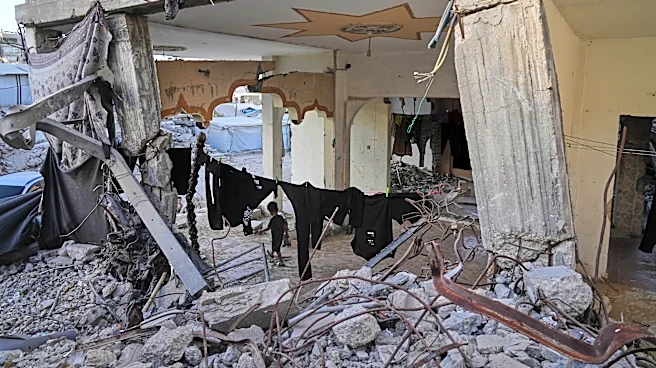
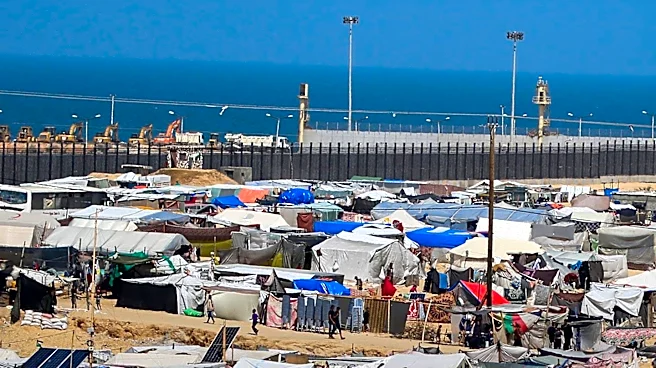
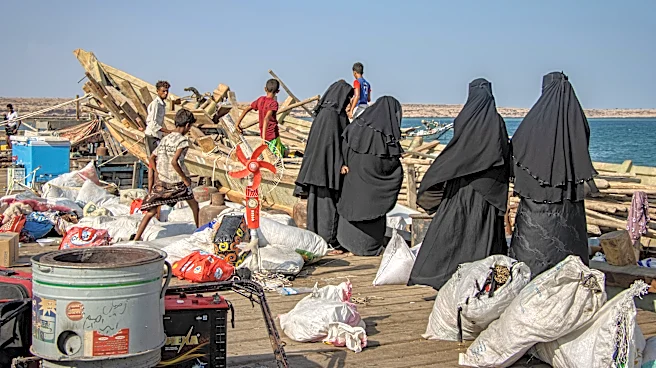
to end the devastating conflict in Sudan. Dr. Workneh emphasized that while international partners are crucial for enabling peace, the long-term sovereignty and nation-building of Sudan must rest with its citizens. He outlined three critical priorities: building united and coordinated diplomacy, guaranteeing unhindered humanitarian access for millions in need, and providing firm support for a civilian-led political process that protects Sudan's sovereignty, unity, and territorial integrity. The conflict, which began in April 2023 between the Sudanese Armed Forces (SAF) and the paramilitary Rapid Support Forces (RSF), has escalated into one of the world's worst humanitarian crises, displacing millions and triggering severe famine warnings. Despite numerous mediation attempts, diplomatic efforts have struggled against broken ceasefires and competing initiatives.
Why It's Important?
This appeal highlights the critical need for a unified international approach to the Sudanese conflict, which has resulted in widespread destruction and a severe humanitarian crisis. The emphasis on a Sudanese-led resolution is crucial for ensuring long-term stability and preventing external interventions from undermining national sovereignty. The conflict's impact on civilians is immense, with millions displaced internally and across borders, and severe famine warnings in effect. The lack of coordinated diplomatic efforts and persistent ceasefire violations have prolonged the suffering. Dr. Workneh's call for guaranteed humanitarian access is vital, as aid agencies struggle to reach those in need amidst ongoing hostilities. The conflict's regional implications are also significant, affecting neighboring countries and potentially destabilizing the broader Horn of Africa. A failure to achieve a lasting peace could lead to further fragmentation of Sudan, with severe consequences for regional security and humanitarian efforts.
What's Next?
The UN Security Council is expected to consider Dr. Workneh's appeal, potentially leading to renewed efforts to harmonize global diplomatic tracks for Sudan. The focus will be on ensuring that external efforts are coordinated and that Sudanese civil society and citizens are central to any lasting resolution. International partners will need to address the challenges of broken ceasefires and competing mediation initiatives. A key immediate step will be to secure unhindered humanitarian access to millions of people facing acute hunger and displacement. The international community will also need to provide firm support for a civilian-led political process, which is essential for protecting Sudan's sovereignty and territorial integrity. The ongoing conflict between the SAF and RSF suggests that achieving a comprehensive peace will require sustained diplomatic pressure and a commitment from all parties to engage in meaningful negotiations.
Beyond the Headlines
The Sudanese conflict, as highlighted by IGAD, is not merely a domestic struggle but a complex interplay of internal power dynamics and external influences. The call for a Sudanese-led process implicitly acknowledges the historical challenges of external interventions in African conflicts, which have often exacerbated rather than resolved issues. The emphasis on protecting Sudan's sovereignty, unity, and territorial integrity points to concerns about potential fragmentation and the emergence of rival territories, military economies, and competing centers of authority. This situation could mirror past instances where prolonged conflict led to the division of states, as seen with South Sudan. The humanitarian crisis, with its severe famine warnings and mass displacement, also raises ethical questions about the international community's responsibility to protect populations from atrocities and ensure accountability for human rights violations. The success of future peace efforts will depend on a genuine commitment to empowering Sudanese voices and ensuring that external support aligns with national aspirations for peace and stability.