



What's Happening?
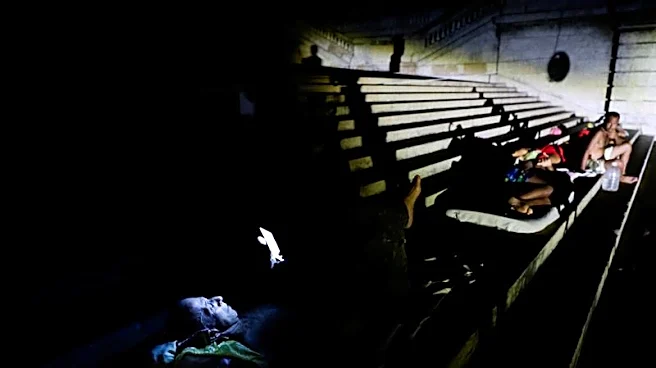
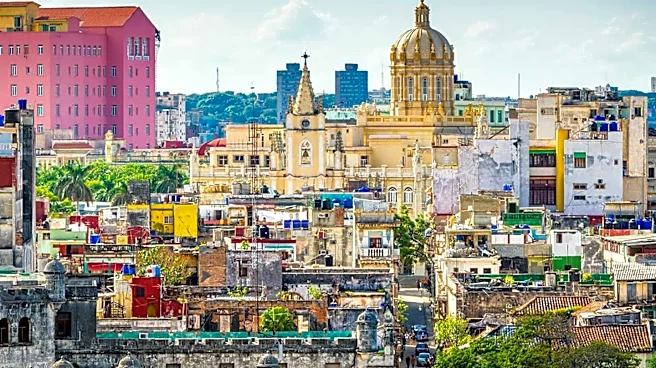
Cuba's electricity grid collapsed, plunging the island into darkness and affecting approximately 10 million people. This blackout follows three nationwide outages in July and is attributed to severe fuel shortages and U.S. sanctions. The Union Electrica
de Cuba, the state-owned grid operator, has not provided further details on the situation. The power crisis coincides with Cuba's cautious opening of its energy sector, allowing foreign-backed fuel import ventures and enabling nearly 200 Cuban businesses to participate in wholesale fuel distribution. The island's energy infrastructure is under significant strain as it struggles to secure fuel imports, having lost a key supplier in Venezuela due to U.S. sanctions.
Why It's Important?
The collapse of Cuba's electric grid highlights the severe impact of fuel shortages and international sanctions on the country's energy infrastructure. The frequent blackouts disrupt daily life and economic activities, exacerbating the humanitarian crisis on the island. The situation underscores the challenges faced by countries heavily reliant on external energy sources and the potential consequences of geopolitical tensions. The opening of Cuba's energy sector to foreign investment may provide some relief, but the long-term sustainability of these measures remains uncertain.
What's Next?
Cuba may need to accelerate its efforts to diversify energy sources and reduce dependency on foreign oil imports. The government could explore renewable energy options or negotiate with international partners to secure more stable fuel supplies. The ongoing power crisis may also prompt further reforms in Cuba's energy sector, potentially leading to increased foreign investment and collaboration. However, the effectiveness of these measures will depend on the resolution of geopolitical tensions and the lifting of sanctions.
Beyond the Headlines
The power crisis in Cuba raises broader questions about energy security and the role of international sanctions in exacerbating humanitarian issues. The situation highlights the need for a balanced approach to sanctions that considers the potential impact on civilian populations. It also underscores the importance of investing in resilient and sustainable energy infrastructure to mitigate the effects of geopolitical conflicts and ensure stable energy supplies.