





What's Happening?
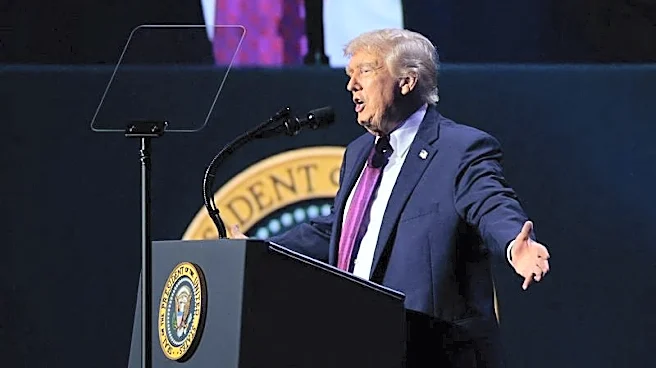
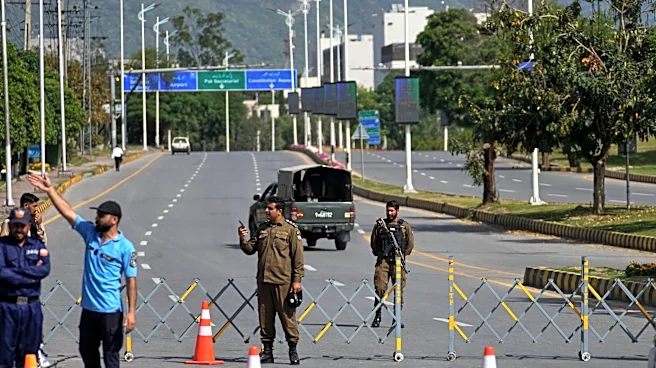
Iran has not yet confirmed its participation in upcoming talks with the United States, despite preparations in Pakistan. U.S. officials have expressed concerns that President Trump's public approach to negotiations, involving media statements and appearances,
is complicating the process. This method is seen as damaging due to the sensitive nature of the talks and Iran's mistrust of Washington. Iranian leaders are wary of appearing weak domestically, and there is a perception that Trump's media tactics make it seem as though Iran has agreed to terms that are unpopular at home. While logistical arrangements are underway, Iran has not officially committed to the talks. Iranian Parliament Speaker Mohammad Bagher Ghalibaf has stated that Iran will not negotiate under threats, and there are internal divisions within Iran that complicate the situation further.
Why It's Important?
The hesitation from Iran and the criticism of President Trump's negotiation style highlight the fragile nature of international diplomacy, especially concerning sensitive issues like nuclear agreements. The outcome of these talks could significantly impact U.S.-Iran relations and the broader geopolitical landscape in the Middle East. A successful negotiation could lead to a reduction in tensions and potentially lift economic sanctions on Iran, affecting global oil markets and regional stability. Conversely, failure to reach an agreement could escalate tensions, leading to further economic and military confrontations. The situation underscores the importance of diplomatic tact and the potential consequences of public negotiation strategies.
What's Next?
If the current ceasefire is not extended, it is set to expire soon, adding urgency to the negotiations. The U.S. delegation, including Vice President JD Vance, is expected to participate in the talks. However, conflicting messages from both sides and internal divisions within Iran pose challenges to reaching a consensus. The U.S. is reportedly considering unfreezing Iranian assets as part of a potential agreement, but significant gaps remain, particularly regarding uranium enrichment terms. The international community will be closely watching the developments, as the outcome could have far-reaching implications for regional and global security.