








What's Happening?
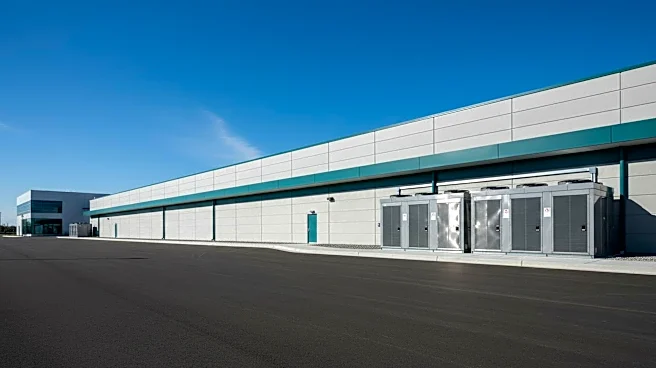
In Lowell, Massachusetts, the presence of a data center operated by the Markley Group has become a focal point of community concern as a heat wave exacerbates environmental and health issues. Residents, including Eileen Castle, have expressed worries
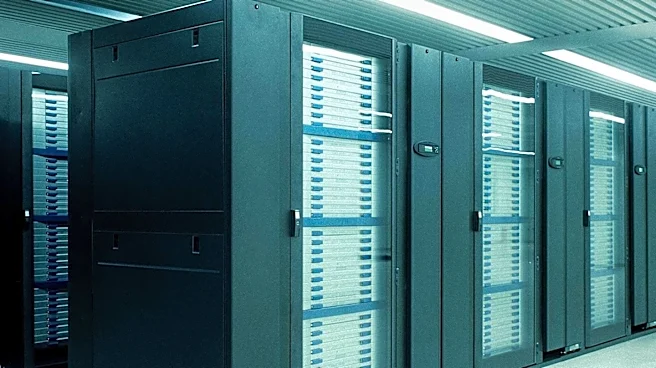
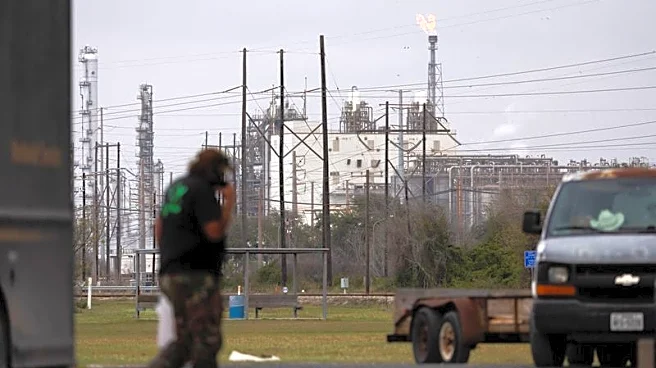
about air quality and the impact on local children due to the data center's industrial air conditioners and backup diesel generators. The facility, which uses significant water resources for cooling, is situated in a racially diverse neighborhood already designated as facing higher environmental risks. The data center's operations have drawn criticism for contributing to local pollution and straining power grids, especially during extreme heat. The city council has responded by imposing a one-year moratorium on further data center expansion.
Why It's Important?
The situation in Lowell highlights the broader challenges posed by the rapid expansion of data centers, driven by the artificial intelligence industry's growth. These facilities are increasingly seen as environmental liabilities, particularly in communities with limited political influence. The reliance on diesel generators during power grid stress can worsen air quality, posing health risks. This issue underscores the need for sustainable practices in tech infrastructure development. The tension between economic benefits and environmental costs is a microcosm of the national debate on balancing technological advancement with community welfare.
What's Next?
The moratorium on data center expansion in Lowell provides a temporary pause for stakeholders to address environmental and community concerns. Future discussions may focus on implementing stricter regulations on emissions and resource usage. The tech industry might explore alternative cooling technologies to reduce environmental impact. Community forums and city council meetings will likely continue to be arenas for debate, with potential policy changes aimed at mitigating the negative effects of data centers on local environments.
Beyond the Headlines
The Lowell case reflects a growing awareness of the environmental footprint of digital infrastructure. As data centers proliferate, they may face increased scrutiny from environmental groups and policymakers. This could lead to a push for greener technologies and more equitable distribution of tech industry benefits. The situation also raises questions about the role of local governance in regulating industries that have significant environmental impacts, especially in historically marginalized communities.