




What's Happening?
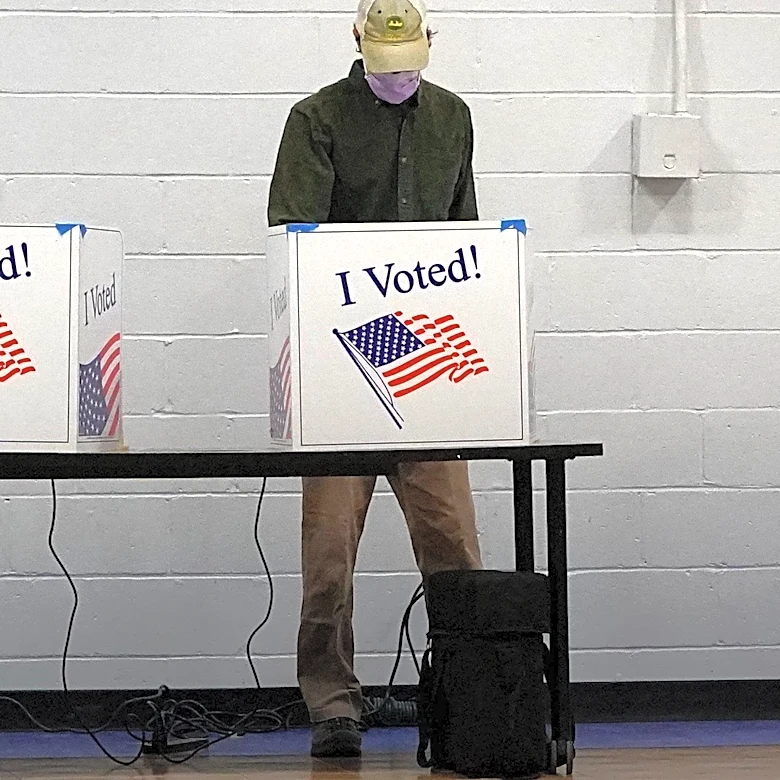
Michigan election officials are working to prevent a recurrence of the Qualified Voter File (QVF) slowdowns experienced during the August primary election, as they prepare for the 2026 midterm election. During the primary, the state's voter database significantly
slowed, making it difficult to process absentee ballots and register new voters for periods ranging from 30 to 60 minutes. The Department of Technology, Management & Budget (DTMB), which hosts the QVF, attributed the issue to insufficient system resources and unanticipated time consumption by certain system processes. To address this, the state has added resources to increase system capacity and implemented additional monitoring. Sterling Heights Clerk Melanie Ryska expressed reassurance from state officials that the slowdowns will be a 'non-issue' for the upcoming election.
Why It's Important?
The reliability of the Qualified Voter File is critical for the integrity and efficiency of Michigan's electoral process. Slowdowns can disenfranchise voters, create long lines, and undermine public confidence in election administration. With a midterm election expected to have record-high turnout, ensuring a smooth voting experience is paramount. The state's proactive measures to upgrade system capacity and monitoring are vital to prevent operational disruptions. The concerns raised by the Michigan Association of Municipal Clerks about potential in-person voting surges due to U.S. Postal Service reliability fears highlight the complex challenges election officials face in anticipating voter behavior and ensuring adequate system resilience.
What's Next?
Michigan election officials will closely monitor the QVF's performance during the 2026 midterm election to ensure the implemented solutions are effective. Local clerks, including Sterling Heights Clerk Melanie Ryska, are preparing for various scenarios, including potential system slowdowns, despite assurances from the state. The experience from this election will likely inform future investments in election technology and infrastructure. Additionally, discussions may continue regarding voter education on absentee voting and in-person voting procedures to manage potential strains on the system. The outcome will be crucial for maintaining voter confidence and the smooth functioning of democratic processes in Michigan.
Beyond the Headlines
The challenges with the Qualified Voter File underscore the broader issue of technological infrastructure in government services and its impact on democratic participation. As elections become increasingly reliant on digital systems, the need for robust, scalable, and secure technology is paramount. This incident highlights the tension between the convenience of digital processes and the potential for system failures to disrupt fundamental rights. It also brings to light the dedication and adaptability of local election officials, who often operate under pressure to ensure fair and accessible elections despite technical hurdles. The ongoing efforts to improve the QVF reflect a continuous struggle to modernize election systems while safeguarding against unforeseen technical glitches and external pressures.