




What's Happening?
Colorado U.S. Senator Michael Bennet and U.S. Representative Jared Huffman, alongside Senator John Hickenlooper and other Democratic colleagues, are actively opposing the Bureau of Land Management's (BLM) proposed rescission of two significant oil and gas
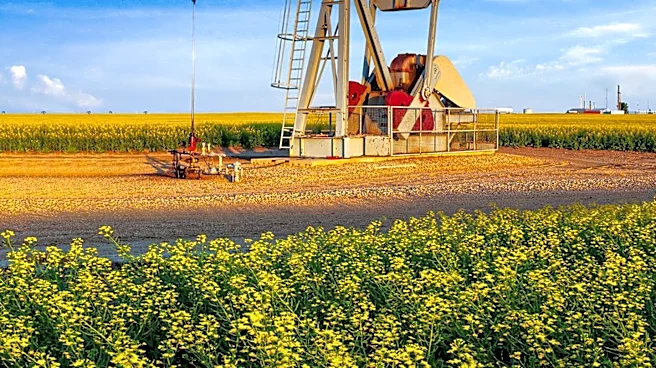
rules: the 2024 Fluid Mineral Leases and Leasing Process rule (2024 Onshore Leasing Rule) and the 2024 Waste Prevention, Production Subject to Royalties, and Resource Conservation rule (2024 Waste Prevention Rule). The lawmakers argue that overturning these rules would negatively impact public lands, diminish community involvement in decision-making, increase pollution, and raise costs for taxpayers. The 2024 Onshore Leasing Rule aimed to incorporate concerns from states, Tribes, and local communities, correcting past policies that prioritized oil and gas development and led to abandoned wells becoming taxpayer burdens. The 2024 Waste Prevention Rule sought to reduce pollution on public lands, maintain domestic energy supply, and protect communities from health risks associated with wasted natural gas. Senator Bennet has been a long-time advocate for reforms in oil and gas development on federal lands, pushing for more fiscal responsibility and public responsiveness.
Why It's Important?
The potential rescission of these BLM rules carries significant implications for environmental protection, public land management, and economic responsibility in the U.S. If the 2024 Onshore Leasing Rule is overturned, it could revert to policies that favor oil and gas development over other land uses, potentially leading to more abandoned wells and shifting cleanup liabilities back to taxpayers. This would undermine efforts to ensure multi-use management of public lands and protect cultural resources and rural communities. The rollback of the 2024 Waste Prevention Rule could result in increased pollution from oil and gas operations on public lands, posing health risks to nearby communities and leading to the waste of publicly owned natural gas. This waste would translate into tens of millions in lost revenue for Americans. The efforts by Senators Bennet and Hickenlooper highlight a broader political and environmental debate over the balance between energy development and conservation, with potential long-term effects on the nation's natural resources and fiscal health.
What's Next?
The lawmakers are urging the BLM to reconsider its proposal to rescind both the 2024 Onshore Leasing Rule and the 2024 Waste Prevention Rule. They have sent letters outlining their concerns regarding oil and gas bonding requirements, public participation, Tribal consultation, landowner involvement, and leasing preference criteria. The outcome of this advocacy will determine whether the current administration proceeds with the rollback of these regulations or maintains them. Stakeholders, including environmental groups, industry representatives, and local communities, will likely continue to monitor and engage in this debate. The decision will set a precedent for future federal land management policies and could influence the trajectory of environmental regulations concerning oil and gas production across the U.S. The ongoing push by Senator Bennet and his colleagues suggests continued legislative and public pressure to uphold and strengthen environmental protections.
Beyond the Headlines
The debate surrounding the rescission of these BLM rules extends beyond immediate environmental and economic impacts, touching upon fundamental questions of governance and public trust. The 2024 Onshore Leasing Rule's emphasis on community and Tribal input reflects a growing recognition of the need for inclusive decision-making in public land management, moving away from historical practices that often marginalized local voices. The potential reversal could signal a shift back towards a more centralized, industry-favored approach, potentially eroding trust between federal agencies and affected communities. Furthermore, the waste prevention rule highlights the ethical dimension of resource stewardship, questioning whether the nation is maximizing the value of its natural resources for the public good or allowing for avoidable losses and environmental degradation. This situation underscores the ongoing tension between economic development and environmental conservation, and how these policies shape the long-term health and sustainability of U.S. public lands.