




What's Happening?
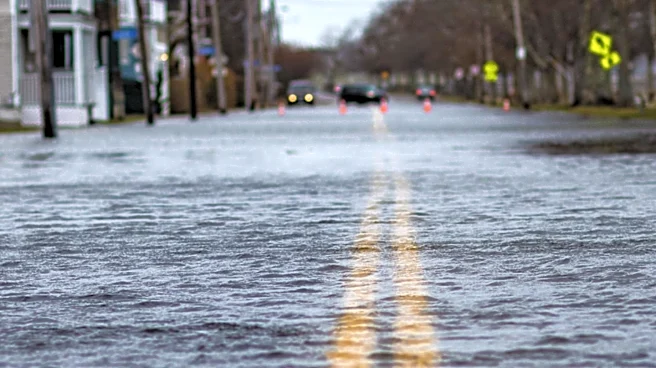
The City of Folly Beach has announced the completion of its Center Street Stormwater Infrastructure Improvements Project, a significant undertaking aimed at reducing flooding in the area. A ribbon-cutting ceremony is scheduled for Thursday at 3 p.m. at the intersection
of Cooper and Center streets to celebrate this milestone. City officials describe the project as a substantial investment in stormwater infrastructure and long-term resilience planning. The improvements are specifically designed to address existing drainage and flooding concerns, while simultaneously increasing the capacity and longevity of the city’s stormwater system, making it more resilient against future weather events. In addition to subsurface upgrades, the project incorporates green infrastructure elements and streetscape enhancements to improve the aesthetic and functional aspects of Center Street. This includes the installation of pervious paved parallel parking spaces on adjacent side streets, which are designed to allow more rainwater to infiltrate the ground, thereby reducing runoff.
Why It's Important?
This project is important for Folly Beach as it directly addresses a critical issue of urban flooding, which can have significant economic and social impacts on coastal communities. By enhancing stormwater infrastructure and integrating green infrastructure solutions, the city is taking proactive steps to protect properties, businesses, and public safety from the increasing risks associated with heavy rainfall and rising sea levels. The inclusion of pervious paving demonstrates a commitment to sustainable urban development, promoting natural water absorption and reducing the burden on traditional drainage systems. This approach can lead to improved water quality by filtering pollutants before they enter natural waterways. For residents and businesses, reduced flooding means less disruption, lower potential for property damage, and a more stable environment for economic activity. The project also serves as a model for other coastal communities grappling with similar challenges, highlighting the benefits of combining traditional engineering with ecological design principles for long-term resilience.
What's Next?
Following the ribbon-cutting ceremony, Center Street will be officially reopened, allowing for full public access and utilization of the newly improved infrastructure. The city anticipates that the completed project will immediately begin to alleviate flooding issues, particularly during significant rain events. The integration of green infrastructure elements, such as pervious parking spaces, will continue to provide environmental benefits by promoting groundwater recharge and reducing stormwater runoff. The success of this project may encourage Folly Beach and other municipalities to pursue similar integrated approaches to infrastructure development, combining flood mitigation with environmental sustainability. Ongoing monitoring of the system's performance, especially during adverse weather conditions, will be crucial to assess its effectiveness and inform future resilience planning efforts. The city will likely continue to engage with residents and businesses to ensure the long-term benefits of these improvements are realized and maintained.
Beyond the Headlines
The completion of the Center Street Stormwater Project in Folly Beach signifies a broader shift in how coastal communities are approaching infrastructure development in the face of climate change. Beyond the immediate benefits of flood reduction, the incorporation of green infrastructure reflects a growing recognition of the value of nature-based solutions. This approach moves beyond simply managing water to actively working with natural processes to create more resilient and livable urban environments. The project's emphasis on both functionality and aesthetics, through streetscape improvements, suggests an understanding that infrastructure can contribute to the overall quality of life and economic vitality of a place. This integrated planning, which considers ecological, social, and economic factors, is crucial for long-term sustainability and adaptability in vulnerable coastal regions. It also highlights the potential for such projects to foster community engagement and pride in local environmental stewardship.