






What's Happening?
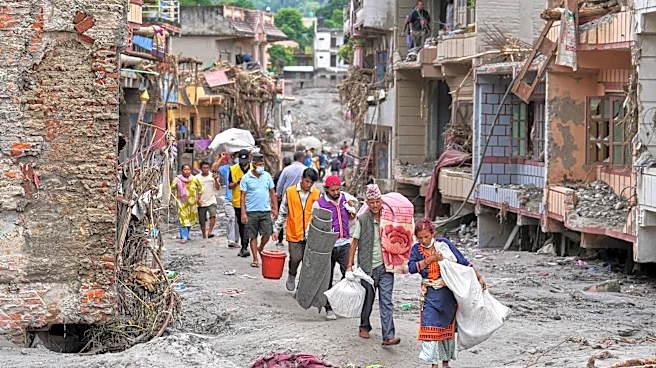
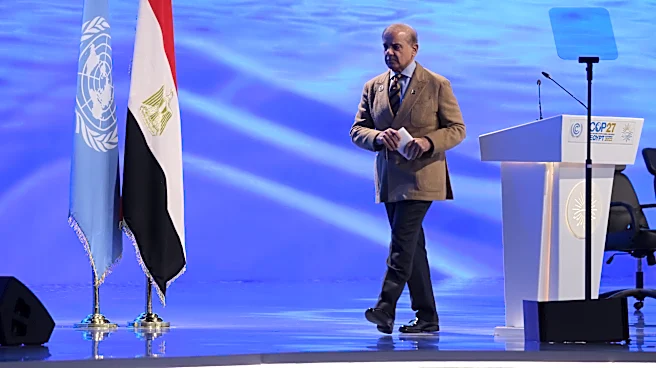
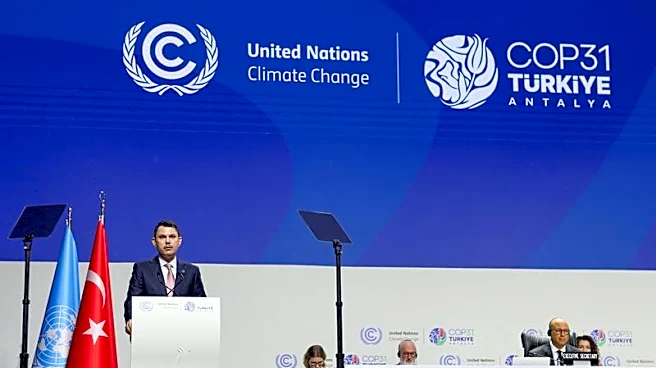
The UN Climate Change Conference (COP31) has commenced in Antalya, Turkey, amidst the severe impacts of a climate change-fueled Super El Niño, which is causing extreme weather events globally. Developing nations, particularly in Africa, are demanding
urgent action on climate finance, emphasizing that they are disproportionately affected by climate change despite having low per capita emissions. Nana Dr. Antwi-Boasiako Amoah, Chair of the Africa Group of Negotiators (AGN) on Climate Change, highlighted that African countries face crippling water shortages and other severe climate shocks while struggling with shrinking foreign aid. With global warming projected to reach 2.6°C, far exceeding the 1.5°C Paris Agreement goal, negotiators are focused on translating political commitments into operational reality, aiming for COP31 to be an 'Implementation COP'.
Why It's Important?
The opening of COP31 under the threat of a Super El Niño underscores the immediate and severe consequences of climate change, particularly for vulnerable developing nations. The demand for urgent climate finance reflects a critical need for resources to adapt to these impacts and transition to cleaner energy. The current financial models, which often require low- and middle-income countries to take on high-interest loans for clean energy infrastructure, are deemed unjust by the AGN. This financial burden exacerbates existing economic strains and hinders their ability to industrialize, create jobs, and expand energy access. Without equitable and accessible finance, the global energy transition risks deepening inequalities and failing to achieve its objectives, as climate action cannot succeed if funding models lead to national insolvency.
What's Next?
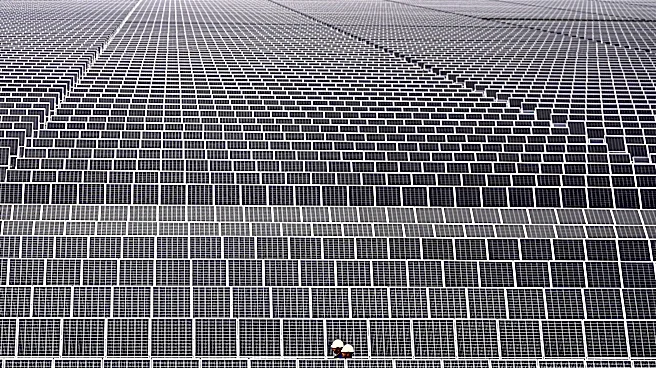
Negotiators at COP31 are focusing on structural overhauls to simplify and expedite the distribution of climate funds. Following agreements at COP29 to establish a goal of at least $300 billion annually for developing countries by 2035, the emphasis is now on speed and equity in finance distribution. COP31 President-Designate Murat Kurum introduced the Climate Implementation Bridge initiative to connect investors and technology providers directly with local mitigation and adaptation projects. A key proposal is the 35-by-35 Global Electrification Pledge, aiming to increase electricity's share of global final energy consumption to 35% by 2035 through expanded renewables and modernized grids. The conference will also work on operationalizing the Just Transition Mechanism and finalizing the Adaptation Fund transition to ensure finance reaches the hardest-hit communities.
Beyond the Headlines
The discussions at COP31 reveal a deeper struggle for climate justice, where developing nations are not only seeking financial aid but also advocating for a fundamental shift in the global economic and financial architecture. The concept of a 'just transition' for Africa extends beyond energy systems to encompass industrialization, job creation, and financial independence, challenging the notion that decarbonization should come at the expense of development. The call for accessible finance and equitable partnerships highlights the ethical dimensions of climate change, emphasizing that historical emitters bear a greater responsibility to support those who have contributed least to the crisis but suffer its most severe consequences. The outcome of COP31 could set precedents for how international cooperation addresses global inequalities in the context of climate action, potentially leading to more inclusive and sustainable development pathways.