
What's Happening?
Negotiations between the United States and Iran have commenced in Islamabad, aiming to address the ongoing conflict in the Middle East. The talks, as reported by Iranian media outlets Fars and Tasnim,
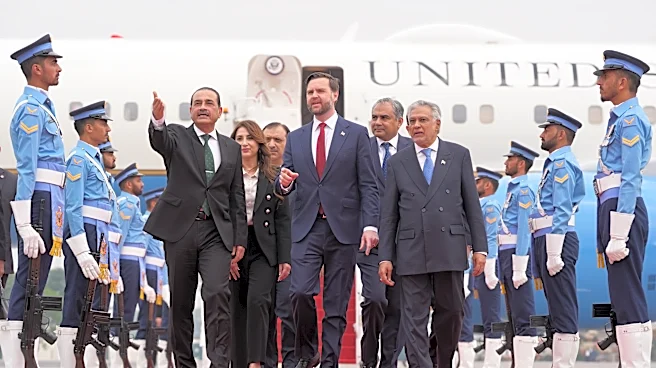
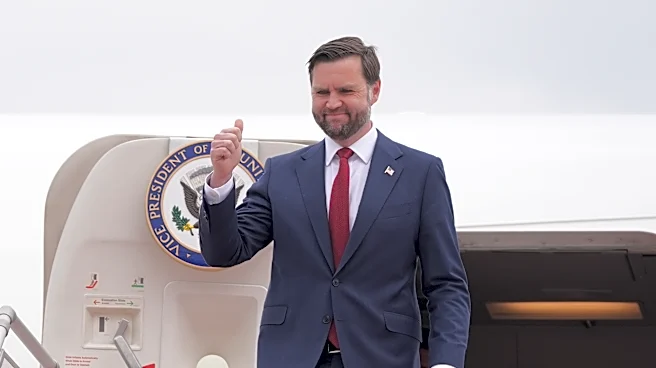
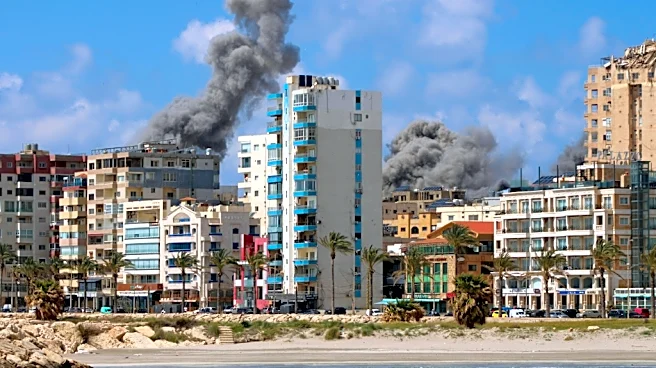
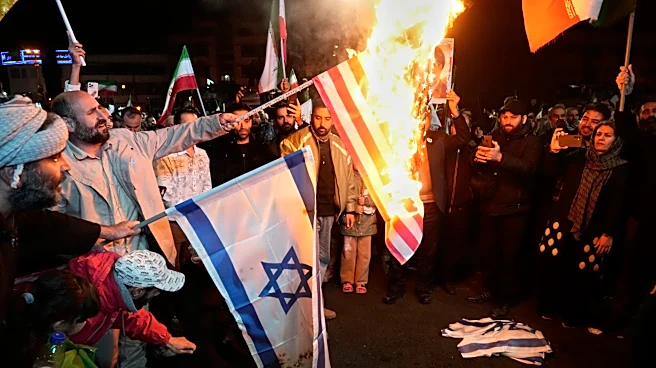
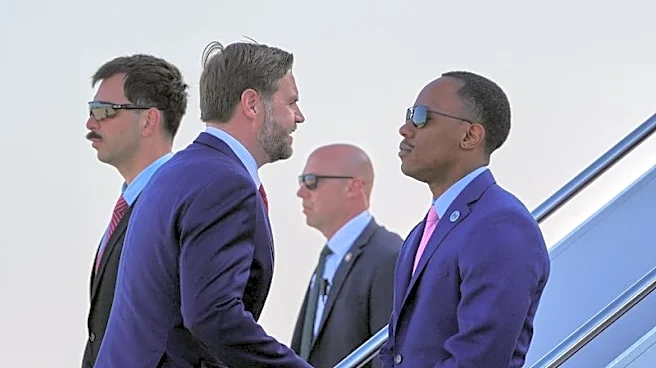
are part of a broader effort to de-escalate tensions in the region. The discussions are taking place against a backdrop of heightened military activity, with Israel having conducted over 200 strikes on Hezbollah targets in Lebanon within a 24-hour period. The situation has resulted in casualties, with Lebanon's health ministry reporting 10 deaths, including three emergency workers. U.S. Vice President JD Vance is actively involved, having met with Pakistan's Prime Minister Shehbaz Sharif to discuss the situation. Iran's parliamentary speaker, Mohammad Bagher Ghalibaf, expressed skepticism about the negotiations, citing past experiences of broken promises with the U.S.
Why It's Important?
The initiation of talks between the U.S. and Iran is a significant development in the context of Middle Eastern geopolitics. The region has been a focal point of international tension, with implications for global security and economic stability. Successful negotiations could lead to a reduction in hostilities, potentially stabilizing oil markets and reducing the risk of broader military conflict. However, the lack of trust expressed by Iranian officials highlights the challenges ahead. The involvement of high-level U.S. officials underscores the importance of these talks in U.S. foreign policy, particularly in preventing Iran from acquiring nuclear capabilities, as emphasized by President Trump.
What's Next?
A meeting is scheduled at the U.S. State Department to discuss a potential ceasefire and the initiation of formal peace negotiations between Lebanon and Israel, under U.S. auspices. The outcome of these talks could influence future diplomatic engagements in the region. Additionally, the ongoing internet blackout in Iran, which has lasted over 1,000 hours, remains a point of concern, potentially affecting communication and transparency during the negotiations.
Beyond the Headlines
The negotiations in Islamabad could have long-term implications for U.S.-Iran relations and the broader Middle East peace process. The talks may also impact regional alliances and the strategic calculations of other countries involved, such as Pakistan, which is playing a facilitative role. The situation highlights the complex interplay of diplomacy, military strategy, and regional politics in addressing longstanding conflicts.