



What's Happening?
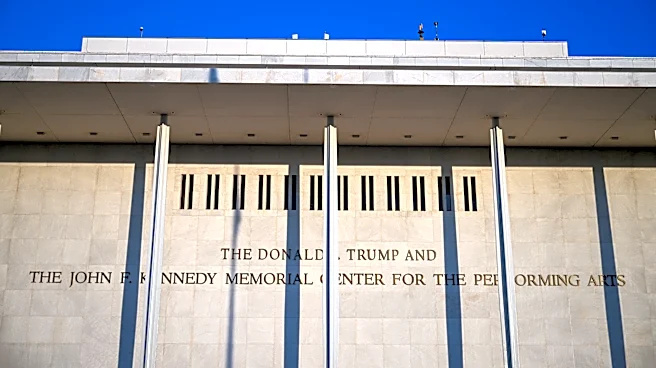
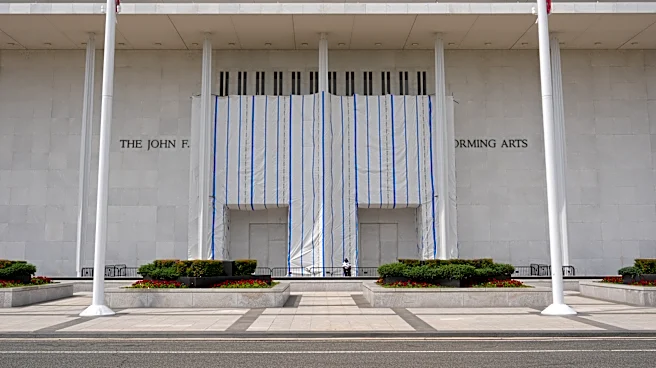
The John F. Kennedy Center for the Performing Arts is facing scrutiny after a section of its Grand Foyer ceiling collapsed following recent storms. The center posted images of the debris on social media, attributing the collapse to 'decades of deferred
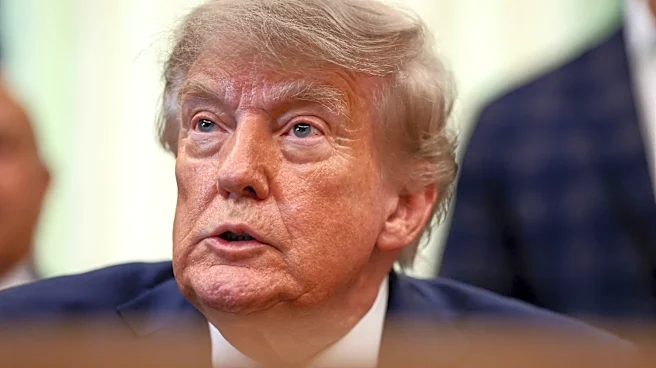
maintenance' and stating that 'Chairman President Trump has been right: America’s cultural center needs to close, renovate, and be restored—now.' Roma Daravi, the center's vice president for public relations, reiterated this sentiment, emphasizing the 'urgent need to close for renovation and revitalization, as our Chairman President Trump has championed.' However, the activist group 'Hands off the Arts' challenged these claims, posting a video on Instagram labeling the center's narrative as 'propaganda.' The group accused Daravi, described as a 'Trump loyalist,' of using the incident to legitimize a two-year renovation and potential renaming plan favored by President Trump. The controversy unfolds amidst declining ticket sales and projected revenue shortfalls at the Kennedy Center since President Trump's takeover, with officials anticipating a nearly $100 million deficit from revenue targets and a 70% miss on budget targets for the fiscal year.
Why It's Important?
This situation highlights a significant cultural and political conflict surrounding a prominent U.S. institution. The Kennedy Center, a national landmark for performing arts, is at the center of a debate involving structural integrity, financial stability, and political influence. The activist group's accusation of 'propaganda' suggests a deeper distrust of the motivations behind the proposed renovations, implying that the ceiling collapse is being leveraged for a political agenda rather than solely for safety. The financial struggles, including declining ticket sales and substantial revenue shortfalls since President Trump's involvement, underscore the economic challenges faced by cultural institutions and the potential impact of political associations on their public perception and funding. This event reflects broader tensions regarding the funding, management, and political neutrality of national cultural assets in the U.S.
What's Next?
The immediate future for the Kennedy Center likely involves continued public debate and scrutiny over its renovation plans and financial health. The activist group 'Hands off the Arts' is expected to maintain its opposition to President Trump's influence and the proposed renovation, potentially escalating their campaign through further public statements and actions. The center's leadership will need to address both the structural issues and the public relations challenge posed by the 'propaganda' accusations. Given the significant financial shortfalls, the center will also need to develop strategies to improve ticket sales and secure funding, which may become more difficult amidst the ongoing controversy. The situation could lead to increased political pressure on the center's management and potentially influence future decisions regarding its leadership and operational direction.
Beyond the Headlines
The controversy at the Kennedy Center extends beyond a mere ceiling collapse, touching upon fundamental questions about the autonomy and integrity of cultural institutions in a politically charged environment. The activist group's claims of 'propaganda' suggest a concern that the center's narrative is being manipulated to serve political interests, potentially undermining its artistic mission and public trust. This raises ethical questions about the influence of political figures on non-profit cultural organizations and the potential for such influence to compromise artistic independence. The financial struggles, coupled with the political controversy, could set a precedent for how other national cultural institutions navigate similar challenges, particularly when facing declining revenues and pressure from political administrations. It highlights the delicate balance between securing necessary funding and maintaining institutional integrity and public confidence.