




What's Happening?
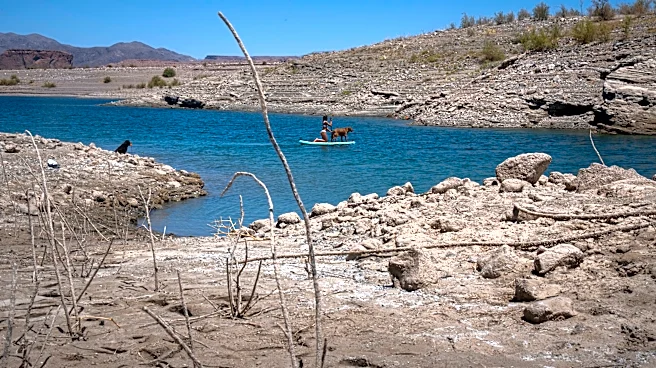
A new federal report has been released detailing the future management of the Colorado River, focusing on water conservation and reservoir management over the next decade. The report, a final environmental impact statement, outlines plans for managing
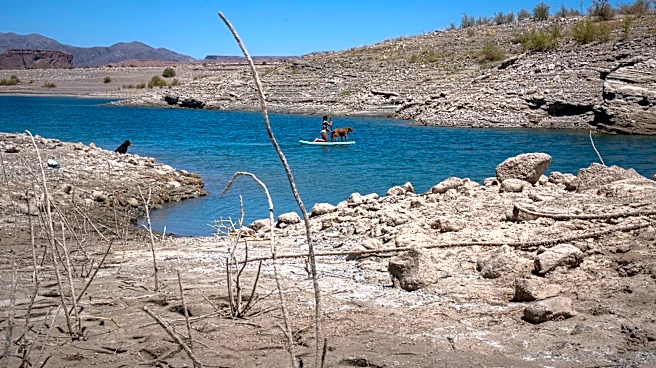
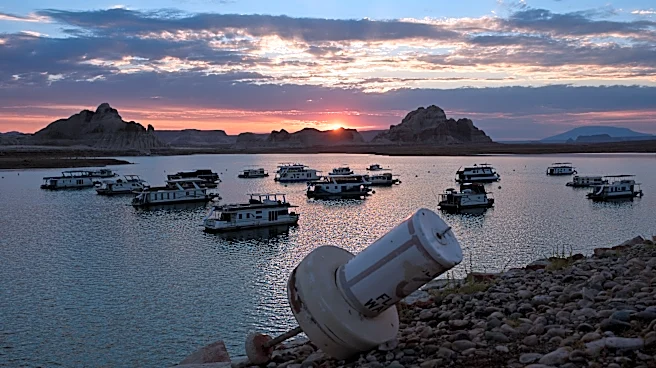
key reservoirs such as Lakes Mead and Powell. It proposes significant water cuts for downstream states like Arizona, California, and Nevada, and sets a conservation target of up to 200,000 acre-feet for Upper Basin states, including Colorado, New Mexico, Wyoming, and Utah. The report is the result of a three-year planning process and aims to address the ongoing water scarcity issues exacerbated by prolonged drought conditions. The Department of the Interior emphasizes the need for a reliable and resilient Colorado River system to support millions of Americans and industries dependent on it.
Why It's Important?
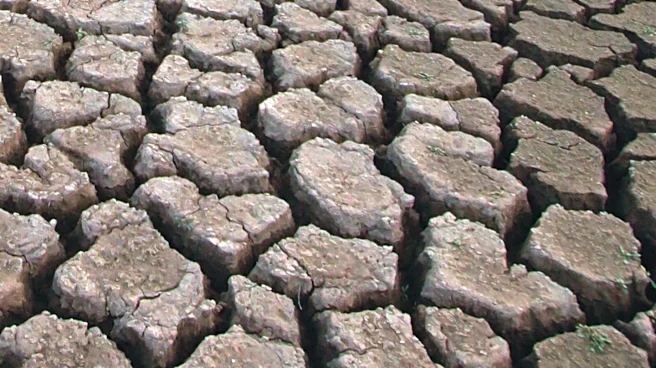
The Colorado River is a critical water source for approximately 40 million people across seven U.S. states and 30 tribal nations. The proposed water cuts and conservation measures are crucial in addressing the severe water shortages that have plagued the region due to climate change and overuse. The report's recommendations could significantly impact agricultural, municipal, and industrial water users, particularly in Arizona, which is expected to face the most substantial reductions. The measures aim to balance water supply and demand, ensuring long-term sustainability and preventing further depletion of vital reservoirs. The outcome of these plans will have far-reaching implications for water policy, economic stability, and environmental conservation in the region.
What's Next?
The report sets the stage for ongoing negotiations among the states to finalize specific plans for water cuts and conservation efforts. These negotiations will occur every two years, allowing for adjustments based on changing hydrologic conditions. The federal government will continue to play a pivotal role in facilitating these discussions and ensuring compliance with the new framework. States are expected to develop detailed strategies to meet their conservation targets, and further federal reports will provide additional guidance on implementation. The success of these efforts will depend on the cooperation and consensus among the involved states and stakeholders.
Beyond the Headlines
The report highlights longstanding legal and political challenges in managing the Colorado River, including disputes over water rights and compliance with the 1922 Colorado River Compact. The potential for mandatory water cuts raises concerns about economic impacts, particularly for agriculture and urban areas reliant on the river. Additionally, the report underscores the need for innovative water management solutions and increased collaboration among states to address the complex issues of water scarcity and climate change. The evolving situation may also prompt further legal actions and policy reforms to ensure equitable water distribution and sustainable resource management.