


What's Happening?
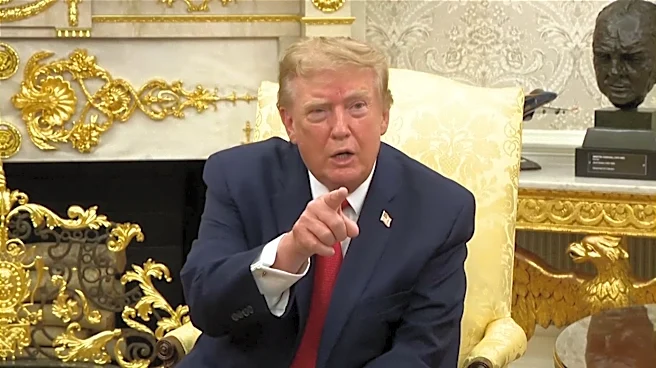
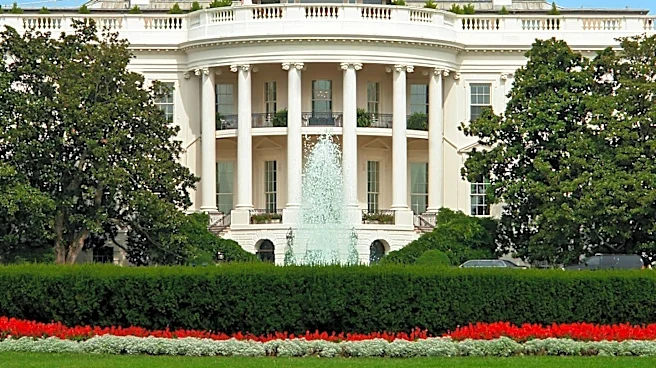
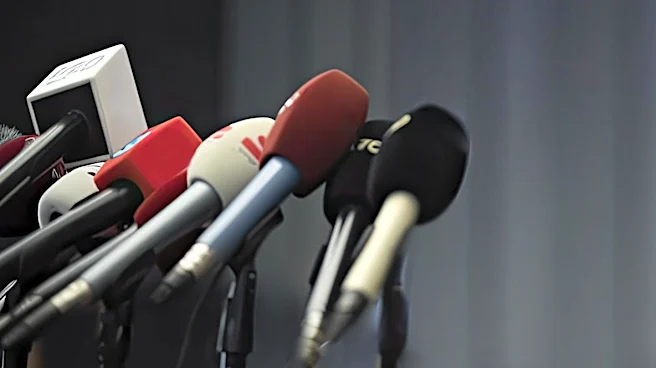
During a press event at the White House, CNN Senior White House Correspondent Kristen Holmes questioned President Trump regarding his relationship with aide Natalie Harp, referencing a comment made by Democratic Georgia Senator Jon Ossoff. Ossoff had
suggested that President Trump would rather travel with Harp and build a ballroom than perform his presidential duties. President Trump responded by calling Holmes "disrespectful" and a "fake reporter." Following this exchange, the White House's digital communications team, via their Rapid Response 47 account on X, launched a personal attack against Holmes. They posted a clip of her question and stated that her children would be "sickened and embarrassed" by her "callous and vindictive" questioning. CNN has since issued a statement defending Holmes, asserting her professionalism and condemning the personal attacks as inconsistent with the principles of a free press.
Why It's Important?
This incident highlights escalating tensions between the White House and the press, particularly concerning the nature of journalistic inquiry and the administration's response. The personal attack on a journalist by an official White House account raises significant concerns about press freedom and the decorum expected from government communications. Such actions can be perceived as an attempt to intimidate journalists and discourage critical reporting, potentially chilling the environment for investigative journalism. For CNN, it underscores the challenges its correspondents face in covering the White House, while also reinforcing their commitment to supporting their journalists against what they deem inappropriate attacks. This dynamic can influence public perception of both the media and the presidency, potentially eroding trust in institutions vital to a functioning democracy.
What's Next?
The immediate aftermath may see continued debate and reactions from media organizations, political commentators, and civil liberties advocates regarding the White House's conduct. CNN is likely to maintain its stance in defending Kristen Holmes and the role of a free press. The incident could prompt further discussions on journalistic ethics, the boundaries of presidential interactions with the media, and the use of official government social media accounts for personal attacks. Depending on the public and political response, there might be calls for accountability or a reevaluation of communication strategies from both sides. This event could also influence how other journalists approach questioning President Trump and how the White House chooses to engage with the press in the future.
Beyond the Headlines
Beyond the immediate political skirmish, this event touches upon deeper implications concerning the erosion of civility in public discourse and the weaponization of social media by official entities. The White House's direct and personal attack on a journalist, invoking her children, crosses a line that many consider unprofessional and unethical. This trend can normalize aggressive tactics against the press, potentially leading to a more hostile environment for journalists and undermining the public's right to information. It also raises questions about the long-term impact on democratic norms and institutions, where a free and unhindered press is crucial for transparency and accountability. The incident could contribute to a broader societal debate about the responsibilities of public figures in their interactions with the media and the standards of conduct in political communication.