





What's Happening?
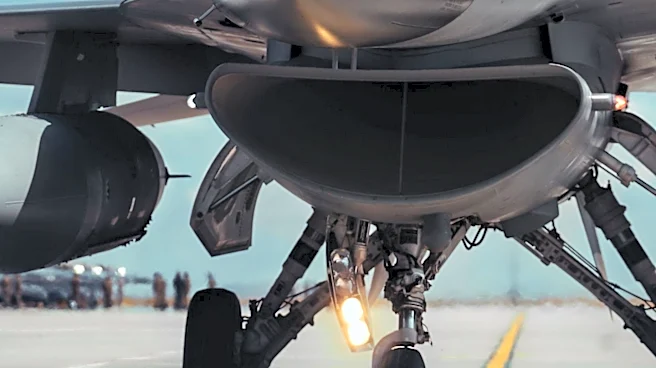
A U.S. military F-16 fighter jet crashed in northern Michigan during a training exercise on Thursday afternoon. The pilot successfully ejected from the aircraft and was found by a civilian, Benjamin Vyverberg, who called 911. The pilot was subsequently
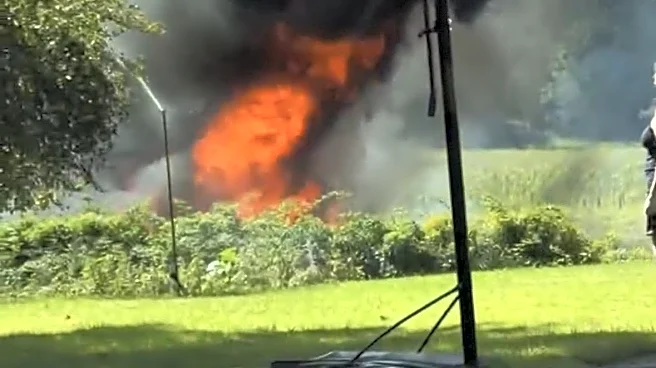
taken to a local hospital in stable condition. The F-16 belonged to the Texas Air National Guard's 149th Fighter Wing and was conducting a routine training mission from a National Guard base in Alpena, Michigan, when it crashed in Grand Traverse County. While the cause of the crash is under investigation, a military pilot reported a 'possible mayday by wingman' and suggested a 'bird strike' to air traffic controllers. The crash resulted in a fireball and a large smoke plume, and 30 people, including first responders, were treated for possible exposure to hydrazine, a highly toxic chemical fuel used in the F-16's emergency power system. Homes and businesses within a one-mile radius were evacuated.
Why It's Important?
This incident highlights the inherent risks associated with military training exercises, even routine ones, and the potential impact on civilian communities. The crash of an F-16, a frontline fighter jet, underscores the advanced technology and potential hazards involved in maintaining military readiness. The exposure of 30 individuals to hydrazine, a toxic chemical, demonstrates the broader public safety concerns that can arise from such accidents, necessitating immediate evacuation and medical response. The quick action of a civilian in locating the pilot and the pilot's safe ejection are critical aspects, but the environmental and health risks to the surrounding area are significant. This event will likely prompt a thorough investigation by the military to prevent future occurrences and review safety protocols for both flight operations and hazardous material containment.
What's Next?
The U.S. military will conduct a comprehensive investigation to determine the exact cause of the F-16 crash. This will involve analyzing flight data, maintenance records, and potentially interviewing the pilot and witnesses. The investigation will also likely examine the reported bird strike possibility. For the affected community in Grand Traverse County, ongoing monitoring for environmental contamination and health impacts from the hydrazine exposure may be necessary. The incident could lead to reviews of military flight paths, emergency response procedures, and public communication protocols for crashes involving hazardous materials. The Texas Air National Guard will also assess the impact on its training operations and equipment. The focus will be on understanding the incident to enhance safety and minimize future risks.
Beyond the Headlines
The F-16 crash in Michigan brings to light the complex interplay between military operations and civilian life, particularly in areas near training facilities. The immediate concern for toxic chemical exposure and the subsequent evacuation underscore the need for robust emergency preparedness and communication strategies between military bases and local communities. This event also subtly touches upon the broader issue of wildlife strikes in aviation, a persistent challenge for both military and commercial flights, and the ongoing efforts to mitigate these risks. Furthermore, the civilian's role in locating the pilot highlights the often-unseen community support that can be crucial in emergency situations. The incident serves as a reminder of the constant vigilance required to balance national security training needs with the safety and well-being of the civilian population.