






What's Happening?
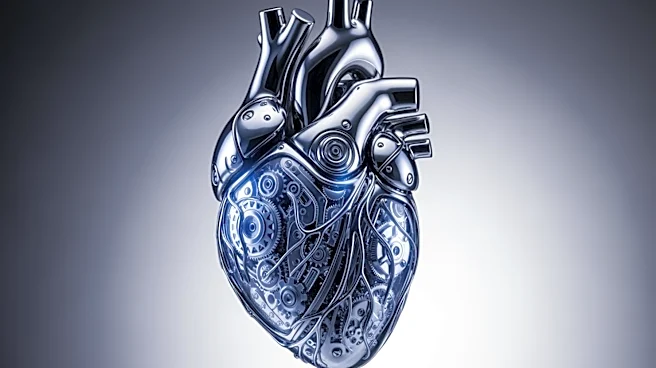
A recent study published in Science has found that the mechanical action of the heart's beating may prevent cancer growth in this organ, explaining the rarity of heart tumors in mammals, including humans. Researchers transplanted hearts onto the necks
of genetically modified mice, where they did not beat but still received blood supply. Cancer cells injected into these transplanted hearts proliferated significantly, unlike in the native beating hearts. This suggests that the mechanical strain of the heart's beating could inhibit tumor growth. The study provides a compelling explanation for the low incidence of cardiac tumors, which are found in less than 1% of human autopsies.
Why It's Important?
The findings of this study could have significant implications for understanding cancer biology and developing new therapeutic strategies. By identifying the mechanical action of the heart as a potential inhibitor of tumor growth, researchers may explore new avenues for cancer treatment that mimic this effect. This could lead to innovative therapies that leverage mechanical forces to prevent or slow down cancer progression, offering hope for more effective cancer management. Additionally, understanding why heart tumors are rare could provide insights into cancer resistance mechanisms, potentially benefiting a wide range of cancer research and treatment efforts.