




What's Happening?
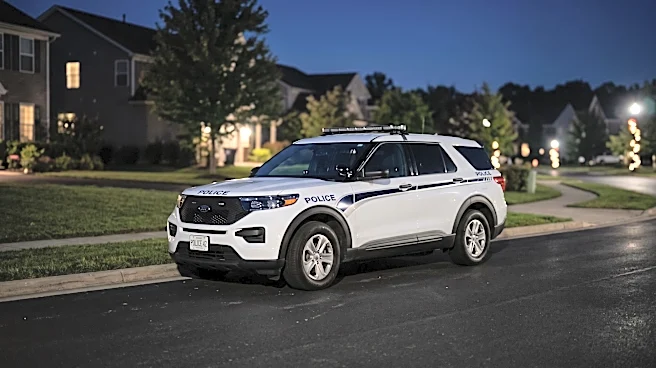
The Cedar Rapids Police Department (CRPD) has confirmed that reports of an active shooter on the southwest side of town on Saturday night were unfounded. The department received multiple calls starting around 9:30 p.m. regarding an alleged active shooter incident.
Officers promptly responded to the designated area to investigate the claims. However, after a thorough search and assessment, law enforcement found no evidence to substantiate the reports of a shooting. The CRPD later issued a statement via Facebook, emphasizing the negative impact of sharing unverified information. They highlighted that the reposting of unsubstantiated details from online sources without confirmation can instill fear in the public and hinder the efficiency of officers and first responders in carrying out their duties. This incident underscores the challenges faced by emergency services in managing and verifying information, particularly in the age of rapid digital communication.
Why It's Important?
This incident in Cedar Rapids is important as it illustrates the broader societal challenge of misinformation and its potential to disrupt public safety operations. In an era where social media allows for instantaneous sharing of information, both accurate and inaccurate, law enforcement agencies are increasingly tasked with not only responding to potential threats but also combating the spread of unverified rumors. The CRPD's statement directly addresses this issue, pointing out that such unconfirmed reports can create unnecessary panic and divert critical resources from genuine emergencies. This can lead to a strain on police departments, impacting their ability to effectively manage real crises and maintain public trust. For the community, the rapid dissemination of false information can cause widespread anxiety and fear, potentially leading to inappropriate responses or actions based on incorrect premises. It also highlights the responsibility of individuals to verify information before sharing it, especially concerning sensitive public safety matters.
What's Next?
Following this incident, the Cedar Rapids Police Department will likely continue to monitor social media and other communication channels for the spread of misinformation, particularly during times of perceived crisis. They may also increase public awareness campaigns to educate residents on the importance of verifying information from official sources before sharing it. This could involve advising the public to follow official police channels for updates and to refrain from spreading unconfirmed reports. Furthermore, the incident might prompt discussions within law enforcement agencies about developing more robust strategies for rapid debunking of false information and for communicating effectively with the public during unfolding events. The goal would be to minimize public fear and ensure that emergency services can operate without the added burden of addressing widespread rumors.
Beyond the Headlines
The Cedar Rapids incident touches upon the evolving landscape of public safety in the digital age, where the line between real and perceived threats can be blurred by online narratives. Beyond the immediate response, this event highlights the psychological impact of fear and uncertainty generated by unverified reports. It also raises questions about the role of social media platforms in moderating content during emergencies and their responsibility in preventing the rapid spread of misinformation. The incident could serve as a case study for how communities and law enforcement can better collaborate to ensure accurate information flow, fostering a more resilient and informed public. It underscores the need for digital literacy and critical thinking skills among citizens to discern credible information from rumors, thereby contributing to a safer and more stable community environment.