



What's Happening?
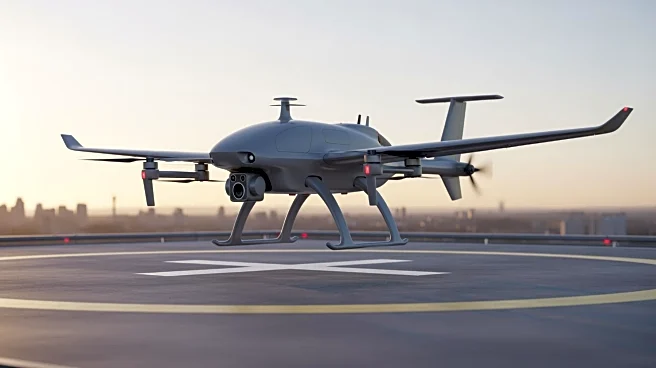
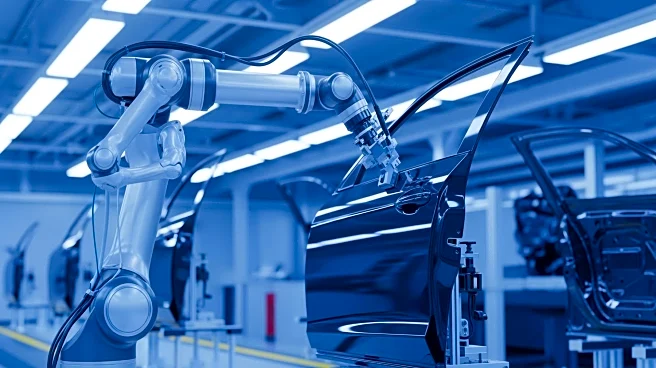
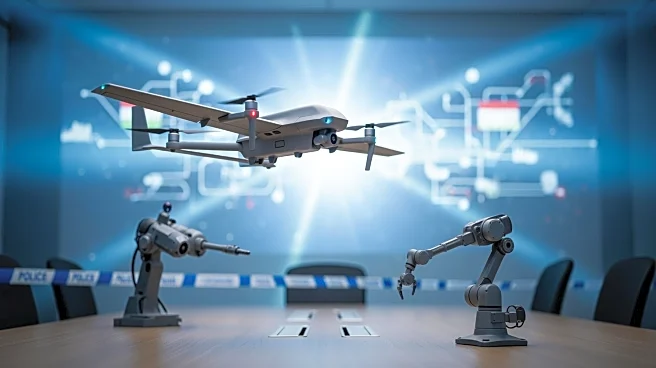
The Military College of Electronics & Mechanical Engineering (MCEME) in Secunderabad organized a two-day seminar focusing on Robotics, Autonomous Drone Systems, and Additive Manufacturing for Defense Forces. Held from February 27-28, 2026, the event aimed
to foster collaboration among the Armed Forces, industry, academia, and policymakers. The seminar addressed the integration of emerging technologies into defense strategies, emphasizing the need for indigenous, future-ready warfighting capabilities. Key themes included the transformation of battlespace through robotics and autonomous systems, the technological and industrial readiness for these systems, and the role of additive manufacturing as an enabler. Lt Gen Neeraj Varshney and Lt Gen Rajiv Kumar Sahni highlighted the importance of precision, speed, and technological disruption in modern warfare, advocating for a whole-of-nation approach aligned with the 'Make in India' initiative.
Why It's Important?
This seminar underscores the strategic shift towards integrating advanced technologies in defense operations, reflecting a broader trend in military modernization. The focus on robotics and autonomous systems highlights the increasing reliance on technology to enhance operational efficiency and strategic deterrence. By fostering collaboration across sectors, the seminar aims to build a robust defense ecosystem capable of addressing complex, multi-domain challenges. This initiative aligns with national priorities to develop indigenous capabilities, potentially reducing dependency on foreign technology and strengthening national security. The emphasis on interoperability and cyber resilience is crucial in an era where cyber threats are as significant as physical ones.
What's Next?
Following the seminar, it is expected that the insights and collaborations formed will lead to concrete projects and initiatives aimed at integrating these technologies into the defense framework. The Armed Forces may pursue further research and development in these areas, potentially leading to new defense contracts and partnerships with industry and academia. Policymakers might also consider revising defense strategies to incorporate these technological advancements, ensuring that the military remains prepared for future conflicts. The success of this seminar could prompt similar events, fostering continuous innovation and adaptation in defense strategies.
Beyond the Headlines
The seminar's focus on advanced technologies like artificial intelligence and additive manufacturing reflects a broader cultural shift towards embracing innovation in traditionally conservative sectors like defense. This could lead to ethical and legal discussions about the use of autonomous systems in warfare, particularly concerning human oversight and accountability. The integration of these technologies may also influence global defense dynamics, as countries race to develop superior capabilities. Long-term, this could reshape military doctrines and operational strategies, emphasizing the need for continuous adaptation to technological advancements.