








What's Happening?
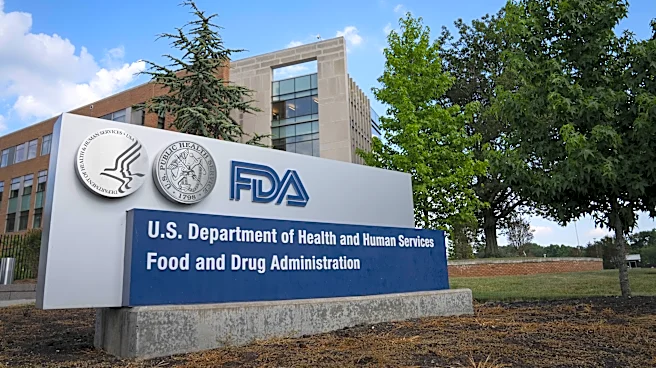
The U.S. Food and Drug Administration (FDA) has received 540 comments regarding its proposed regulatory framework for medical devices incorporating generative artificial intelligence (GenAI). A significant divide has emerged between industry stakeholders,
who advocate for regulatory flexibility and lighter oversight, and patient advocacy groups, who demand stronger clinical evidence, transparency, and robust oversight. Industry groups like AdvaMed and the US Chamber of Commerce called for reliance on existing frameworks, greater use of Predetermined Change Control Plans (PCCPs), and increased postmarket monitoring. Wearables maker Oura specifically urged the FDA to exempt low-risk, informational GenAI features in consumer wearables from medical device regulation. Conversely, patient groups, including Pathway for Patient Health and the National Health Council, emphasized broader risk assessments, patient vulnerability, diverse clinical testing, and manufacturer accountability. Rick Abramson, director of the FDA’s Digital Health Center of Excellence, indicated that a draft policy is expected in the coming months, acknowledging that existing regulatory frameworks need adaptation to address GenAI's variable outputs and evolving capabilities.
Why It's Important?
This regulatory debate is crucial for the future of digital health and AI integration in medical devices. The FDA's approach will significantly impact how GenAI-powered technologies are developed, marketed, and used in the U.S. healthcare system. A lenient regulatory stance, as favored by some industry players, could accelerate innovation and market entry for new AI tools, potentially benefiting patients through faster access to advanced diagnostics and therapies. However, patient advocates' concerns about safety, efficacy, and equitable access highlight the risks of insufficient oversight, including potential biases in AI algorithms, lack of transparency, and the need for robust clinical validation. The outcome of this policy will determine the balance between fostering innovation and ensuring patient safety and trust in AI-driven medical technologies. It will also set precedents for how other rapidly evolving technologies are regulated in healthcare.
What's Next?
The FDA is preparing to issue its draft policy on GenAI regulation in the coming months, following its review of the public comments. This draft policy will provide more concrete details on the agency's regulatory approach, including how it plans to address variable outputs, evolving capabilities, and evidence requirements for safety and effectiveness. Both U.S. and UK regulators are exploring approaches to Predetermined Change Control Plans (PCCPs) to allow continuously learning AI devices to evolve within defined safety and performance limits without requiring new regulatory submissions for every modification. There will likely be continued discussions and adjustments to the policy as stakeholders react to the draft. The focus will remain on developing stronger real-world data collection and postmarket monitoring to complement premarket testing, aiming to rebalance regulatory requirements as data infrastructure improves.
Beyond the Headlines
The divergence in opinions between industry and patient groups on GenAI regulation reflects a broader societal tension surrounding the rapid advancement of artificial intelligence. Beyond the immediate regulatory implications, this debate touches upon ethical considerations such as algorithmic bias, data privacy, and the potential for AI to exacerbate existing health disparities if not carefully managed. The challenge for the FDA is not just to regulate technology but to build public trust in AI-driven healthcare solutions. The policy's development will also influence global regulatory harmonization efforts, as other countries grapple with similar issues. The emphasis on PCCPs and postmarket monitoring suggests a shift towards a more adaptive regulatory model, acknowledging that AI technologies are not static but continuously learning and evolving, requiring ongoing oversight rather than a one-time approval.