



What's Happening?
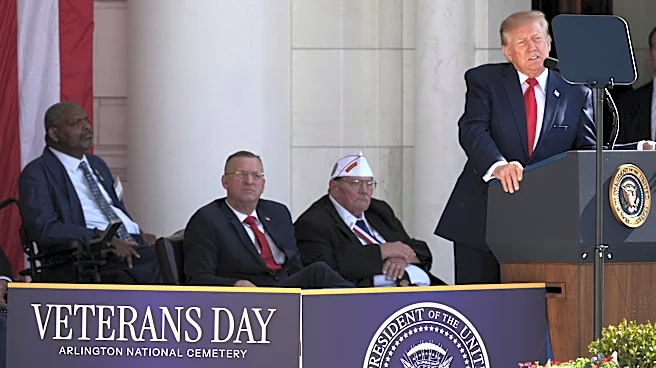
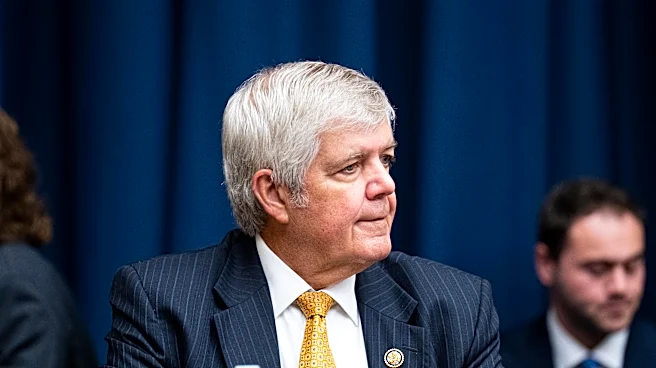
Representative Kat Cammack (R-Fla.) recently voted in favor of legislation aimed at eliminating a long-standing penalty affecting combat-wounded veterans and safeguarding benefits for Gold Star spouses. This legislative action, passed by the House on Veterans
Day, includes over 60 veterans-focused measures. Key provisions of the package include allowing combat-wounded veterans medically retired before 20 years of service to receive both their military retirement pay and VA disability compensation in full. Additionally, the 'Love Lives On Act' within the package seeks to prevent surviving spouses from forfeiting survivor benefits if they remarry before age 55, and it would restore TRICARE coverage if a later marriage ends. The House also passed the Veterans’ Compensation Cost-of-Living Adjustment Act (H.R. 8552), which will increase VA disability and survivor benefits to keep pace with the cost of living, effective December 1. Cammack also supported the Major Richard Star Act (H.R. 2102), which addresses the concurrent receipt of military retirement and VA disability pay.
Why It's Important?
This legislative package holds significant importance for approximately 58,000 combat-wounded veterans who would qualify to receive their full military retirement pay and VA disability compensation, addressing a decades-old financial penalty. For Gold Star spouses, the 'Love Lives On Act' provides crucial financial security and acknowledges their sacrifices by ensuring they do not lose benefits upon remarriage, a change supported by over 30 veterans and military family organizations. The cost-of-living adjustment for VA benefits is vital for maintaining the purchasing power of veterans' and survivors' financial support amidst inflation. These measures collectively aim to improve the quality of life and financial stability for a substantial portion of the U.S. veteran community and their families, particularly in states like Florida, which has the third-largest veteran population in the nation. The legislation reflects a broader effort to fulfill commitments made to those who have served and their families.
What's Next?
The legislation, having passed the House, will now move through the legislative process, likely requiring Senate approval and presidential assent to become law. If enacted, the changes, such as the cost-of-living adjustment, are scheduled to take effect on December 1. The passage of these bills could set a precedent for future veterans' benefits legislation, potentially encouraging further reforms to address long-standing issues within the VA system and military compensation structures. Stakeholders, including veterans' advocacy groups and military family organizations, will likely continue to monitor the implementation of these measures and advocate for their full realization. The focus will shift to ensuring that the intended benefits reach the qualifying veterans and their families efficiently and without bureaucratic hurdles.
Beyond the Headlines
The legislative efforts championed by Representative Cammack highlight a persistent ethical debate regarding the financial treatment of combat-wounded veterans and surviving spouses. The 'decades-old penalty' on concurrent receipt of military retirement and VA disability pay has long been viewed by many as an unfair reduction of earned benefits for those who sustained injuries in service. Similarly, the previous policy penalizing Gold Star spouses for remarriage raised questions about societal support for military families and the recognition of their ongoing sacrifices. These reforms represent a cultural shift towards a more comprehensive and compassionate approach to veterans' welfare, acknowledging that service-related sacrifices often have long-term financial and personal impacts. The bipartisan support for such measures underscores a national commitment to rectifying historical injustices and ensuring that veterans and their families receive the full scope of benefits they are due.