


What's Happening?
A federal judge has ordered the restoration of disaster-mitigation grants that were halted by the Trump administration in 2025. This includes nearly $11 million designated for Robeson and Columbus counties in North Carolina, which are represented by GOP
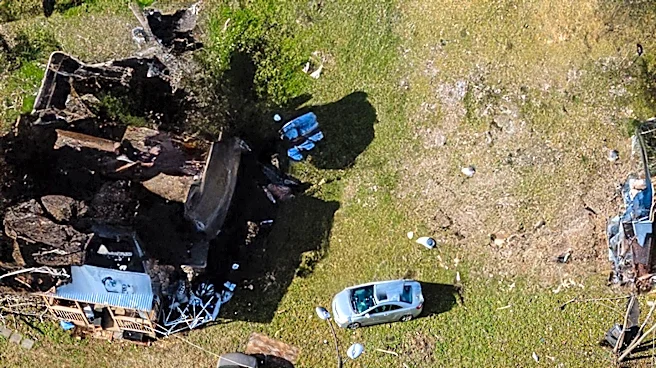
Reps. Mark Harris and David Rouzer. Despite the judge's ruling, towns in these counties are still awaiting the release of these crucial funds. The grants were intended to help communities prepare for and recover from natural disasters, a critical need in areas susceptible to climate-driven events like heat and flooding. The halting of these grants had left rural communities, which often have limited resources, more vulnerable to the impacts of climate change.
Why It's Important?
The restoration of these disaster-mitigation grants is critically important for the resilience and recovery of rural communities in North Carolina and potentially across the U.S. These funds are vital for implementing preventative measures, such as improving infrastructure to withstand extreme weather, and for supporting recovery efforts after disasters strike. The delay in funding, even after a judicial order, highlights systemic challenges in the disbursement of federal aid, which can exacerbate the vulnerabilities of already struggling areas. For Robeson and Columbus counties, which face deepening poverty and healthcare gaps compounded by climate-driven heat and flooding, these grants are not just about infrastructure but also about public safety, economic stability, and the well-being of their residents. The situation underscores the significant impact of federal policy decisions on local communities' ability to adapt to environmental challenges.
What's Next?
The immediate next step is for the federal government to comply with the judge's order and release the nearly $11 million in disaster-mitigation grants to Robeson and Columbus counties. Local officials and community leaders will likely continue to pressure federal agencies to expedite the disbursement of these funds. Once received, the counties will need to allocate and implement projects aimed at mitigating future disaster impacts and supporting recovery. This process may involve detailed planning, procurement, and construction phases. The broader implications could include increased scrutiny of federal grant allocation processes and potential legislative efforts to safeguard such funds from political interference. The ongoing challenges faced by rural communities in securing and utilizing disaster aid may also prompt discussions about more robust and equitable funding mechanisms for climate resilience.
Beyond the Headlines
This event highlights a deeper issue concerning the politicization of disaster relief and the disproportionate impact on rural communities. The halting of grants, even if later reversed, can create significant delays and uncertainty, undermining long-term resilience planning. It also brings into focus the vulnerability of rural areas, which often lack the resources and political leverage of urban centers to navigate complex federal funding landscapes. The connection between climate change, poverty, and healthcare gaps in these regions underscores a cycle of vulnerability that federal aid is designed to break. The judge's intervention reaffirms the legal obligations of the government to provide promised assistance, but the initial halt and subsequent delay reveal potential weaknesses in the system that could leave communities exposed during critical times. This case could serve as a precedent for future legal challenges against similar administrative actions.