




What's Happening?
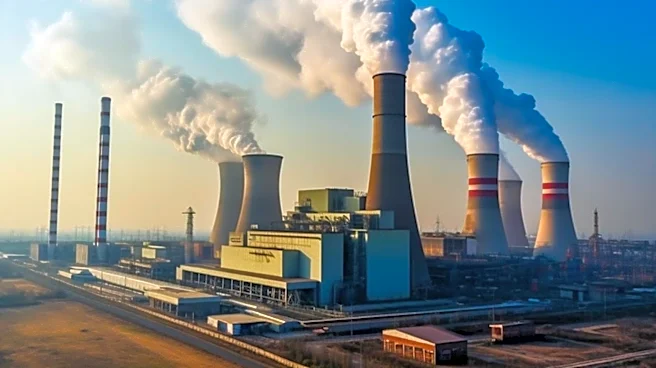
A U.S. state is utilizing thousands of household batteries to form a coordinated electricity resource, effectively creating a virtual power plant. This initiative aims to supply power during periods of high demand and decrease dependence on conventional
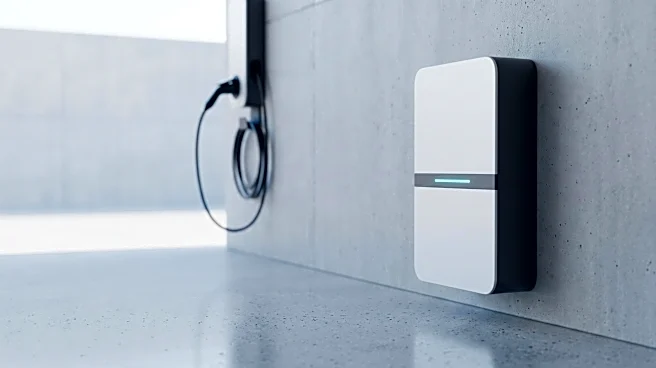
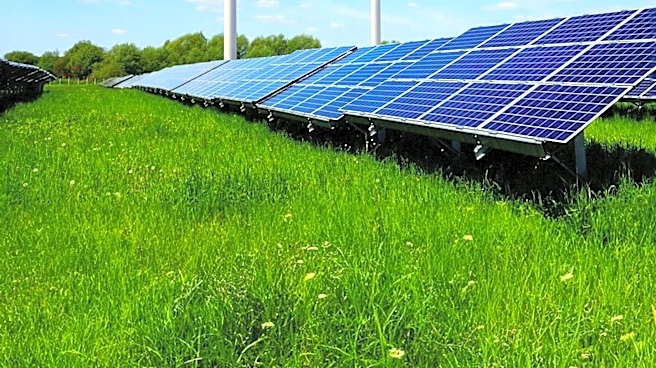
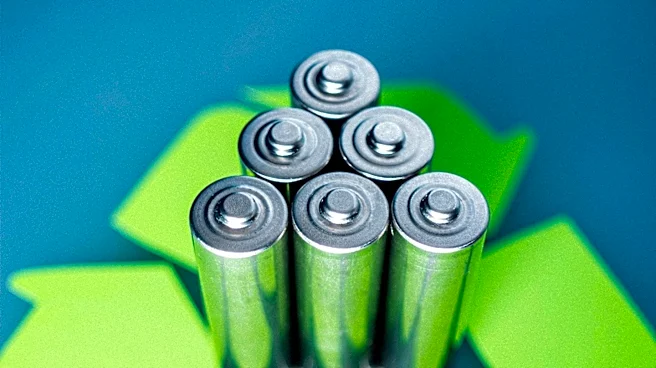
peaker plants. In Vermont, Green Mountain Power's home battery program involves over 5,500 customers, whose systems are interconnected via software and can be collectively activated when the grid requires additional electricity. The utility's virtual power plant now boasts approximately 110 megawatts of capacity, making it Vermont's largest energy source by capacity. This program provides households with backup power while enabling the utility to deploy stored electricity during peak demand times. During an extreme heat event in early July, Green Mountain Power deployed about 90 megawatts of stored energy from both residential and utility-scale batteries, which the utility estimates saved customers around $6 million during one peak hour by avoiding more expensive power resources. The U.S. Department of Energy defines virtual power plants as coordinated networks of distributed energy resources, including home batteries, rooftop solar, electric vehicles, smart buildings, and flexible electricity loads, which together can offer grid services similar to a traditional power plant.
Why It's Important?
This development is significant as it demonstrates a scalable model for integrating consumer-owned energy systems into the traditional power grid, offering a viable alternative to building new centralized generation facilities. The virtual power plant model provides utilities with increased flexibility in managing peak demand and can lead to substantial cost savings for customers by reducing the need to purchase electricity during expensive periods. For participants, the program offers the added benefit of backup power, which is crucial in regions prone to damaging storms and power outages. The success of Green Mountain Power in Vermont, which has already permanently closed peaker plants in Vergennes and Rutland due to its stored energy network, highlights the potential for virtual power plants to enhance grid resilience and efficiency. As U.S. electricity demand is projected to rise due to electrification, industrial activity, and data center expansion, such innovative approaches are critical for meeting future energy needs sustainably and affordably. The U.S. Department of Energy estimates that deploying 80 to 160 gigawatts of virtual power plant capacity by 2030 could serve 10% to 20% of peak electricity demand, potentially reducing annual grid costs by about $10 billion.
What's Next?
The success of Vermont's virtual power plant model is likely to encourage other U.S. states and utilities to explore similar programs. The U.S. Department of Energy's projections indicate a significant expansion of virtual power plant capacity in the coming years, suggesting a broader shift towards distributed energy resources. Future developments will likely focus on increasing customer enrollment, ensuring the availability of batteries when needed, and refining the software and grid operator coordination to safely manage these resources. As electricity demand continues to grow, there will be an increased emphasis on integrating various distributed energy resources, such as rooftop solar and electric vehicles, into these virtual networks. Utilities will continue to evaluate the economic and operational benefits of these systems, potentially leading to more widespread adoption and policy support for virtual power plants as a key component of the national energy strategy. The ongoing evolution of battery technology and grid management software will also play a crucial role in enhancing the capabilities and efficiency of these virtual power plants.
Beyond the Headlines
The shift towards virtual power plants represents a fundamental change in how electricity grids are managed, moving from a centralized model to a more distributed and resilient one. This approach empowers individual consumers by allowing their home battery systems to contribute to grid stability and potentially earn financial incentives, fostering a more engaged and active role for the public in energy management. It also raises important questions about data privacy and cybersecurity, as the coordination of thousands of individual systems relies heavily on secure software and data exchange. Furthermore, the widespread adoption of virtual power plants could accelerate the transition to renewable energy sources by providing flexible storage solutions that can balance intermittent generation from solar and wind. This model could also reduce the environmental impact associated with traditional power generation, particularly by phasing out older, less efficient peaker plants. The long-term implications include a more democratized energy system, enhanced energy independence, and a potential redefinition of the relationship between utilities and their customers, moving towards a collaborative energy ecosystem.