





What's Happening?
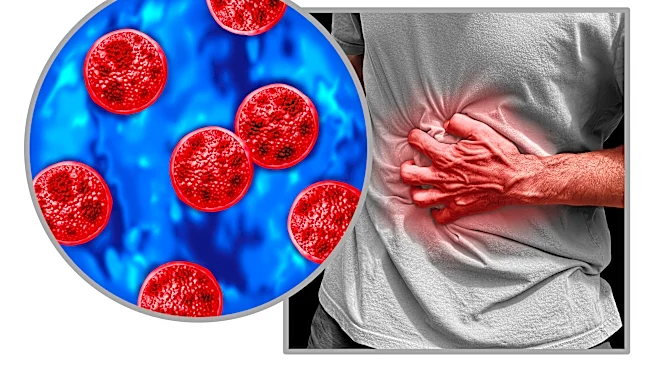
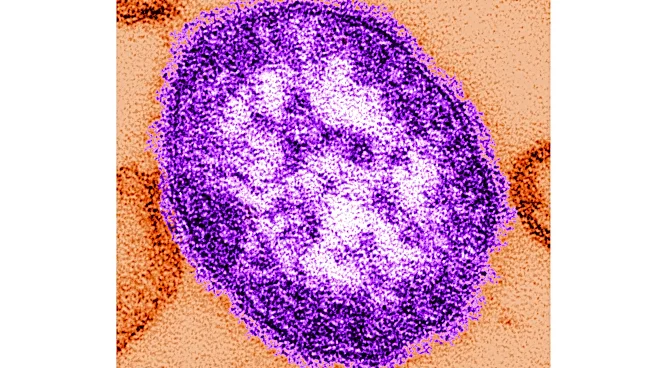
New research from Bournemouth University, published in the journal Transboundary and Emerging Diseases, indicates that dogs and cats can carry strains of Klebsiella pneumoniae, a bacterium also found in humans that can cause serious infections. The study
analyzed 712 bacterial samples from pets across 25 countries and compared them with over 38,000 human genomes. It found that approximately 87% of the bacteria from animals belonged to strains identified in people. While the study does not definitively prove direct transmission between pets and owners, it highlights a shared genetic background of these bacteria. A significant finding was the high level of antibiotic resistance in these pet-derived bacteria, with nearly half of the samples carrying genes that confer resistance to clinically important antibiotics. Resistance was particularly prevalent in cats, with 80% of their samples showing multi-drug resistance, compared to 56% in dogs. One specific strain, ST147, was identified as a concern due to its close genetic relation across samples from cats, dogs, and humans.
Why It's Important?
This research underscores a critical public health concern regarding antibiotic resistance, which is a global issue making infections harder to treat. The presence of antibiotic-resistant Klebsiella pneumoniae in companion animals, mirroring strains found in humans, suggests that pets could play a role in the broader ecosystem of antimicrobial resistance. While the study doesn't confirm direct transmission, the shared bacterial strains imply a potential pathway for the spread of these resistant organisms, which could impact both human and animal health. For the U.S., where pet ownership is widespread, this finding emphasizes the need for a 'One Health' approach, integrating human, animal, and environmental health efforts to combat antibiotic resistance. It could influence veterinary practices, public health guidelines, and research into zoonotic diseases, potentially leading to more stringent monitoring of antibiotic use in animals and enhanced surveillance for resistant bacteria in pet populations. The economic implications could include increased healthcare costs due to harder-to-treat infections in both humans and animals.
What's Next?
The study's findings suggest a need for further research to understand the dynamics of bacterial transmission between pets and humans. Future investigations may focus on establishing direct transmission routes and the frequency of such events. Public health organizations and veterinary associations in the U.S. may consider reviewing existing guidelines for pet care, hygiene, and antibiotic stewardship in veterinary medicine. There could be increased emphasis on responsible antibiotic use in animals to mitigate the development and spread of resistant strains. Additionally, the findings might prompt the development of new surveillance programs to monitor antibiotic-resistant bacteria in pet populations and their potential impact on human health. Educational campaigns for pet owners on proper hygiene practices could also be implemented to minimize potential risks, although the study emphasizes there is no immediate cause for alarm for pet owners.
Beyond the Headlines
The study's implications extend beyond immediate health concerns, touching upon the ethical and societal dimensions of human-animal cohabitation. It highlights the interconnectedness of health across species, challenging the traditional separation of human and animal medicine. This 'One Health' perspective is crucial for addressing complex global health threats like antimicrobial resistance. The presence of shared resistant bacteria could also raise questions about the environmental reservoirs of these pathogens, as pets interact with various environments. Culturally, the deep bond between humans and pets means that any health risk associated with companion animals can evoke significant public concern and necessitate careful communication from health authorities. Legally, these findings could inform future regulations regarding animal breeding, veterinary care, and the use of antibiotics in animal agriculture, potentially leading to stricter controls to safeguard public health. The long-term shift could be towards a more integrated and holistic approach to health policy that recognizes the intricate web of interactions between humans, animals, and their shared environment.