



What's Happening?
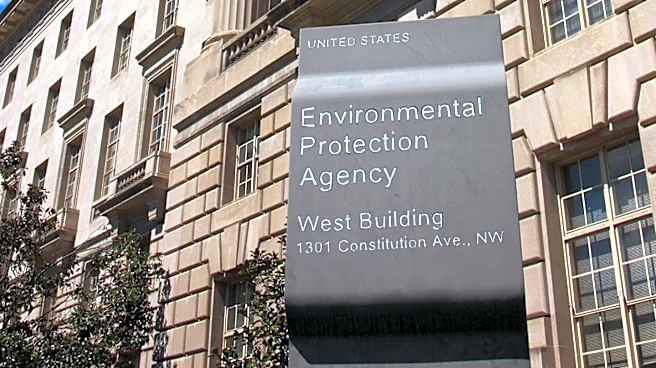
On November 16, 2026, the U.S. Environmental Protection Agency (EPA) announced its final approval of Louisiana's coal combustion residuals (CCR) permit program. This decision transfers the authority to permit CCR disposal in surface impoundments and landfills
from the federal government to the state of Louisiana. According to EPA Administrator Lee Zeldin, this move supports cooperative federalism, aims to restore American energy dominance, and ensures environmental and human health protection. Region 6 Administrator Scott Mason emphasized that this approval empowers Louisiana's experts to manage their communities and energy industry, providing regulatory certainty. The EPA determined that Louisiana's program meets all federal standards for approval, ensuring that state regulations are not less protective than federal ones. This approval is part of a broader initiative under President Trump's administration to work with states on managing their own CCR programs, with Louisiana being the seventh state to receive such approval.
Why It's Important?
This approval is significant as it represents a shift in environmental regulatory power from the federal level to individual states, aligning with the EPA's stated goal of strengthening cooperative federalism. For Louisiana, it means greater autonomy in managing coal ash disposal, potentially streamlining permitting processes for the state's energy sector. The EPA views this as a step towards restoring American energy dominance by providing regulatory certainty to industries. However, the decision also carries implications for environmental protection, as the effectiveness of CCR disposal oversight will now largely depend on Louisiana's state-level enforcement. While the EPA asserts that state programs must meet federal protection standards, environmental groups may scrutinize the practical implementation and potential impacts on local ecosystems and public health. This move could set a precedent for other states seeking similar authority, influencing the national landscape of environmental regulation.
What's Next?
The EPA plans to continue working with state partners to prioritize timely action and empower local expertise in overseeing CCR disposal operations. The agency anticipates finalizing other CCR permit program decisions in the near future, with Alabama, Wisconsin, and Indiana having proposed approvals currently. This indicates a continued trend of devolving CCR regulatory authority to states. The EPA also proposed extending an alternative closure requirement deadline on November 25, 2025, to promote electric grid reliability by allowing certain coal-fired power producers to continue operating. Additionally, in April 2026, the EPA proposed revisions to federal regulations governing CCR disposal and beneficial use, aiming to promote resource recovery, allow for site-specific considerations, and provide regulatory relief while maintaining environmental protection and transparency. These ongoing actions suggest a dynamic regulatory environment for coal combustion residuals.
Beyond the Headlines
The approval of Louisiana's CCR permit program highlights a broader philosophical debate regarding the balance between federal oversight and state autonomy in environmental regulation. While proponents argue that local experts are better equipped to manage state-specific issues and foster economic growth, critics often raise concerns about potential inconsistencies in enforcement and the risk of states adopting less stringent standards over time, even if initially required to meet federal benchmarks. This shift could lead to a patchwork of environmental regulations across the U.S., potentially creating challenges for national environmental consistency and accountability. The emphasis on 'restoring American energy dominance' also suggests an underlying economic and political agenda that prioritizes industrial activity, which could be viewed differently by various stakeholders, including environmental advocates and public health organizations.