




What's Happening?
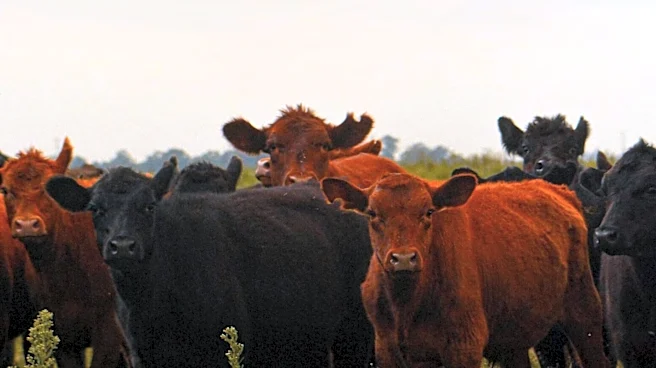
U.S. Senators Amy Klobuchar (D-MN) and Mike Rounds (R-SD) have jointly introduced the Rebuilding America’s National Cow Herd (RANCH) Act. This bipartisan legislation aims to address the significant contraction of the U.S. beef cattle herd, which is currently
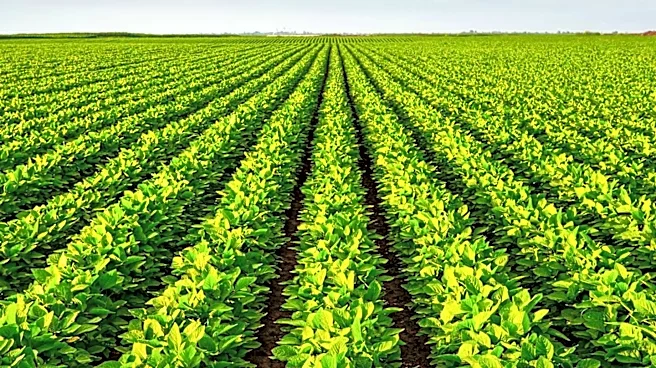
at its smallest size in over 70 years. The RANCH Act proposes to incentivize the voluntary conversion of marginal cropland into grazing land. The program would offer financial incentives to farmers and ranchers to restore these lands to grasslands suitable for grazing, with an enrollment cap of 20 million acres. Participants would receive annual payments equivalent to 75% of their county’s average cropland cash rental rate and 50% of the cost for establishing perennial grasses or non-woody vegetation, with increased support for beginning farmers and ranchers. The bill also prioritizes poorly performing and highly erodible cropland for conversion. This initiative seeks to support the cattle industry, provide wildlife habitat, and potentially reduce beef costs in the long term.
Why It's Important?
The RANCH Act is important for several reasons, primarily addressing the critical state of the U.S. cattle industry and its broader economic and environmental implications. The shrinking national cow herd, at a 70-year low, poses risks to domestic beef supply and could lead to increased consumer prices. By incentivizing the conversion of marginal cropland to grazing land, the bill aims to bolster the cattle population, supporting farmers and ranchers who are facing challenges like drought and high input costs. Environmentally, restoring grasslands provides crucial wildlife habitat and can improve soil health and water quality. The legislation also offers a new approach compared to existing programs like the Grassland Conservation Reserve Program, by focusing on converting cropland rather than just preserving existing grass, and offering higher payment rates based on cropland value. This could make the program more attractive to landowners, fostering a more resilient agricultural landscape and economy.
What's Next?
The RANCH Act, co-sponsored by Senators Klobuchar and Rounds, is currently a proposed bill that its sponsors hope to include in this year's farm bill. The legislation has not yet advanced out of the Senate Agriculture Committee. Before it can be considered for passage, a congressional budget estimate is needed to calculate its cost, taking into account both the new payments and potential savings from removing marginal crop acres from federal subsidized crop insurance programs. The success of its inclusion in the farm bill will depend on gaining sufficient bipartisan support, requiring 60 votes in the Senate. If passed, the program would establish a voluntary federal initiative with 10- to 15-year contracts for farmers, offering financial incentives for land conversion and restoration. Stakeholders, including the National Wildlife Federation and the Minnesota State Cattlemen’s Association, have expressed support, highlighting its potential benefits for ranchers, wildlife, and rural economies.
Beyond the Headlines
Beyond its immediate agricultural and economic goals, the RANCH Act touches upon deeper implications concerning land use policy and environmental stewardship. The bill's focus on converting 'marginal cropland' acknowledges the economic and ecological inefficiencies of farming less productive lands. This shift could lead to a broader re-evaluation of agricultural subsidies and practices, encouraging a more sustainable approach to land management. By promoting grasslands, the act contributes to carbon sequestration, biodiversity, and ecosystem resilience, aligning with broader climate and conservation goals. The bipartisan nature of the bill also signals a potential for common ground on issues that bridge economic development and environmental protection, offering a model for future legislative efforts. Furthermore, the emphasis on supporting beginning farmers and ranchers could help address demographic challenges in agriculture, fostering a new generation of land stewards committed to sustainable practices.