



What's Happening?
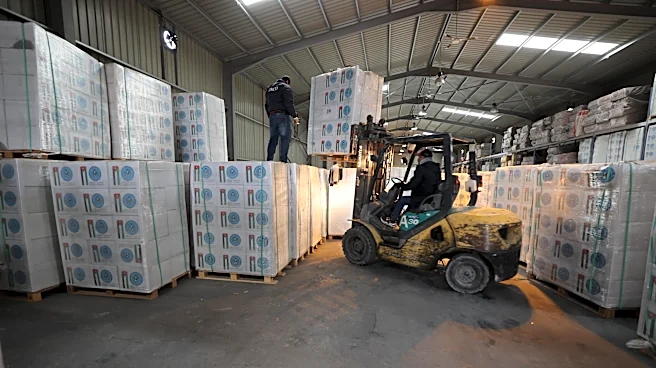
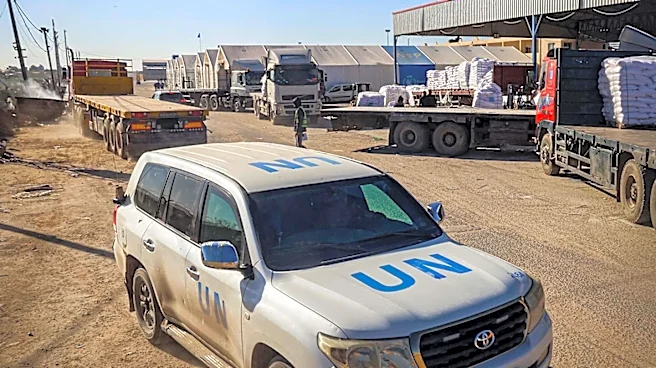
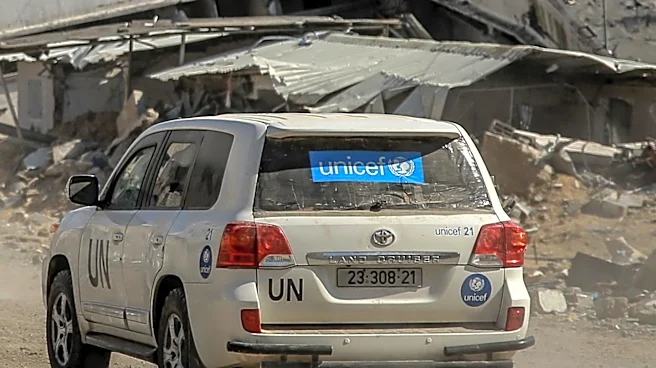
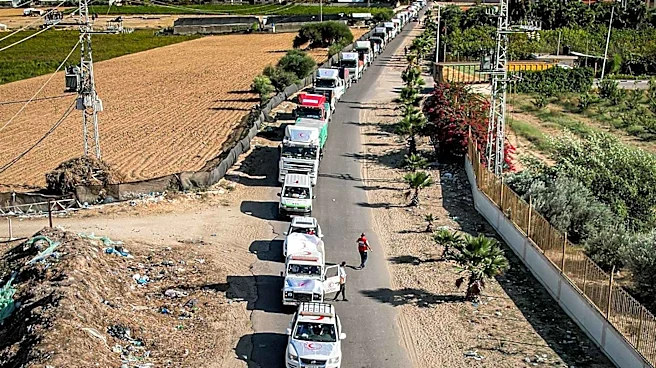
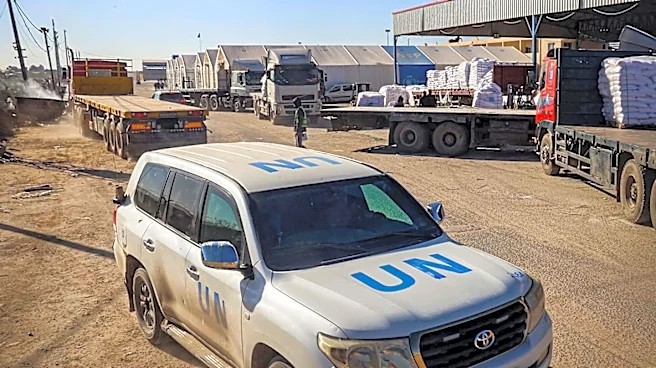
The United Nations World Food Programme (WFP) has announced a significant reduction in food aid to Gaza, cutting assistance by approximately one-third. This decision, attributed to funding shortages, will impact around half a million Palestinians who
rely on critical food assistance. The cuts include reducing food rations by half, meaning families will now receive one food parcel per month instead of two, and a smaller bag of wheat flour. Additionally, the WFP has decreased the number of daily hot meals provided from 250,000 to 150,000. Families in hard-to-reach areas, particularly near the yellow line of Israeli military control, will now receive hot meals every other day instead of daily. The value of cash assistance for 75,000 families will also be reduced. This comes as an estimated 1.4 million Palestinians, or 67% of Gaza’s population, are experiencing acute food insecurity at 'crisis levels or worse,' with 200,000 people in 'emergency conditions' requiring immediate food assistance to prevent deaths from hunger.
Why It's Important?
The reduction in food aid by the WFP is critical for the humanitarian situation in Gaza, where a significant portion of the population is already facing severe food insecurity. This cut exacerbates an already dire situation, potentially leading to increased malnutrition and hunger-related deaths, especially among vulnerable populations like children. The reliance on international aid for basic sustenance highlights the fragility of the region's food supply and the profound impact of ongoing conflicts and restrictions on daily life. The inability of families to afford even basic necessities due to soaring prices and lack of income underscores a deepening economic crisis. The situation also raises concerns about the effectiveness of international humanitarian efforts when faced with funding shortfalls and logistical challenges, potentially setting a precedent for other conflict-affected regions.
What's Next?
The immediate consequence of these cuts will likely be a further deterioration of food security for hundreds of thousands of Palestinians in Gaza. Humanitarian organizations, including Islamic Relief, are working to provide assistance, but the scale of the need is immense. The UN Office for the Coordination of Humanitarian Affairs notes that nearly the entire population is living in deteriorated tents and makeshift shelters, bracing for a fourth winter without adequate protection. The continued restrictions on aid entry by Israel, including reconstruction materials and shelter supplies, will further complicate efforts to provide adequate housing and support. The international community will face increased pressure to address the funding gaps and advocate for unimpeded humanitarian access to prevent a worsening humanitarian catastrophe.
Beyond the Headlines
The ongoing food crisis in Gaza, exacerbated by aid reductions, points to deeper issues of protracted conflict, economic blockade, and the weaponization of essential resources. The report by a UN Independent International Commission of Inquiry concluding that Israel is continuing to 'commit genocidal acts' through engineered starvation, even after a ceasefire agreement, highlights the severe ethical and legal dimensions of the situation. The reliance on a privatized 'aid distribution' system, like the Gaza Humanitarian Foundation (GHF), which reportedly became 'death traps' for Palestinians, raises serious questions about accountability and the protection of civilians in conflict zones. The soaring prices of basic goods due to arbitrary closures of crossings further illustrate the systemic challenges that prevent self-sufficiency and perpetuate dependency on external aid, trapping the population in a cycle of vulnerability.