

What's Happening?
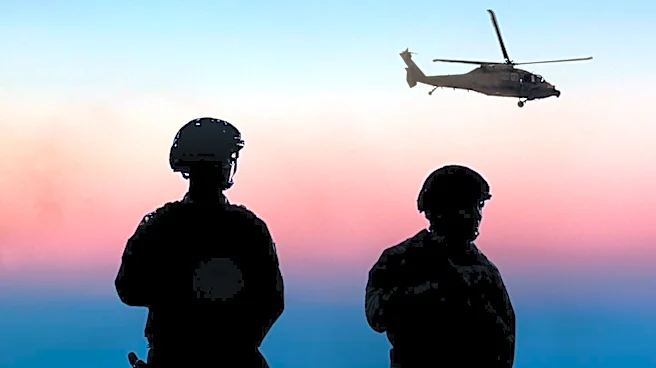
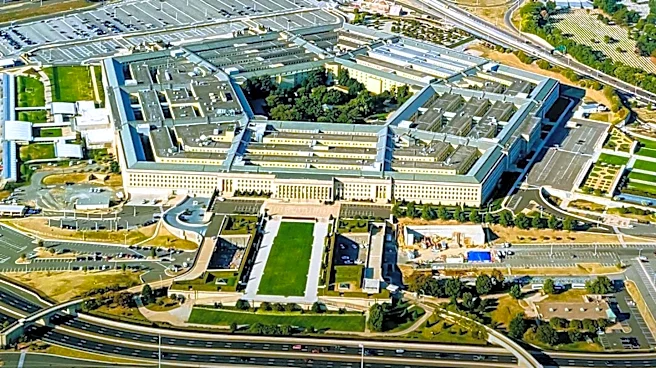
Internet influencers and professional boxers Jake Paul and his brother Logan Paul visited the Pentagon in September 2026. During their visit, they met with Defense Secretary Pete Hegseth and addressed military personnel. This engagement generated considerable
discussion and criticism from some who questioned the appropriateness of having social media personalities speak to service members. Despite the backlash, Jake Paul publicly defended his actions on social media, asserting his dedication to supporting Americans and highlighting the opportunities available through the American Dream. The visit aimed to connect with military members, though the choice of speakers led to varied reactions regarding the intersection of celebrity influence and military outreach.
Why It's Important?
This event is important as it highlights the evolving landscape of public engagement and communication strategies within U.S. government institutions, particularly the military. The decision to invite high-profile internet influencers like Jake and Logan Paul to the Pentagon reflects an attempt to reach a broader, younger demographic, potentially for recruitment or morale-boosting purposes. However, the ensuing criticism underscores a potential disconnect between traditional military values and modern celebrity culture. It raises questions about the effectiveness and appropriateness of leveraging social media personalities for official government interactions, and whether such engagements genuinely resonate with service members or merely generate controversy. The incident also reflects the growing influence of digital celebrities in mainstream discourse and their capacity to impact public perception of national institutions.
What's Next?
Following the mixed reactions to the Paul brothers' visit, the Department of Defense may re-evaluate its approach to engaging with public figures and influencers. Future engagements could see a more stringent vetting process or a clearer articulation of objectives to mitigate potential backlash. Social media personalities, in turn, might become more cautious about the nature of their collaborations with government entities, weighing the potential for positive impact against the risk of controversy. This event could also prompt a broader discussion within military and public relations circles about the most effective and respectful ways to communicate with and support service members in an increasingly digital and celebrity-driven world. The incident may also influence how other government agencies consider using influencers for public outreach.
Beyond the Headlines
The visit by Jake and Logan Paul to the Pentagon delves into deeper implications concerning the commodification of influence and the blurring lines between entertainment, public service, and national institutions. It raises ethical questions about the criteria for selecting individuals to address military personnel and the potential for such appearances to be perceived as publicity stunts rather than genuine support. The event also highlights a cultural shift where digital fame can grant access to traditionally exclusive spheres, challenging established norms of authority and respect. This incident could contribute to a re-evaluation of how the military maintains its image and communicates its values in an era dominated by social media, potentially leading to new policies on celebrity endorsements and public relations strategies that balance modern outreach with institutional integrity.