







What's Happening?
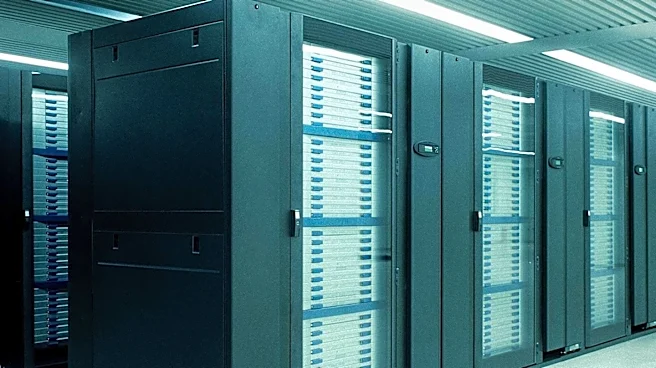
Several U.S. states are considering bans or temporary moratoriums on the construction of new data centers due to environmental concerns. These facilities, which are essential for supporting the global AI race, require significant amounts of electricity
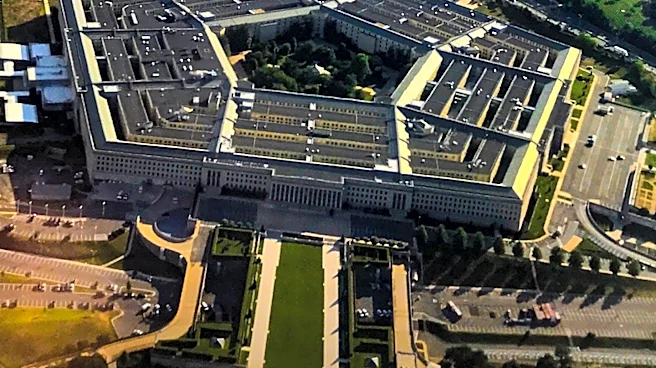
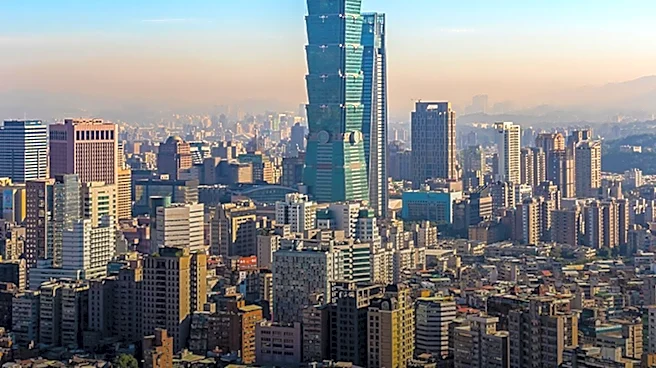
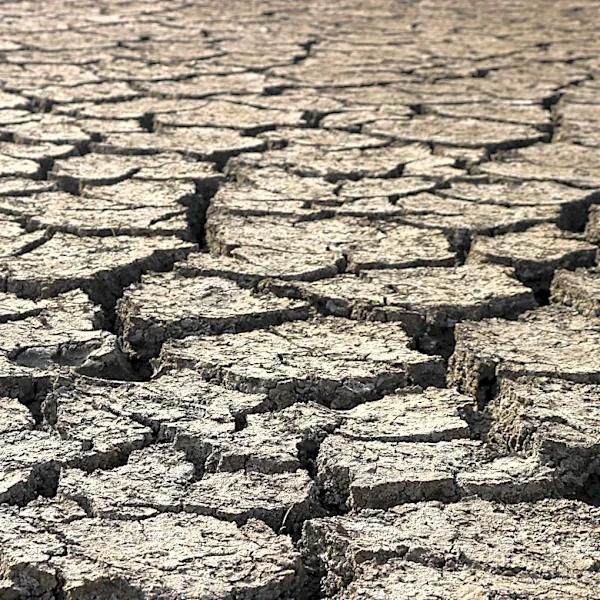
and water. Critics argue that a cautious approach is necessary to assess long-term impacts, while proponents, including the Trump administration, view data centers as crucial for maintaining AI dominance over China. Currently, 14 states are contemplating such measures, with some local municipalities already enacting bans. The Ogallala Aquifer, a critical groundwater resource, is a focal point of concern, as many proposed data centers are located near it.
Why It's Important?
The debate over data centers highlights the tension between technological advancement and environmental sustainability. Data centers are vital for supporting AI and other digital technologies, but their resource-intensive nature poses risks to critical water supplies like the Ogallala Aquifer. The potential depletion of such resources could have severe consequences for agriculture and local communities. Balancing the need for technological infrastructure with environmental preservation is crucial for sustainable development. The outcome of these legislative efforts could set precedents for how the U.S. manages the environmental impacts of digital infrastructure.
What's Next?
As states and municipalities continue to evaluate the impact of data centers, there may be increased calls for comprehensive oversight frameworks to manage their environmental footprint. Policymakers will need to consider the economic benefits of data centers against the potential environmental costs. Future legislation may focus on promoting sustainable practices within the industry, such as improving energy efficiency and water conservation. The ongoing discussions could also influence national policies on digital infrastructure and environmental protection.