



What's Happening?
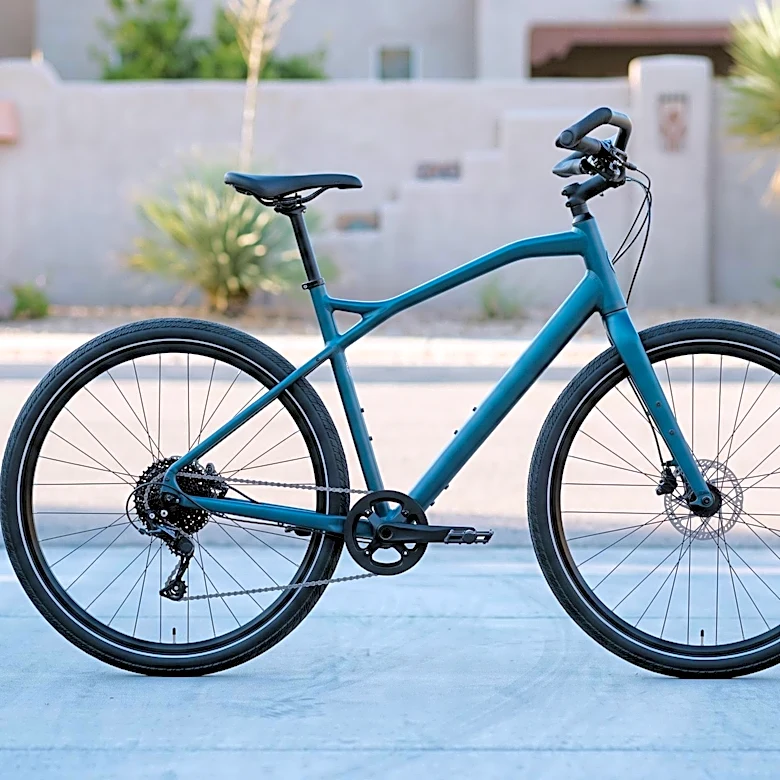
Two Santa Fe men, 26-year-old Kristian Dominguez and 35-year-old Jimmy Archuleta, have been charged with receiving or transferring stolen property after police apprehended them with stolen bicycles. Among the stolen items was a bicycle specially modified
for a 10-year-old boy with cerebral palsy, valued at $3,800. Another stolen bike was valued at $9,000. Both individuals were arrested over the weekend and subsequently booked into the Santa Fe County Adult Detention Center. The charges stem from their alleged possession of these high-value stolen bicycles.
Why It's Important?
This incident highlights the ongoing issue of property crime, specifically bicycle theft, which can have significant financial and emotional impacts on victims. The theft of a specially modified bicycle for a child with cerebral palsy is particularly impactful, as it deprives a vulnerable individual of a crucial piece of equipment that likely aids in their mobility and quality of life. The high value of the stolen bicycles also underscores the economic cost of such crimes. For the community, these arrests demonstrate law enforcement's efforts to combat theft and protect residents' property, potentially deterring future criminal activity and reinforcing public safety.
What's Next?
Kristian Dominguez and Jimmy Archuleta will face legal proceedings related to the charges of receiving or transferring stolen property. This will involve court appearances, potential plea bargains, and possibly a trial. Law enforcement will continue their investigation to determine if there are any broader networks involved in bicycle theft in Santa Fe. The recovery of the stolen bicycles, especially the one for the child with cerebral palsy, will be a priority. This case may also prompt discussions within the community and among law enforcement about strategies to prevent bicycle theft and support victims of such crimes.
Beyond the Headlines
Beyond the immediate legal consequences for the individuals involved, this incident touches upon broader societal issues. The theft of a specialized bicycle for a child with a disability underscores the vulnerability of certain community members and the importance of accessible equipment for their well-being. It also brings attention to the value of personal property, not just in monetary terms, but in its functional and emotional significance to individuals. This case could spark conversations about community vigilance, the role of technology in tracking stolen goods, and the need for robust support systems for victims of crime, particularly when specialized equipment is involved.