
What's Happening?
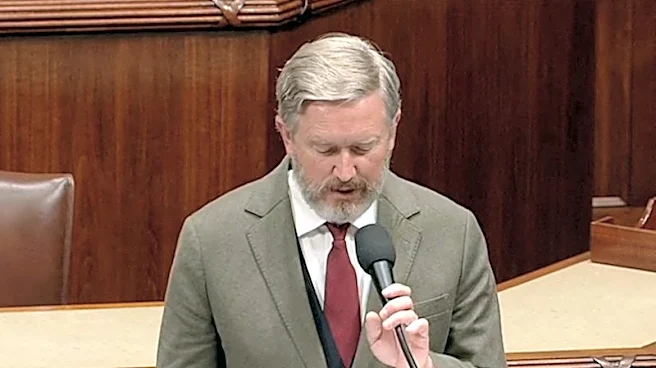
Rep. Ralph Norman, a Republican from South Carolina, has signed a discharge petition aimed at forcing a House vote on the Epstein Files Transparency Act II. This makes him the third Republican to support
the petition, joining 10 Democrats who signed on September 14. The petition now has a total of 117 signatures. The Epstein Files Transparency Act II seeks to enhance mechanisms for the release of records related to Jeffrey Epstein and establish new avenues for victims and officials to challenge the Justice Department regarding withheld or redacted documents. The petition requires 218 signatures to successfully force a vote, meaning it is currently 101 signatures short of the necessary threshold. Other Republican signers include Rep. Thomas Massie of Kentucky, who initiated the petition, and Rep. Nancy Mace of South Carolina. Notably, Lauren Boebert, who supported a previous Epstein files discharge petition despite opposition from the Trump White House, has not yet signed this new effort.
Why It's Important?
The bipartisan support for the Epstein Files Transparency Act II highlights a significant push within Congress for greater transparency regarding the Jeffrey Epstein case. The involvement of Republicans like Rep. Norman, alongside a substantial number of Democrats, indicates a shared legislative interest in uncovering more information and potentially holding accountable those involved or complicit. This effort could have a profound impact on public trust in the justice system, particularly concerning high-profile cases involving powerful individuals. For victims, the Act offers potential new avenues for justice and access to information that has previously been withheld or redacted. The success of this petition could set a precedent for future legislative actions aimed at increasing government transparency and accountability, especially in cases with widespread public interest and allegations of systemic cover-ups. The ongoing pursuit of these records underscores the persistent demand for answers and justice surrounding Epstein's activities.
What's Next?
The immediate next step for the Epstein Files Transparency Act II is to gather the remaining 101 signatures needed to reach the 218-member threshold for a discharge petition. This will require continued bipartisan outreach and lobbying efforts within the House of Representatives. If the petition successfully garners enough signatures, it would then force a vote on the Act, bypassing typical committee processes. The outcome of such a vote would depend on the broader support for transparency within the House. Should the Act pass, it would mandate stronger mechanisms for the release of Epstein-related records and create new avenues for victims and officials to challenge the Justice Department. Conversely, if the petition fails to reach the required number of signatures, the legislation may stall, potentially requiring alternative legislative strategies or renewed efforts in a future session. The actions of key stakeholders, including other House members and advocacy groups, will be crucial in determining the petition's fate.
Beyond the Headlines
The ongoing push for the Epstein Files Transparency Act II extends beyond the immediate legislative goal, touching upon deeper issues of government accountability, the protection of vulnerable populations, and the influence of powerful elites. The bipartisan nature of this effort suggests a recognition across the political spectrum that the Epstein case represents a failure of justice and a need for systemic reform. The Act's focus on challenging the Justice Department over withheld or redacted records highlights concerns about potential obstruction or insufficient transparency from federal agencies. This legislative initiative could contribute to a broader cultural shift towards demanding greater openness from government institutions, particularly in cases involving sexual abuse and exploitation. Furthermore, the continuous advocacy for the release of these files underscores the enduring impact of Epstein's crimes and the long-term struggle for justice faced by his victims, potentially influencing future legal frameworks for victim support and protection.