





What's Happening?
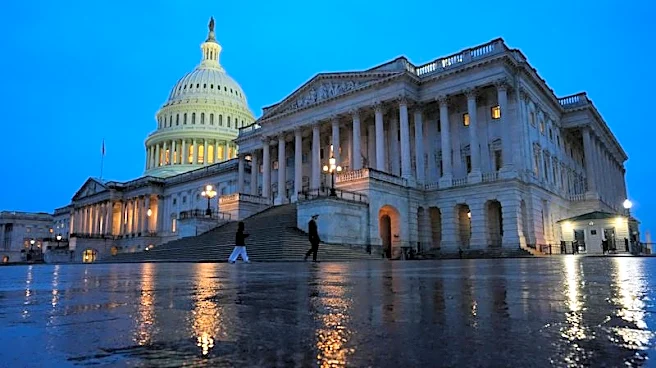
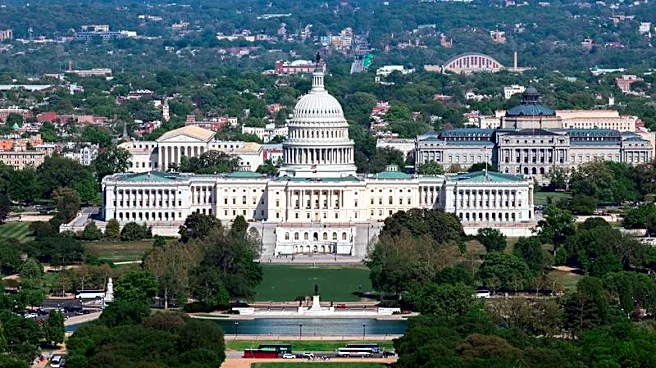
The U.S. Senate has unanimously passed a rule prohibiting senators from engaging in trading on prediction markets. This decision comes in response to growing concerns about insider trading on platforms like Kalshi and Polymarket, where event contracts
can involve sensitive topics such as elections, military actions, and other government activities. The move follows recent incidents, including the suspension and fining of a U.S. Senate candidate and two House candidates for political insider trading. Additionally, a U.S. Army Special Forces soldier was arrested for allegedly using classified information to place bets on Polymarket related to a military mission. The Commodity Futures Trading Commission has been urged by Democratic members of Congress to establish rules preventing insider trading and corruption in these markets.
Why It's Important?
The Senate's decision to ban trading on prediction markets is significant as it addresses the potential for insider trading and corruption within these platforms. By prohibiting senators from participating, the rule aims to enhance trust and integrity in the political and financial systems. This action could set a precedent for other government bodies and organizations to follow, potentially leading to broader regulatory measures in the prediction market industry. The involvement of military personnel in insider trading further underscores the need for stringent oversight to prevent the misuse of sensitive information for financial gain.
What's Next?
Following the Senate's decision, there is potential for similar measures to be considered in the House of Representatives. Both Kalshi and Polymarket have expressed support for the Senate's action, indicating a willingness to collaborate on further regulatory efforts. The Commodity Futures Trading Commission may also develop new rules to address insider trading and ensure fair practices in prediction markets. As these discussions progress, stakeholders in the financial and political sectors will likely monitor the impact of these regulations on market operations and investor behavior.