







What's Happening?
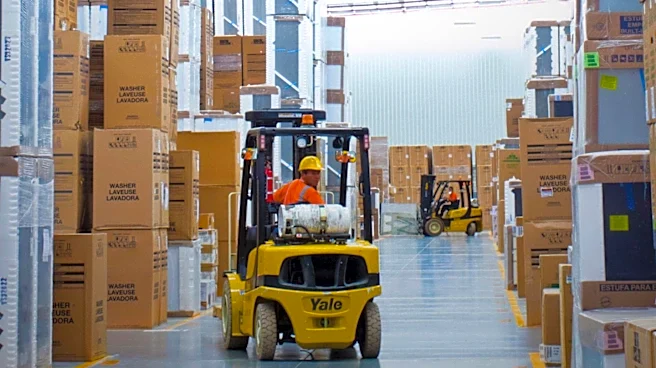
The Ministry of Transport and Communications (MTC) in Peru, through the National Port Authority (APN), is establishing a port logistics corridor to ensure the transportation of essential goods, priority cargo, and humanitarian aid. This initiative is a proactive
measure to mitigate potential disruptions to terrestrial routes caused by the El Niño Phenomenon. The corridor will integrate strategic port facilities across various regions, including Talara, Paita, La Libertad, Ancash, Lima, Callao, and Ica. The APN's action plan involves gathering technical information from port terminals, evaluating access routes, and identifying critical points related to rivers and ravines to maintain the operational and logistical continuity of the National Port System. The goal is to leverage existing port infrastructure to form an early response network, ensuring the supply and transfer of humanitarian aid to affected populations and supporting the country's logistical resilience during extreme climatic events.
Why It's Important?
This initiative is crucial for Peru's national resilience, particularly in the face of the El Niño Phenomenon, which can severely impact land-based transportation infrastructure. By establishing a robust maritime logistics corridor, the APN aims to prevent supply chain disruptions for essential goods and humanitarian aid, thereby safeguarding public welfare and economic stability. The project highlights the importance of strategic infrastructure planning and inter-agency coordination in disaster preparedness. It demonstrates a proactive approach to managing the consequences of natural disasters, which can have significant economic and social costs. The ability to maintain the flow of goods and aid through maritime cabotage when roads are compromised will be vital for supporting affected communities and ensuring the continuity of productive and commercial activities, minimizing the broader economic impact of such events.
What's Next?
The APN is actively strengthening coordination with various stakeholders, including port administrators, the Peruvian Navy, Provías Nacional, regional governments, and other transport and logistics entities. This coordination aims to identify available infrastructure for receiving and distributing humanitarian aid, as well as assessing transport units and operational capacities for emergency situations. The connectivity between main supply centers and the port terminals within the corridor is also being evaluated. Furthermore, monitoring of critical road corridors and alternate routes connecting major port terminals, especially in areas highly exposed to heavy rains and road interruptions like Piura, La Libertad, and Ancash, will be intensified. These ongoing efforts are designed to anticipate and implement measures that will maintain the flow of goods and supplies to potentially affected areas, ensuring a swift and effective response to future climatic events.
Beyond the Headlines
The establishment of this port logistics corridor reflects a broader strategic shift towards enhancing national resilience against climate-related disasters. Beyond immediate humanitarian concerns, this initiative could foster long-term improvements in Peru's overall logistics infrastructure and disaster response capabilities. It underscores the growing recognition of climate change impacts on national security and economic stability, prompting governments to invest in adaptive strategies. The project also highlights the potential for maritime transport to serve as a critical alternative in regions vulnerable to terrestrial disruptions, potentially influencing future infrastructure development and investment in coastal nations. This proactive approach could set a precedent for other countries facing similar environmental challenges, emphasizing the ethical imperative of safeguarding vulnerable populations through robust logistical planning.