






What's Happening?
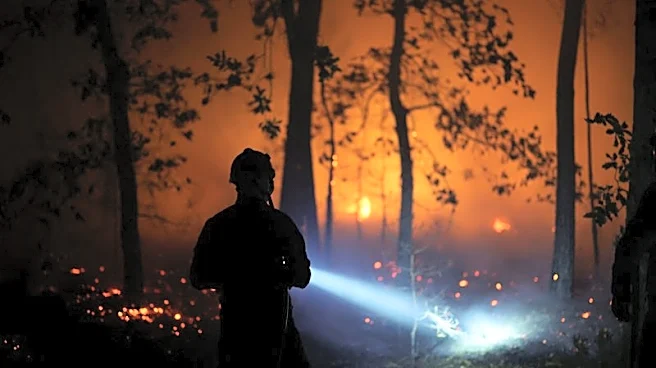
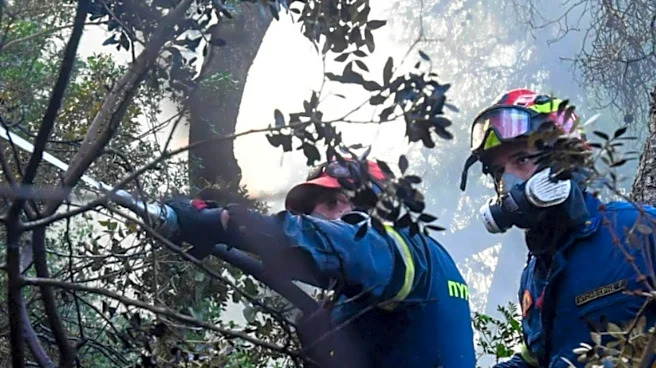
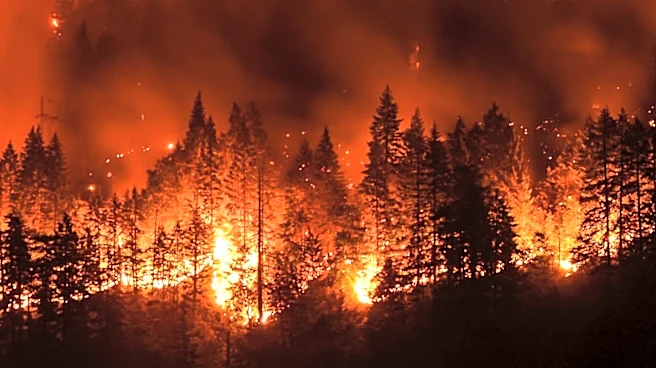
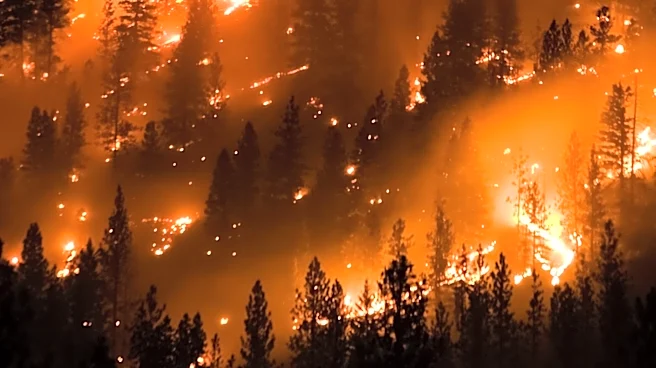
A significant wildfire in the Fontainebleau forest, located in Seine-et-Marne, France, remains uncontrolled as of Tuesday morning. The fire, which began late Sunday afternoon, has already ravaged approximately 1,500 hectares of land. A second fire ignited
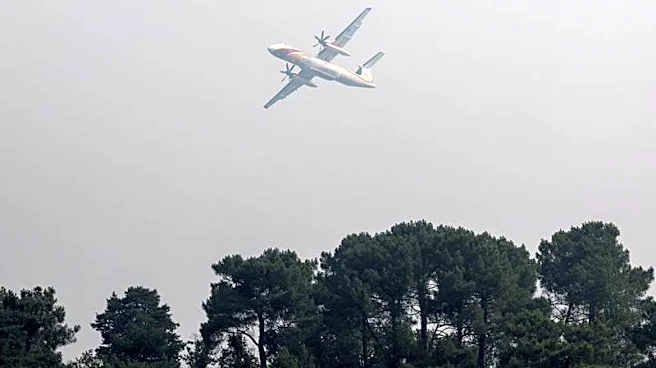
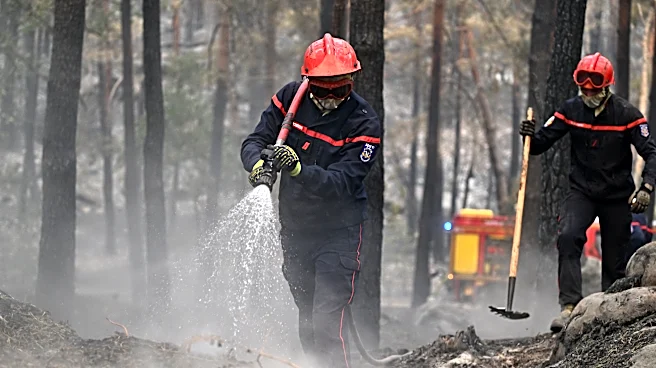
on Monday near the town of Fontainebleau, affecting an additional 300 to 400 hectares. In response, around 850 firefighters and 200 ground vehicles have been deployed to combat the blaze. The firefighting efforts are bolstered by four Canadair aircraft, two Dash water bombers, and three water-bombing helicopters, marking a first for the Île-de-France region. Despite the severity of the fires, local authorities have stated that the urban area of Fontainebleau is not currently threatened. However, as a precautionary measure, about a thousand people, including residents of a nearby campsite, have been evacuated. The A6 motorway remains closed near the town. Interior Minister Laurent Nuñez has indicated that the fire may have been started deliberately, with two individuals, including an 18-year-old man, taken into custody.
Why It's Important?
The ongoing fire in the Fontainebleau forest highlights the increasing frequency and intensity of wildfires, which are often exacerbated by climate change. The deployment of significant firefighting resources, including aircraft typically not used in the region, underscores the exceptional nature of this event. The evacuation of residents and the closure of major transportation routes like the A6 motorway illustrate the immediate impact on local communities and infrastructure. The potential criminal origin of the fire raises concerns about human activities contributing to environmental disasters. This incident serves as a reminder of the need for robust fire prevention strategies and the importance of addressing climate change to mitigate future risks.
What's Next?
Authorities will continue to monitor the situation closely, with firefighting efforts expected to persist until the fires are fully contained. Investigations into the cause of the fire will proceed, particularly focusing on the individuals in custody. The outcome of these investigations could lead to legal actions and potentially influence future policies on fire prevention and management. Local communities will need to assess the damage and begin recovery efforts once the fires are extinguished. The incident may prompt discussions on enhancing regional firefighting capabilities and improving emergency response strategies.
Beyond the Headlines
The Fontainebleau forest fire may have broader implications for environmental policy and public awareness regarding the impacts of climate change. The use of significant firefighting resources in a region unaccustomed to such events could lead to increased investment in firefighting infrastructure and technology. Additionally, the potential criminal aspect of the fire highlights the need for public education on the consequences of irresponsible behavior in natural areas. This event may also influence international discussions on climate change, emphasizing the need for global cooperation in addressing environmental challenges.