





What's Happening?
Nebraska Governor Jim Pillen's office has confirmed plans to sign a disaster declaration for areas significantly impacted by widespread flooding that occurred Wednesday night and Thursday morning. The declaration is expected to be signed on Thursday.
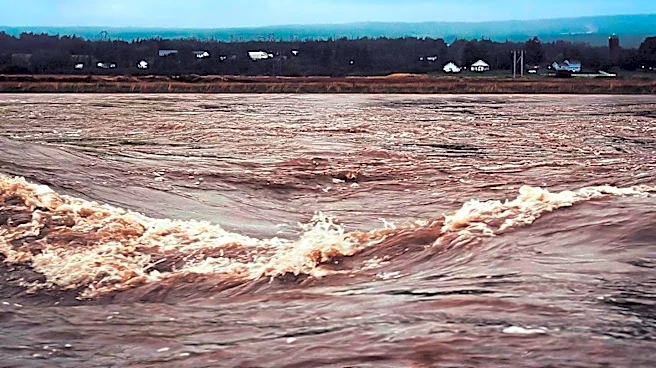
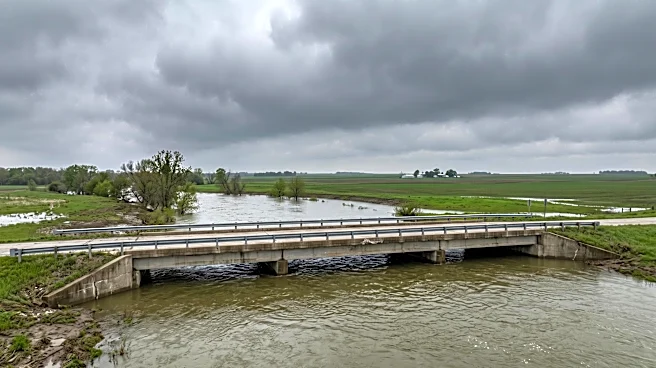
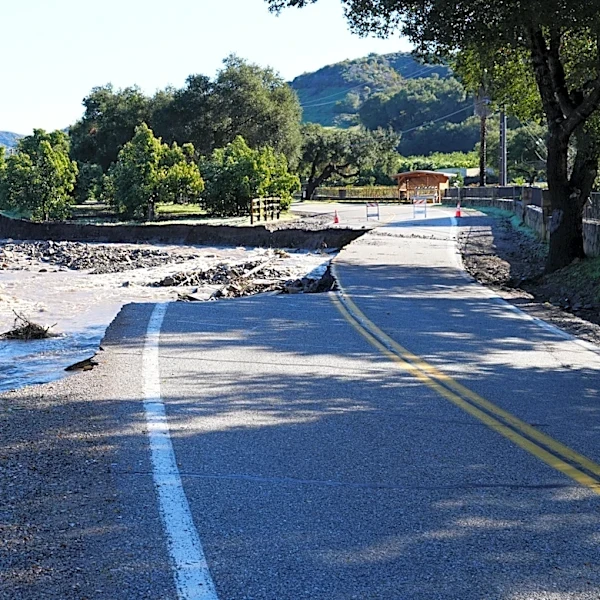
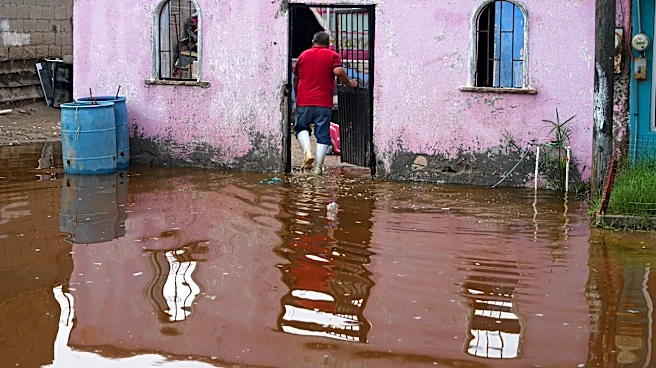
Emergency crews in Omaha rescued dozens of individuals from floodwaters, which reached depths of up to 8 feet in some areas. Similarly, Lincoln first responders aided over a dozen people following a historic downpour that led to extensive flooding across southeastern Nebraska. In central Nebraska, Adams County experienced over 3 inches of rain, though rivers, creeks, streams, and dams reportedly held without overflow. Officials are closely monitoring the Crystal Lake area in Ayr due to high water levels at the bridge over the Little Blue River. The Governor has been consistently updated on damage assessments and has directed state resources to be made available to address any emerging needs.
Why It's Important?
The impending disaster declaration by Governor Pillen is crucial for Nebraska as it will unlock vital state resources and potentially federal aid to assist in recovery efforts. The widespread flooding has caused significant disruption, including road closures, power outages affecting thousands, and challenges for public services like school transportation. The scale of the event, with floodwaters reaching considerable depths and necessitating numerous rescues, highlights the immediate and severe impact on public safety and infrastructure. For residents and businesses in affected areas, the declaration means access to support for damages and rebuilding. The event also underscores the vulnerability of urban and rural infrastructure to extreme weather, prompting questions about long-term resilience and preparedness strategies in the face of increasingly unpredictable climate patterns.
What's Next?
Following Governor Pillen's signing of the disaster declaration, state agencies will likely accelerate the deployment of resources to the affected regions. This will involve continued assessment of damages, coordination of relief efforts, and potentially the application for federal disaster assistance if the scale of the damage warrants it. Local authorities will focus on clearing debris, repairing damaged infrastructure, and ensuring the safety of residents. The National Weather Service and local officials will continue to monitor river and creek crest levels, as the flooding threat may persist even with reduced rainfall. Residents are advised to remain vigilant, avoid flooded areas, and follow local emergency instructions. The long-term recovery will involve significant efforts in rebuilding and potentially re-evaluating urban planning and drainage systems to mitigate future flood risks.
Beyond the Headlines
This flooding event in Nebraska, described as a '100-year event' by Omaha officials, brings to light the broader implications of extreme weather on community resilience and infrastructure. The challenges faced by emergency services in conducting numerous water rescues and managing widespread disruptions highlight the need for robust disaster preparedness and response mechanisms. The incident also raises questions about the adequacy of existing infrastructure, designed for less severe weather events, in the face of changing climate patterns. The economic impact on local businesses and the agricultural sector, particularly in central Nebraska, could be substantial, affecting livelihoods and regional stability. Furthermore, the event may prompt a re-evaluation of zoning and development policies, especially concerning residential and commercial constructions in flood-prone areas, to enhance long-term sustainability and safety.