







What's Happening?
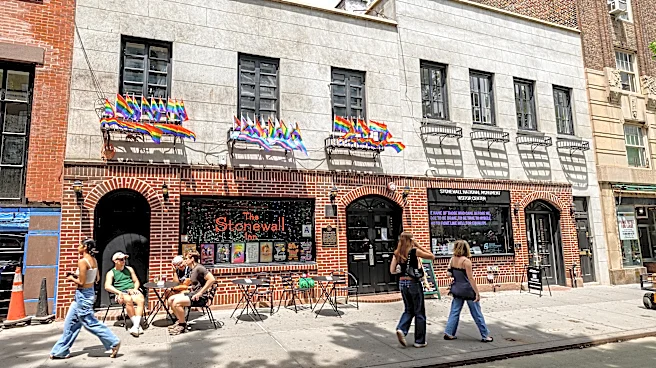
Pride Month celebrations are culminating with major parades in New York City and San Francisco, marking the anniversary of the 1969 Stonewall uprising, a pivotal event in the LGBTQ+ rights movement. These events are not only celebrations but also serve
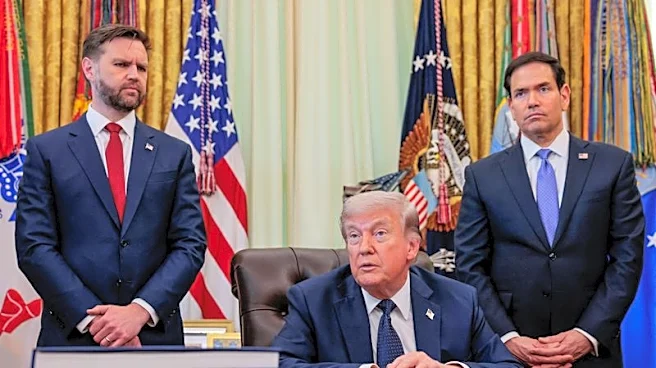
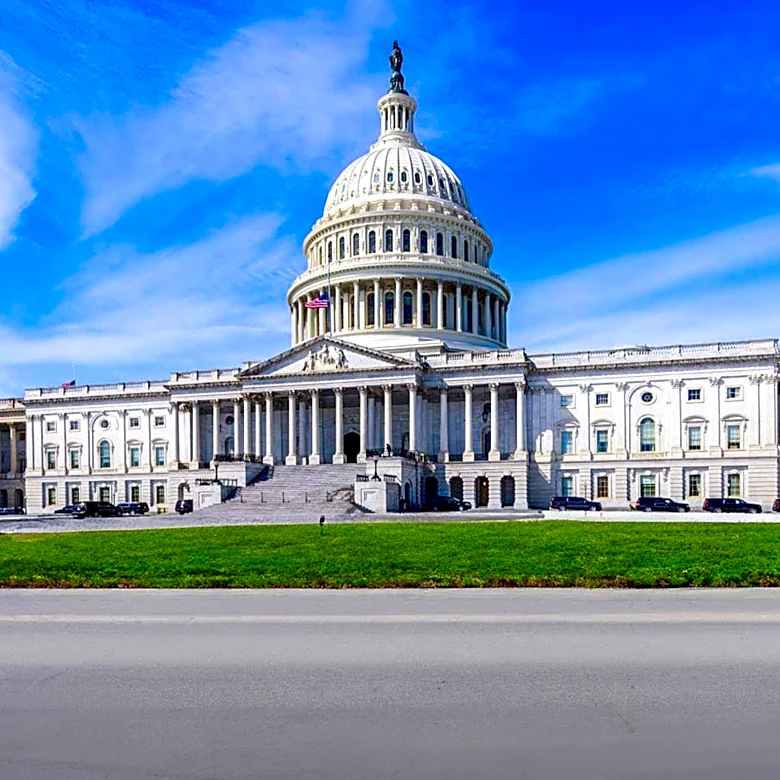
as platforms for advocacy, reflecting current political and cultural climates. This year, the parades occur amidst actions by President Trump's administration to roll back transgender rights and diversity initiatives, including the removal of a rainbow Pride flag from the Stonewall National Monument. In response, organizers emphasize the importance of maintaining safe spaces for the LGBTQ+ community to express their presence and rights. Additionally, some Republican governors have declared June as 'Nuclear Family Month' as a counter to Pride, and Vice President JD Vance has criticized Major League Baseball's response to players wearing Bible verses on Pride Night caps.
Why It's Important?
The Pride parades in NYC and San Francisco are significant as they highlight the ongoing struggle for LGBTQ+ rights in the face of political opposition. The events serve as a reminder of the community's resilience and the need for continued advocacy. The actions of the Trump administration and certain Republican leaders underscore the challenges faced by the LGBTQ+ community, particularly regarding transgender rights. These parades not only celebrate diversity but also call attention to the need for policy changes and societal acceptance. The participation of major cities in these events reflects a broader cultural and political dialogue about inclusion and equality in the United States.
What's Next?
As the parades conclude, the focus will likely shift to the political and legal battles surrounding LGBTQ+ rights. Activists and organizers may continue to pressure institutions and policymakers to uphold and expand protections for the community. The response from political leaders and the public will be crucial in shaping future policies. Additionally, the ongoing discussions about the role of corporations and institutions in supporting LGBTQ+ rights will likely continue, especially in light of recent controversies involving healthcare providers and their treatment of transgender youth.