

What's Happening?
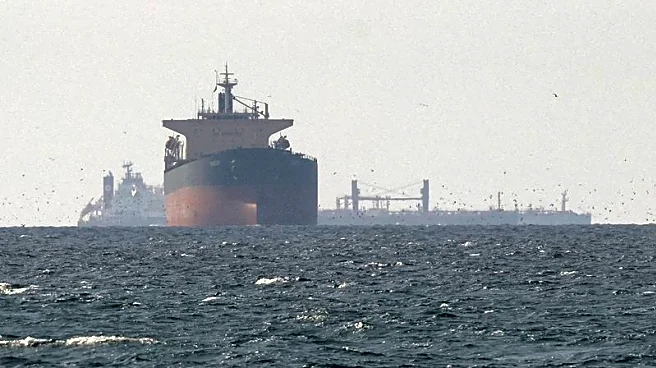
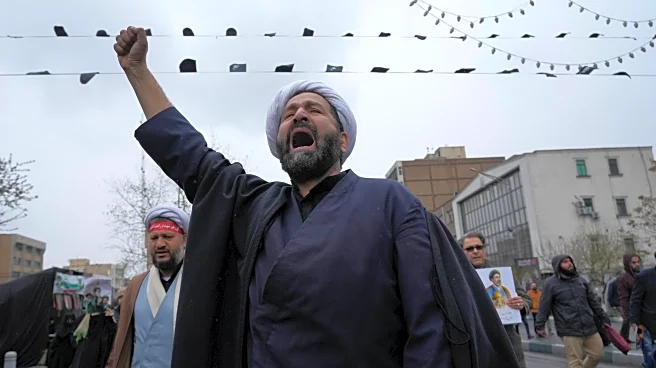
President Trump has urged Americans to leave Iraq as tensions escalate in the region. The Strait of Hormuz, a critical shipping lane, has been paralyzed by Iran for over two weeks, despite ongoing U.S. and Israeli military strikes. Oil prices have surged
above $100 per barrel, exacerbating global economic concerns. President Trump has called on other countries to assist in reopening the strait, but there have been no immediate offers of help. The situation remains tense, with potential implications for global oil supply and regional stability.
Why It's Important?
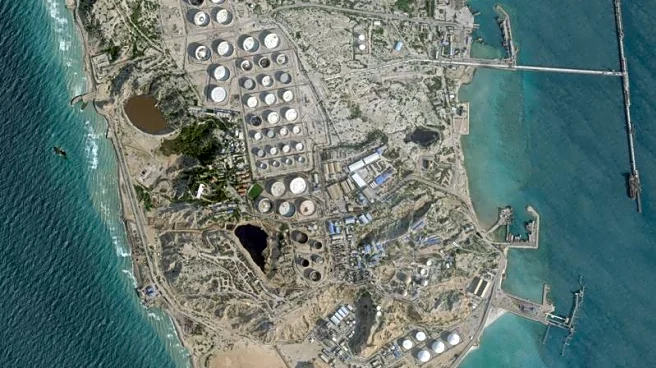
The closure of the Strait of Hormuz, through which a significant portion of the world's oil supply passes, poses a major threat to global energy markets. The disruption has already led to increased oil prices, which could have ripple effects on the global economy, affecting everything from transportation costs to consumer prices. The U.S. urging its citizens to leave Iraq highlights the severity of the situation and the potential for further escalation. The lack of international response to President Trump's call for assistance underscores the complexity of the geopolitical landscape and the challenges in forming a unified approach to the crisis.
What's Next?
The international community may face increased pressure to address the situation in the Strait of Hormuz. Diplomatic efforts could intensify as countries seek to de-escalate tensions and ensure the free flow of oil. The U.S. may consider additional military or economic measures to counter Iran's actions. Meanwhile, oil-importing countries might explore alternative energy sources or increase strategic reserves to mitigate the impact of supply disruptions. The situation could also lead to broader discussions on energy security and the need for diversified energy sources to reduce dependence on vulnerable shipping lanes.