







What's Happening?
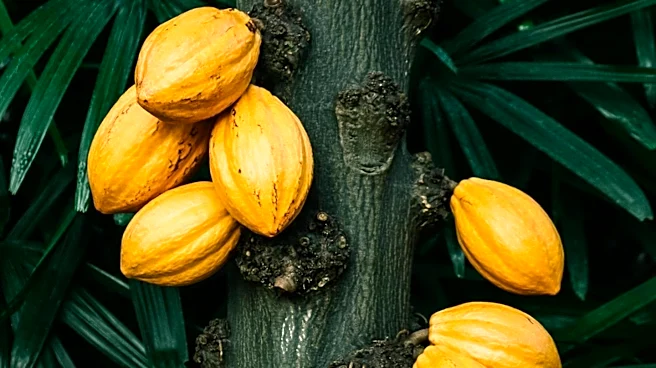
Pennsylvania State University has moved a CRISPR-edited cacao plant, engineered for resistance to black pod disease, into field trials in Hawaii and Puerto Rico. These trials are being conducted in collaboration with the U.S. Department of Agriculture.
The university also announced on October 27, 2026, that it has licensed this technology to AgroNetica, an agricultural biotechnology company specializing in cacao. Black pod disease, caused by Phytophthora pathogens, is a significant threat to the global chocolate supply, destroying approximately 30% of the world's cacao crop annually and killing up to 10% of trees in severely affected areas. The research, led by Mark Guiltinan and Siela Maximova, involved altering a single gene, TcNPR3, which typically suppresses the plant's immune system. By deactivating this gene, the plant's natural defenses against the disease are partially activated without introducing foreign DNA. This precise gene editing involved changing only two bases in the cacao plant's 450 million DNA bases. The resulting plants are not classified as genetically modified organisms under current U.S. and E.U. regulations for gene-edited crops, as conventional crossbreeding was used to remove any laboratory machinery, leaving only the targeted DNA change.
Why It's Important?
This development is crucial for the U.S. agricultural sector and the global chocolate industry. Black pod disease significantly impacts cacao yields and farmer incomes, particularly for smallholder farmers in West Africa, Southeast Asia, and Latin America. By developing disease-resistant cacao, this initiative aims to stabilize the supply chain for chocolate, a major commodity. The precision of CRISPR gene editing offers a faster and more targeted approach to crop improvement compared to traditional breeding methods, which can take over a decade. The licensing agreement with AgroNetica signifies a pathway for commercialization, potentially bringing these improved cacao varieties to growers more efficiently. This could lead to more resilient cacao crops, reducing losses for farmers and ensuring a more consistent supply of raw materials for chocolate manufacturers, thereby impacting consumer prices and product availability. The fact that these plants are not classified as GMOs under current regulations could also ease their acceptance and deployment in various markets.
What's Next?
The immediate next step involves monitoring the field trials in Hawaii and Puerto Rico to confirm that the disease resistance observed in greenhouse and laboratory settings holds up in real-world growing environments against various Phytophthora strains. If these trials are successful, the likely subsequent phase would involve larger, multi-location trials in major commercial cacao-growing regions internationally. This would also entail navigating regulatory reviews in those markets, as rules for gene-edited crops vary globally. AgroNetica's commercial license extends beyond disease resistance to include traits like heat and drought tolerance, reduced cadmium accumulation, more compact tree architecture for mechanized harvesting, faster time to first harvest, and caffeine-free chocolate varieties. These additional traits are expected to reach growers on a longer timeline. The success of these trials could pave the way for widespread adoption of gene-edited cacao, potentially transforming cacao cultivation practices and the chocolate industry.
Beyond the Headlines
This advancement highlights the growing role of gene-editing technologies like CRISPR in addressing agricultural challenges and ensuring food security. The precise nature of the TcNPR3 gene edit, which only involved two DNA bases and did not introduce foreign DNA, raises important discussions about the classification and public perception of gene-edited crops versus traditional GMOs. This distinction could influence regulatory frameworks and consumer acceptance, potentially accelerating the adoption of such innovations. Furthermore, the broader scope of AgroNetica's pipeline, including traits for climate resilience (heat and drought tolerance) and food safety (lower cadmium accumulation), points to a future where biotechnology plays a critical role in adapting agriculture to environmental changes and meeting evolving consumer demands. This research also underscores the economic implications for regions heavily reliant on cacao production, offering a potential pathway to increased stability and profitability for farmers.