



What's Happening?
Democrats are expanding their midterm election strategy to include traditionally Republican states, aiming to capitalize on voter discontent over economic issues. This shift is driven by a desire to regain control of the House of Representatives and compete
for a Senate majority, which could potentially weaken President Trump's position in the final two years of his term. States like Kansas, where a Democrat has not won a Senate election in nearly a century, are now seeing competitive races. For instance, Democratic candidate Adam Hamilton in Kansas is focusing his campaign on the rising cost of living, citing instances where voters, including a 79-year-old man, have expressed support due to high diesel fuel prices. The Democratic Senatorial Campaign Committee, led by executive director Devan Barber, is actively expanding the map, forcing Republicans to defend seats in deeply conservative areas. This aggressive approach seeks to leverage economic concerns over traditional party loyalties.
Why It's Important?
This expanded Democratic strategy is significant because it challenges the traditional political landscape of the U.S., potentially altering the balance of power in Congress. By targeting states previously considered Republican strongholds, Democrats are attempting to create a broader path to a Senate majority and House control. A shift in congressional control could significantly impact President Trump's legislative agenda and influence the direction of national policy. The focus on economic discontent, such as the rising cost of living and the impact of tariff policy on farmers, indicates a strategic effort to appeal to a wider range of voters beyond typical Democratic bases. If successful, this approach could lead to a more competitive political environment in future elections, forcing both parties to address economic issues more directly and potentially reshape campaign strategies nationwide. The outcome of these midterm elections will be a crucial indicator of voter sentiment regarding the current administration's policies and the overall economic climate.
What's Next?
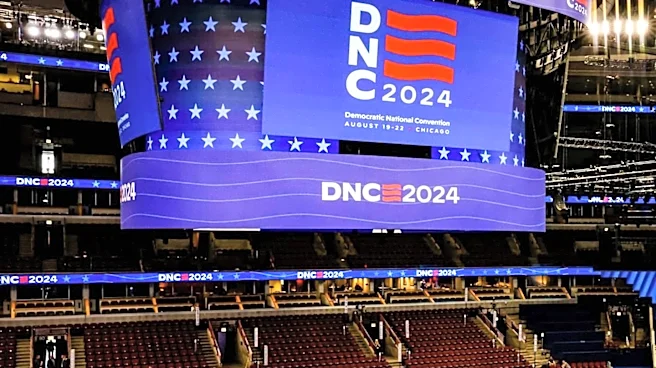
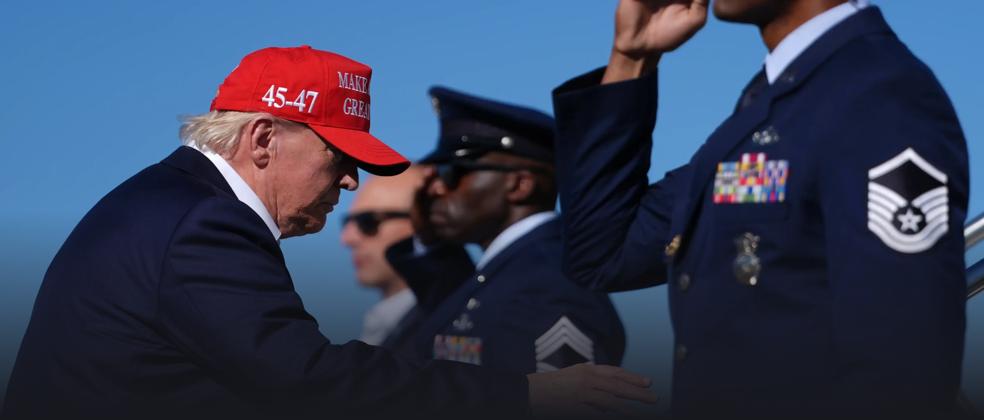
In the coming weeks, both Democratic and Republican parties will intensify their campaign efforts, focusing on key issues such as data centers, energy costs, and candidate debates. President Trump is expected to actively support Republican candidates in 35 critical races, aiming to maintain the party's control in Congress. The financial disparity between the Republican National Committee, which reported $130 million in cash, and the Democratic National Committee, with $16 million and an additional $18 million in debt, will play a role in campaign spending. Potential candidates for the 2028 presidential election, including Democrats Pete Buttigieg, Josh Shapiro, and Kamala Harris, and Republicans J.D. Vance and Ted Cruz, are also anticipated to become more involved in these races. The election outcome will largely depend on voter turnout, the prevailing economic sentiment, and the candidates' ability to convince voters that local issues are more important than national party affiliations. Democrats hope to convert dissatisfaction with President Trump's policies into electoral gains in traditionally 'red' states, while Republicans will work to mobilize their base and retain control.
Beyond the Headlines
The Democratic strategy of expanding into traditionally Republican states highlights a deeper shift in American political dynamics, where economic anxieties may be superseding long-held party loyalties. This approach suggests a potential re-evaluation of what constitutes a 'safe' political district, forcing both parties to adapt their messaging and policy platforms to address a more economically driven electorate. The emphasis on issues like the cost of living and the impact of tariffs on specific industries, such as farming, indicates a move towards more localized and tangible concerns rather than broad ideological appeals. This could lead to a more nuanced political discourse, where candidates are compelled to demonstrate practical solutions to everyday economic challenges. Furthermore, the willingness of some Democratic candidates to distance themselves from unpopular national party images, such as Adam Hamilton's stance on border policy, reflects a pragmatic effort to appeal to independent-minded voters. This trend could foster a more independent and less partisan voting bloc, potentially leading to more unpredictable election outcomes and a greater focus on candidate-specific platforms over party affiliations.