



What's Happening?
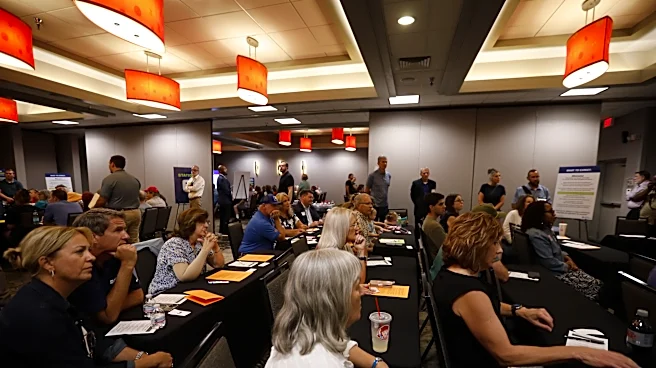
The Fort Worth Board of Adjustment has narrowly approved a zoning variance to increase the height of an existing cellular communications tower in the Haslet area. The vote was 9-2, with board regulations requiring nine affirmative votes for passage of variance requests.
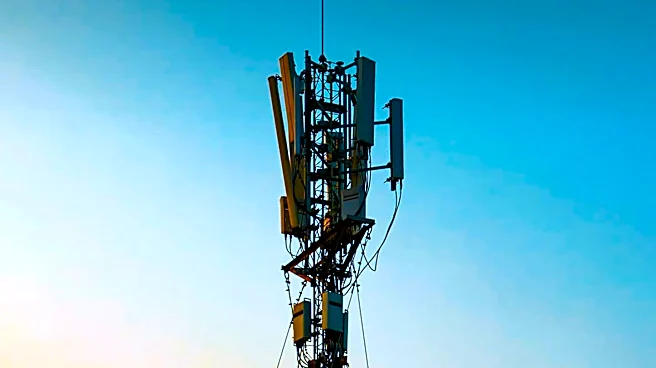
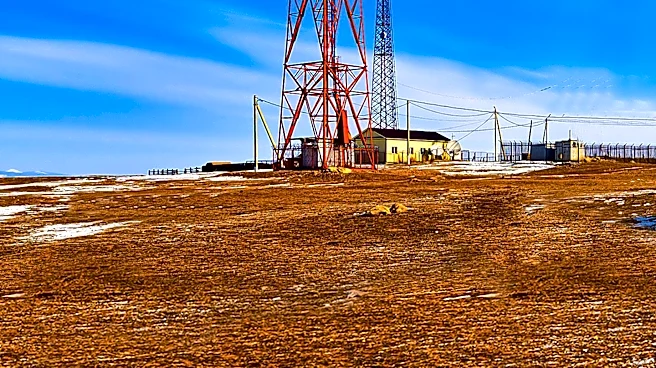
SBA Communications, representing Verizon, sought to raise the tower from its current 95 feet to 106 feet. The tower, located at 197 Barnwood Drive, is in an area zoned 'light industrial,' which typically limits tower height to 75 feet. A variance was previously granted in 2020 to allow the 95-foot height. The purpose of this latest increase is to accommodate Verizon's antennas, as AT&T and T-Mobile are already utilizing the tower. SBA Communications confirmed that the Federal Aviation Administration has cleared the requested height. Board members noted the industrial nature of the property and the benefit of using an existing tower rather than constructing a new one.
Why It's Important?
This decision is important for improving cellular service coverage in the Haslet area, particularly for Verizon customers. The approval allows for the expansion of critical communication infrastructure without the need for constructing an entirely new tower, which can be more disruptive and costly. The board's deliberation highlighted a tension between strict adherence to zoning ordinances and the practical need for enhanced public services like reliable cell phone coverage. While some board members expressed concerns about setting a precedent for variances without clear hardship, the majority ultimately prioritized the public benefit of improved connectivity. This reflects a broader challenge faced by municipalities in balancing urban planning regulations with the demands of modern technological infrastructure.
What's Next?
Following the approval, SBA Communications will proceed with increasing the tower's height to 106 feet to install Verizon's antennas. This will lead to improved cellular service for Verizon customers in the Haslet area. The discussion among board members also indicated a potential future action: an appeal to the zoning board to review and possibly change the existing ordinance regarding tower heights in industrial zones. Board members Kay Duffy and Michael Johnston suggested that the current regulations make it difficult to approve necessary infrastructure upgrades without a finding of unique hardship, even when there is a clear public benefit. Such a review could streamline future approvals for similar projects and better align zoning laws with contemporary communication needs.
Beyond the Headlines
The narrow approval of this variance underscores a growing challenge for local governments: how to adapt outdated zoning regulations to the rapid pace of technological advancement and public demand for connectivity. While the immediate impact is improved cell service, the underlying debate about 'hardship' versus 'public good' in zoning decisions has broader implications. It highlights the need for proactive urban planning that anticipates infrastructure requirements for evolving technologies. Furthermore, the decision to modify an existing tower rather than build a new one reflects an increasing emphasis on optimizing current resources and minimizing environmental and visual impact, a trend likely to continue as demand for connectivity grows.