





What's Happening?
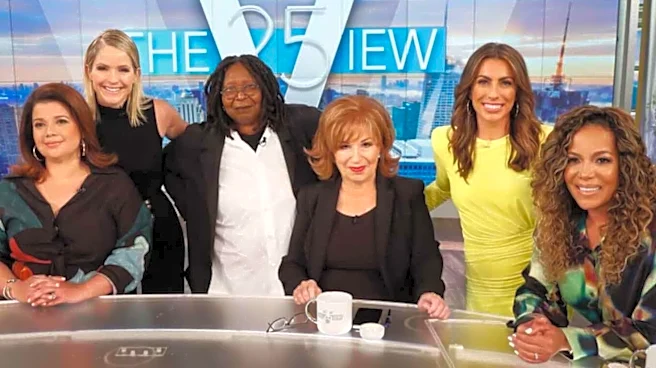
The Federal Communications Commission (FCC) has been inundated with over 16,000 public comments regarding its review of ABC's daytime talk show, 'The View.' This surge in feedback follows ABC's campaign to garner public support for its petition to classify
'The View' as a 'bona fide' news program. The FCC's scrutiny comes after it issued guidance in January, stating that talk shows would not be exempt from equal opportunities requirements mandated by Congress. This rule ensures equal access to broadcast facilities for political candidates. ABC, supported by various civil rights and media organizations, argues that the FCC's actions, led by Chairman Brendan Carr, are politically motivated and infringe on free speech rights. The controversy centers on whether 'The View' qualifies for a news exemption, a status previously granted to 'The Tonight Show with Jay Leno' in 2006.
Why It's Important?
The FCC's investigation into 'The View' raises significant concerns about media freedom and government regulation. Critics argue that the FCC's actions could set a precedent for government overreach into media content, potentially stifling diverse viewpoints. This situation highlights the tension between regulatory oversight and free speech, with implications for how media organizations operate and present political content. The outcome of this review could affect not only ABC but also other media outlets that may face similar scrutiny. The case underscores the ongoing debate over media bias and the role of government in regulating broadcast content, which could impact public trust in media and influence future regulatory policies.
What's Next?
The FCC's review process includes deadlines for public comments and petitions related to ABC's broadcast license renewal. The public comment period for 'The View' ended recently, with replies due by July 6. The deadline for petitions to deny ABC's license renewal is June 29, with opposition due by July 29 and replies by August 5. As the FCC continues its investigation, media organizations and civil rights groups are likely to monitor the situation closely, potentially leading to legal challenges if the FCC's decisions are perceived as infringing on free speech rights. The outcome could influence future regulatory approaches to media content and political programming.