








What's Happening?
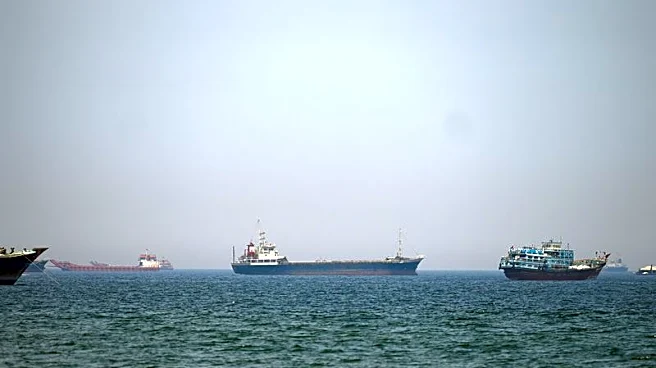
The World Bank has reported a significant increase in energy prices, projected to rise by 24% in 2026, following a substantial drop in global oil supply. This disruption is primarily attributed to attacks on energy infrastructure and shipping disruptions
in the Strait of Hormuz, a critical passage for global oil trade. The report highlights that the current situation has pushed oil prices to levels not seen since Russia's 2022 invasion of Ukraine. The World Bank projects Brent crude oil prices to average $86 a barrel in 2026, up from $69 in 2025. In a higher-risk scenario, prices could reach $115 a barrel if infrastructure damage persists. The energy price shocks are expected to affect other commodity markets, with natural gas and fertilizer prices also projected to rise significantly.
Why It's Important?
The rise in energy prices has broad implications for global and U.S. economies, potentially leading to increased costs for consumers and businesses. Higher energy prices can contribute to inflationary pressures, affecting everything from transportation to food production. The U.S., as a major consumer of global oil, may face economic challenges as higher energy costs could slow economic growth and increase the cost of living. Additionally, the situation underscores the vulnerability of global energy markets to geopolitical tensions and infrastructure disruptions, highlighting the need for diversified energy sources and increased energy security measures.
What's Next?
If the disruptions in the Strait of Hormuz continue, further increases in energy prices could be expected, potentially leading to more significant economic impacts. Policymakers may need to consider strategic reserves and alternative energy investments to mitigate the effects of such disruptions. The situation may also prompt discussions on international cooperation to ensure the security of critical energy infrastructure and shipping routes.