






What's Happening?
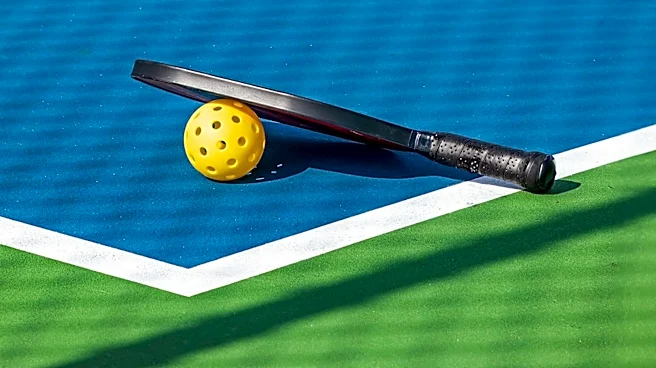
The town of Mashpee, Massachusetts, has instituted a new rule requiring pickleball players to use 'quiet balls' on its public courts, effective this summer. This decision comes after years of noise complaints from nearby residents, particularly Earnie
Barrows, who lives approximately 250 feet from the courts. Town Manager Rodney Collins implemented the rule, citing potential litigation over nuisance noise. The new mandate requires players to switch from traditional plastic pickleballs to noise-reducing foam or 3D-printed polymer options, which can be significantly more expensive. This change has generated considerable backlash from the local pickleball community, with over 600 people signing a petition to rescind the rule. Players argue that the quieter balls fundamentally alter the game, making it less enjoyable and potentially leading to a decline in participation. The dispute highlights a growing tension in communities across the U.S. as the popularity of pickleball rises, often leading to conflicts over noise levels in residential areas.
Why It's Important?
This development in Mashpee is important as it reflects a broader national trend of communities grappling with the noise generated by the rapidly growing sport of pickleball. The implementation of a 'quiet ball' rule, despite significant player opposition, sets a precedent for how municipalities might address such conflicts. For the sports industry, this could spur innovation in equipment design, leading to the development of more noise-friendly pickleball gear. However, it also poses a challenge to the sport's accessibility and growth, as specialized, more expensive equipment could deter new players or force existing ones to seek courts in other towns. For residents living near pickleball facilities, this case demonstrates that local governments are willing to intervene to protect quality of life, potentially encouraging similar actions in other communities. The situation underscores the need for urban planners and recreational departments to consider noise impact when developing or expanding sports facilities, especially in residential zones.
What's Next?
The immediate future will likely see continued debate and potential protests from Mashpee's pickleball community regarding the 'quiet ball' rule. Players have indicated they may move their games to neighboring towns, which could impact local recreational programs and businesses. Town Manager Rodney Collins has stated he stands by his decision, suggesting the rule will remain in effect despite the criticism. The situation could escalate to legal challenges, as the initial decision was partly driven by the threat of a lawsuit from a resident. Other communities facing similar noise complaints from pickleball courts will be closely watching Mashpee's experience, potentially adopting similar regulations or exploring alternative solutions like improved sound barriers or restricted playing hours. The incident may also prompt USA Pickleball or equipment manufacturers to further research and promote quieter ball alternatives that maintain game integrity.
Beyond the Headlines
Beyond the immediate conflict, the Mashpee pickleball dispute touches on deeper societal issues related to community planning, public space utilization, and the balance between recreational activities and residential tranquility. The rapid rise of pickleball, often described as the fastest-growing sport in America, has outpaced the development of appropriate infrastructure and noise mitigation strategies. This situation highlights a cultural clash between the desire for active lifestyles and the expectation of peace and quiet in residential areas. It also raises questions about the role of local government in mediating such disputes and the extent to which individual complaints should influence public policy affecting a larger group. The economic implications for local businesses that benefit from sports tourism or equipment sales could also be significant if players opt to play elsewhere. Ultimately, this case serves as a microcosm of the challenges faced by communities nationwide in adapting to new recreational trends while preserving neighborhood harmony.