





What's Happening?
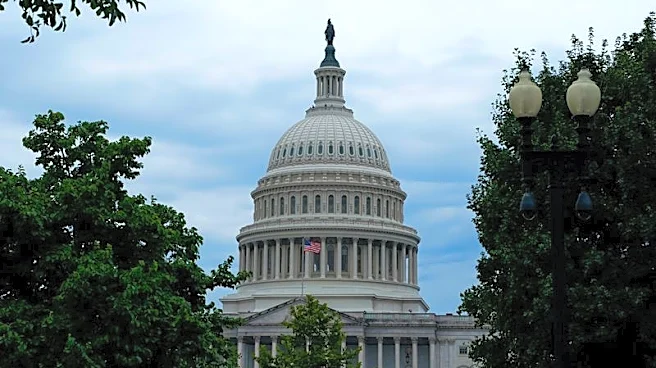
A U.S. Congressional delegation, led by Congressman Brett Guthrie, recently met with Rwandan President Paul Kagame to discuss strengthening bilateral cooperation in key sectors such as healthcare, energy, and investment. The delegation included Representatives
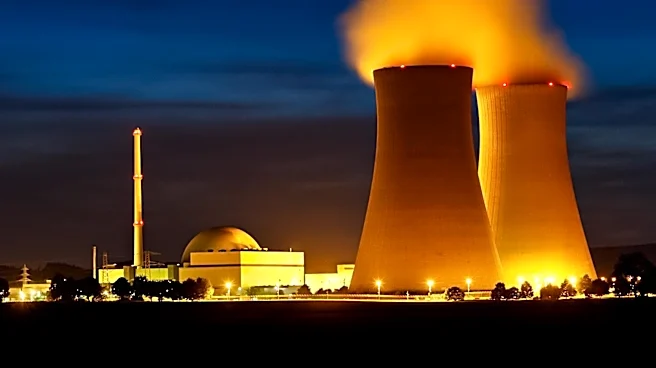
Troy Carter, Morgan Griffith, Russ Fulcher, Jay Obernolte, Cliff Bentz, Craig Goldman, and Julie Fedorchak. The discussions focused on Rwanda's development journey and opportunities to expand cooperation. The United States is a significant development partner for Rwanda, with collaborations spanning various sectors. In May 2026, Rwanda and the U.S. signed an agreement to advance cooperation in nuclear energy, including a partnership with Holtec International to supply Small Modular Reactors (SMRs) to Rwanda. Additionally, a $228 million health cooperation agreement was signed in 2025 to strengthen Rwanda's healthcare system. American investments in Rwanda have been growing, with the U.S. investing approximately $441.3 million across 31 projects in 2024.
Why It's Important?
The meeting between the U.S. Congressional delegation and President Kagame underscores the strategic importance of Rwanda as a partner in Africa for the United States. Strengthening ties in sectors like healthcare and energy not only supports Rwanda's development goals but also aligns with U.S. interests in promoting stability and economic growth in the region. The collaboration in nuclear energy, particularly with Holtec International, highlights the potential for technological and infrastructural advancements in Rwanda, which could serve as a model for other African nations. The health cooperation agreement aims to bolster Rwanda's healthcare system, potentially improving public health outcomes and fostering resilience against future health challenges. The growing American investment in Rwanda signifies confidence in the country's economic prospects and could lead to increased trade and economic opportunities for both nations.
What's Next?
Following the discussions, it is anticipated that both countries will continue to explore and implement specific projects within the agreed sectors. The deployment of Holtec International's SMR-300 reactors is expected to progress, with Rwanda aiming to have its first small modular nuclear reactor operational by early 2030. This development could pave the way for further energy collaborations and innovations. In healthcare, the implementation of the $228 million cooperation agreement will likely focus on enhancing healthcare infrastructure and services in Rwanda. Continued American investment in Rwanda is expected, potentially leading to new partnerships and projects that could further integrate the two economies. Monitoring the outcomes of these agreements and investments will be crucial in assessing their impact on Rwanda's development and the broader U.S.-Rwanda relationship.