




What's Happening?
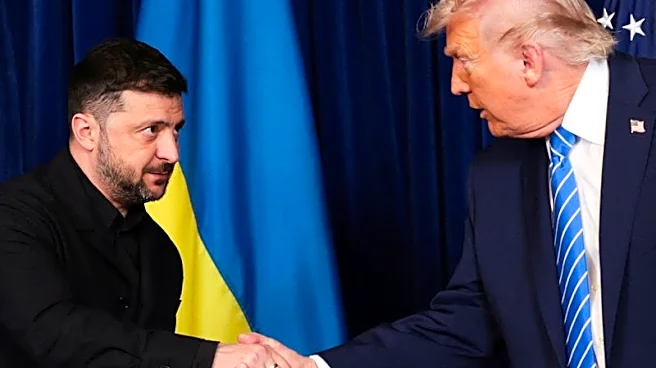
Democratic lawmakers are intensifying their focus on corruption within the U.S. political system, particularly highlighting the ethical concerns surrounding President Trump's administration. Since taking office in 2017, President Trump has faced scrutiny
over financial and foreign entanglements, with Democrats arguing that these issues extend beyond the presidency to the entire political framework. Figures like Sen. Jon Ossoff have criticized the 'Mar-a-Lago Mafia' for elevating corruption, while others, such as Rep. Jamie Raskin, emphasize the need for anti-corruption reforms. Despite these efforts, public perception remains divided, with many voters viewing corruption as a systemic issue rather than isolated incidents. The Democratic agenda includes proposals to prevent presidential profiteering from foreign influence and public office, alongside broader reforms targeting perceived structural corruption.
Why It's Important?
The focus on corruption is significant as it addresses a widespread public concern that transcends party lines. According to recent polls, a vast majority of Americans, regardless of political affiliation, view corruption as a major problem. This perception impacts voter trust and engagement, influencing electoral outcomes and policy priorities. The Democratic push for reform aims to restore public confidence in governance by addressing both specific allegations against President Trump and broader systemic issues. Successful implementation of these reforms could lead to increased transparency and accountability in government, potentially reshaping the political landscape and affecting future elections.
What's Next?
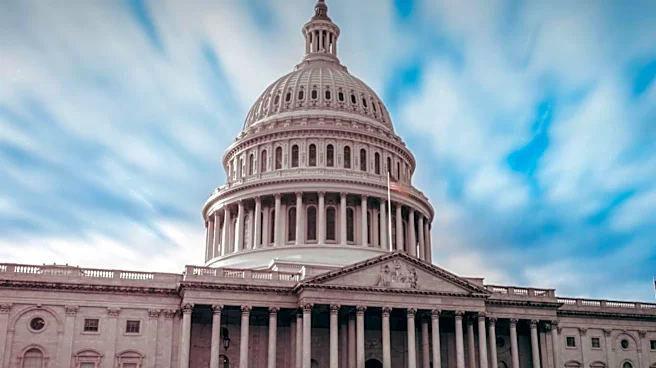
If Democrats gain control of Congress, they plan to prioritize oversight of the Trump administration, focusing on investigations and public messaging rather than legislative changes, given the president's veto power. Proposed reforms include preventing presidential profiteering and addressing broader corruption concerns. However, Republican opposition and skepticism about Democratic credibility on corruption issues may pose challenges. The outcome of these efforts will depend on electoral results and public support for anti-corruption measures.