




What's Happening?
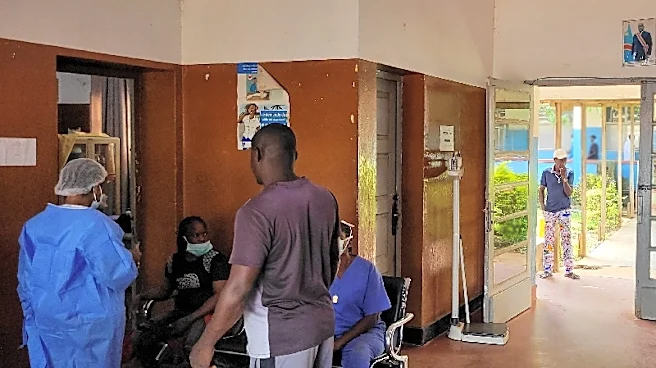
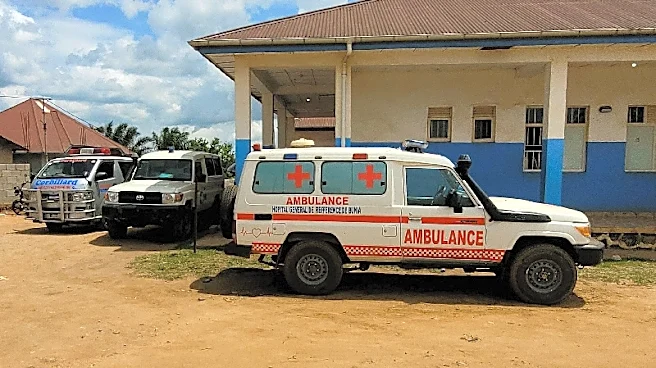
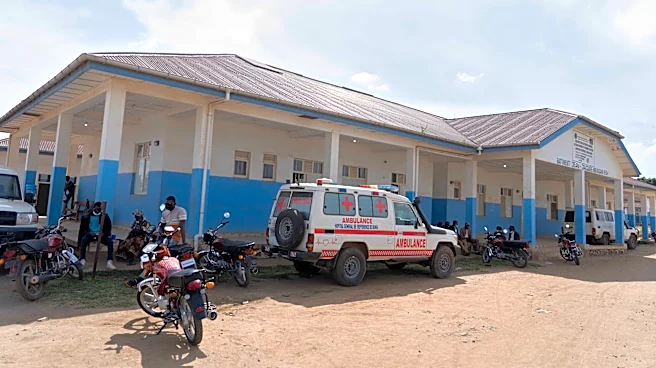
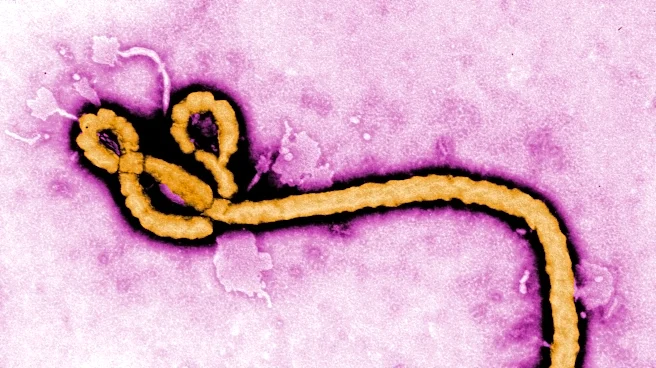
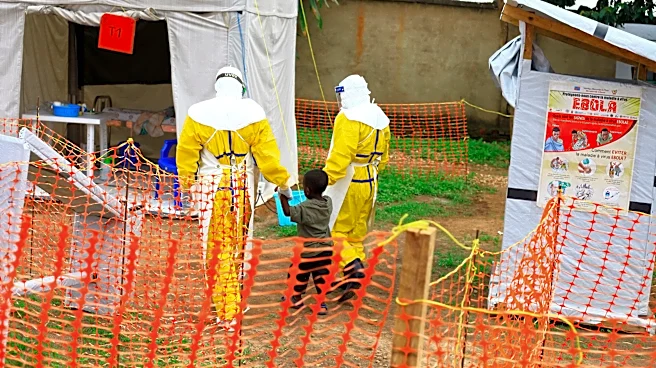
The Centers for Disease Control and Prevention (CDC) is actively coordinating the safe withdrawal of at least six Americans who were exposed to the Ebola virus in the Democratic Republic of Congo. According to sources from international aid organizations,
three of these individuals faced high-risk exposure, with one showing symptoms. The World Health Organization (WHO) has declared the outbreak a 'public health emergency of international concern,' with over 300 suspected cases and 80 reported deaths. The CDC has issued travel advisories for Americans in Congo and Uganda, advising enhanced precautions. The Ebola virus, which spreads through direct contact with bodily fluids, poses a low risk to the American public, according to the CDC.
Why It's Important?
The exposure of Americans to the Ebola virus in Congo highlights the ongoing global health challenges posed by infectious diseases. The CDC's involvement underscores the importance of international cooperation in managing health crises. The outbreak's classification as a public health emergency by the WHO indicates the potential for widespread impact, necessitating vigilant monitoring and response strategies. The situation could affect travel and international relations, as well as public health policies in the U.S. The low risk to the American public is reassuring, but the situation demands continued attention to prevent any potential spread.
What's Next?
The CDC is expected to continue coordinating the withdrawal and monitoring of the exposed Americans. Decisions regarding their quarantine or isolation will be crucial in preventing any potential spread of the virus. The WHO and CDC will likely maintain close surveillance of the outbreak's progression, adjusting travel advisories and response measures as needed. The international community may increase support for affected regions to contain the outbreak and prevent further transmission.