




What's Happening?
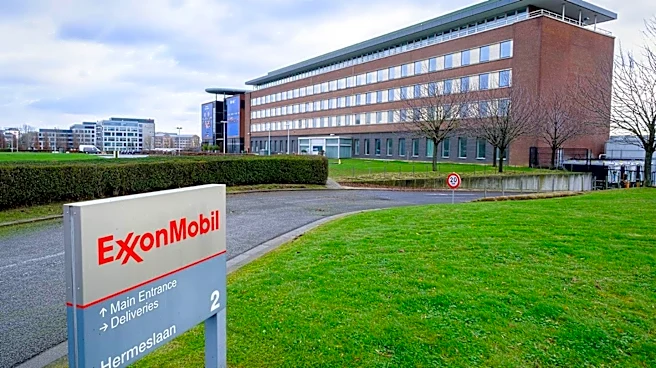
Middlesex County, New Jersey, has filed a lawsuit against several major oil and gas companies, including ExxonMobil, BP, Chevron, ConocoPhillips, Phillips 66, Shell, and the American Petroleum Institute. The county seeks to recover costs associated with
damages from escalating climate change impacts, such as worsening flooding and extreme weather events. This legal action follows similar climate deception lawsuits initiated by the state of New Jersey and the city of Hoboken. The lawsuit, filed in a New Jersey state court, alleges that the defendants engaged in decades of climate deception, which has exacerbated climate change effects, leading to significant financial burdens for the community. Middlesex County, the second most populous in New Jersey, has experienced over 60 significant flooding events in recent decades, resulting in more than $500 million in property damage. Three major storms—Irene, Sandy, and Ida—alone cost the county government nearly $200 million in damages and related expenses. The county also reports an increase in extreme heat days and experienced the worst air quality readings in New Jersey's history this past summer due to smoke from Canadian wildfires. The complaint includes claims of nuisance, trespass, negligence, and violations of New Jersey’s Consumer Fraud Act.
Why It's Important?
This lawsuit is significant as it represents another instance of a local government seeking to hold fossil fuel companies accountable for the financial costs of climate change. The outcome could set a precedent for how communities nationwide address the economic burdens imposed by climate-related disasters. If Middlesex County succeeds, it could encourage more cities and counties to pursue similar legal avenues, potentially shifting the financial responsibility for climate adaptation from taxpayers to the energy industry. Conversely, a ruling against the county could deter future lawsuits and leave communities to bear the full cost of climate impacts. The case also highlights the ongoing debate about where climate policy should be determined—in courts or through legislative action. The American Petroleum Institute has labeled the lawsuit as 'baseless,' arguing that climate policy belongs in Congress, not in a 'patchwork of courtrooms.' This legal battle underscores the growing tension between environmental accountability and industrial interests, with significant implications for both public finance and corporate liability in the context of a changing climate.
What's Next?
The lawsuit's progression will be significantly influenced by an upcoming U.S. Supreme Court hearing in the Suncor v. Boulder case. This case, involving state tort claims against oil companies, could determine whether federal law preempts such claims. A broad ruling in favor of Suncor could effectively invalidate dozens of similar climate-deception lawsuits across the nation, including Middlesex County's. County officials have stated they are positioning themselves to advance quickly once the Supreme Court makes its decision. If the Supreme Court rules in a way that allows these types of lawsuits to proceed, Middlesex County's case will likely move forward through the New Jersey state court system, potentially leading to a lengthy legal battle involving discovery, expert testimony, and appeals. Conversely, an unfavorable Supreme Court ruling could lead to the dismissal of the county's lawsuit. Regardless of the immediate legal outcome, the case is expected to continue fueling public discourse on corporate responsibility for climate change and the role of the judiciary in addressing environmental damages.
Beyond the Headlines
The Middlesex County lawsuit delves into deeper implications beyond immediate financial recovery, touching upon ethical and legal dimensions of corporate responsibility and public trust. The core of the county's argument rests on allegations of 'climate deception,' suggesting that major oil companies were aware of the catastrophic potential of unchecked fossil fuel use decades ago but concealed this information to protect profits. This raises fundamental questions about corporate ethics and the long-term societal impact of prioritizing short-term gains over environmental stewardship. If proven, such deception could erode public trust in large corporations and potentially lead to increased regulatory scrutiny and demands for greater transparency in industries with significant environmental footprints. The case also highlights the disproportionate burden placed on local communities to adapt to climate change, often without adequate resources. It underscores a potential shift in legal strategy, moving beyond traditional environmental regulations to hold companies directly liable for the consequences of their historical actions and alleged misinformation campaigns. This could trigger a broader re-evaluation of corporate accountability frameworks and the legal avenues available to communities facing climate-related damages.