






What's Happening?
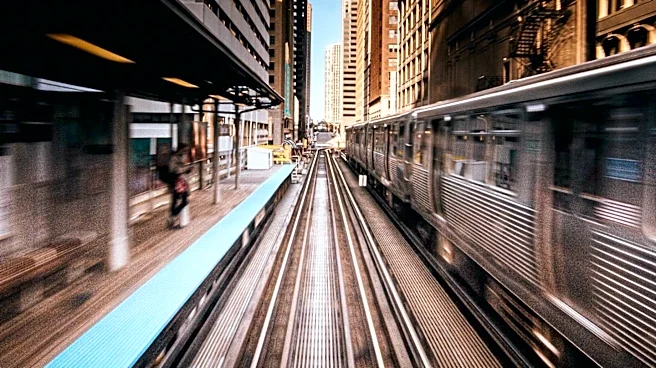
Starting August 1, Chicago's sales tax will increase to 10.5%, one of the highest rates among major U.S. cities. This increase is part of a legislative package aimed at bailing out northern Illinois' transit systems, which are facing financial challenges.
The sales tax hike is expected to generate significant revenue to support transit operations but has raised concerns about the financial burden on consumers. The increase comes amid ongoing discussions about the need for fiscal reform and efficient management of public resources.
Why It's Important?
The sales tax increase highlights the financial pressures facing public transit systems and the broader implications for taxpayers. While the additional revenue is intended to support essential transit services, it raises questions about the sustainability of relying on tax hikes to address budget deficits. The decision may impact consumer behavior, with potential shifts in spending patterns and increased cross-border shopping in lower-tax areas. The situation underscores the need for comprehensive fiscal reform and efficient management of public resources to ensure long-term sustainability.
What's Next?
The impact of the sales tax increase will be closely monitored, with potential implications for consumer behavior and local businesses. The effectiveness of the transit bailout in addressing financial challenges will be evaluated, with ongoing discussions about the need for reform and sustainable funding models. Policymakers may face pressure to explore alternative revenue sources and cost-saving measures to reduce the reliance on tax increases. The situation may also prompt broader debates about the role of public transit in urban development and economic growth.