




What's Happening?
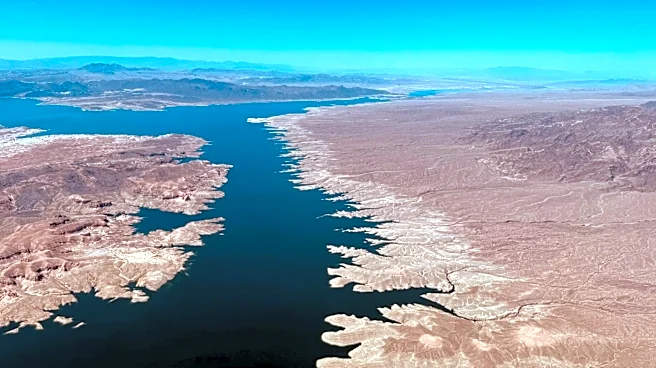
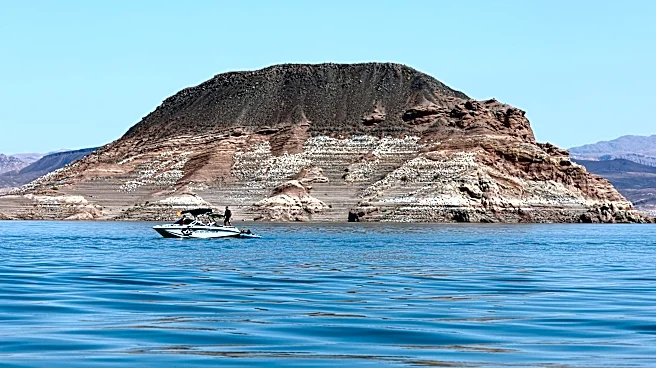
The Bureau of Reclamation has published the Final Environmental Impact Statement (EIS) for the future management of Lake Powell and Lake Mead. This document outlines a preferred adaptive decision framework to guide the development of operating guidelines
for the Colorado River Basin over the next decade, through 2036. The framework aims to ensure reliable operations while allowing flexibility to adapt to changing hydrologic conditions. It includes operational sideboards, which are key thresholds and ranges for operational elements, to ensure environmental compliance and responsiveness to actual conditions. The EIS is the result of a three-year process involving extensive stakeholder engagement, and it addresses only domestic river operations, with a separate process for water deliveries to Mexico nearing completion.
Why It's Important?
The Colorado River is a critical water source for over 40 million people across seven U.S. states, 30 tribes, and two Mexican states. It supports 5.5 million acres of farmland and is vital for hydropower resources. The new framework is crucial as it addresses the challenges posed by prolonged drought conditions and the potential for significant impacts on water users. The decision to establish flexible yet predictable guidelines is essential for managing the river's resources sustainably, ensuring water availability, and protecting ecosystems. The framework's adaptability is particularly important given the unprecedented hydrologic conditions and the need for consensus-based solutions among Basin States.
What's Next?
The Department of the Interior will issue operating guidelines within the established sideboards at anticipated two-year intervals, unless longer durations are agreed upon. This approach provides a structured decision-making process while allowing for adjustments based on hydrologic conditions. The Department is also committed to ongoing collaboration with Mexico regarding post-2026 operations and the implementation of the 1944 Water Treaty. The continued engagement with stakeholders will be crucial in refining and updating the guidelines to address future challenges and opportunities for innovative water management solutions.