







What's Happening?
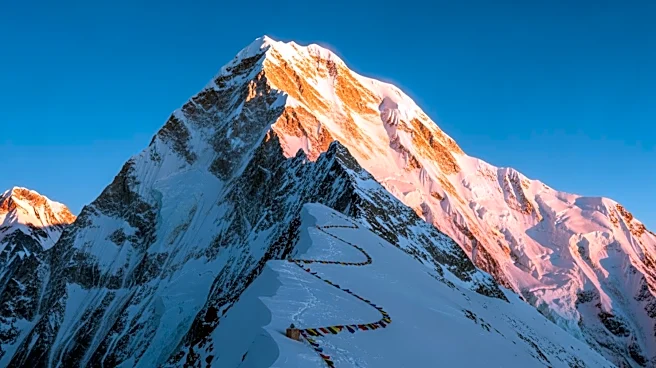
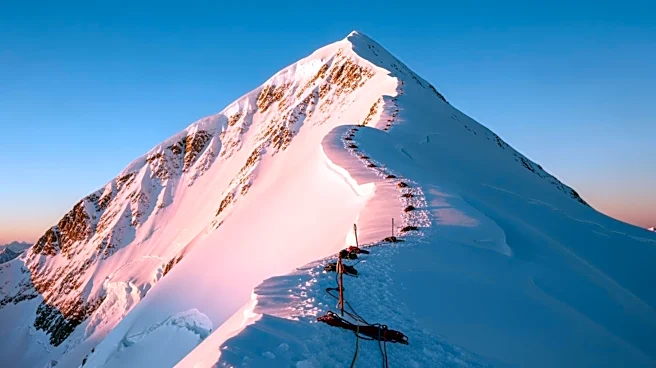
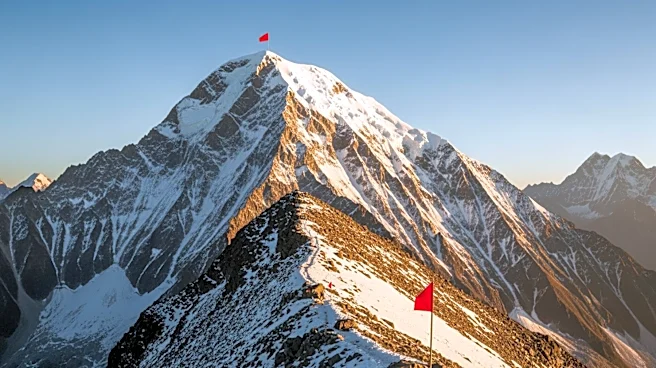
Kami Rita Sherpa, a renowned mountain guide who recently completed his 32nd ascent of Mount Everest, has urged Nepalese authorities to impose limits on the number of climbers allowed on the summit. This season has seen a significant increase in climbers from
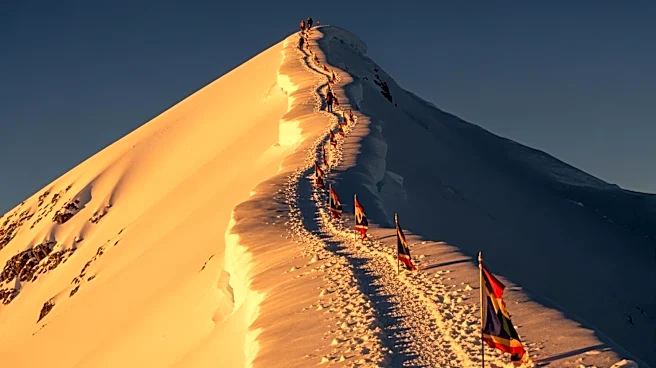
the Nepalese side due to the closure of the route from Tibet by China. On a single day, 274 climbers reached the summit, marking the highest number from the Nepal side. A total of 494 climbers have been issued permits, each accompanied by a Sherpa guide. The overcrowding has raised concerns about safety, as climbers face increased risks of traffic jams and prolonged exposure to harsh weather conditions.
Why It's Important?
The call for limiting climbers on Mount Everest highlights the ongoing challenges of managing one of the world's most popular climbing destinations. Overcrowding not only poses safety risks to climbers but also raises environmental concerns. The increased number of climbers can lead to more waste and environmental degradation on the mountain. Additionally, the safety of climbers is compromised as they spend more time in dangerous conditions, increasing the likelihood of accidents. The situation underscores the need for sustainable tourism practices and better management of natural resources to ensure the safety and preservation of iconic landmarks like Mount Everest.
What's Next?
If authorities heed Kami Rita's call, they may implement stricter regulations on the number of climbing permits issued each season. This could involve setting a cap on the number of climbers allowed on the mountain at any given time. Such measures would require coordination with local and international climbing organizations to ensure compliance and safety. The decision could also prompt discussions on how to balance tourism with environmental conservation and safety. Stakeholders, including the Nepalese government, climbing agencies, and environmental groups, may need to collaborate to develop a comprehensive strategy for managing Everest's climbing seasons.