




What's Happening?
The U.S. Customs and Border Protection (CBP) has decided to halt plans for constructing a border wall in Big Bend National Park following bipartisan opposition. CBP Commissioner Rodney Scott announced that the Trump administration would not proceed with
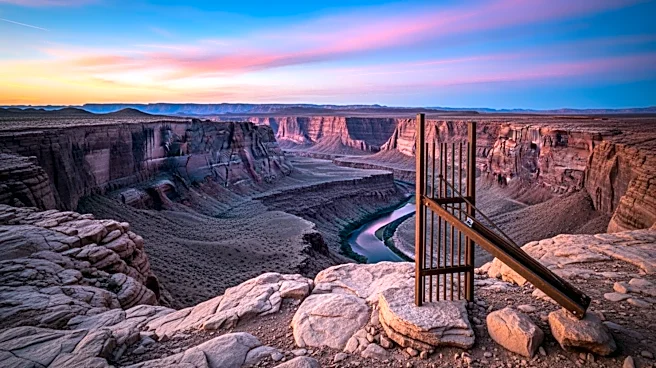
the wall in the park, citing the impracticality of building on the rugged terrain. Instead, the agency plans to enhance border security through surveillance technology and infrastructure upgrades. The decision comes after local residents and political leaders from both parties expressed concerns about the environmental impact and necessity of the wall in the area.
Why It's Important?
The decision to halt the border wall construction in Big Bend National Park reflects the influence of public and political opposition on federal projects. The move highlights the importance of environmental considerations and community input in government decision-making. The use of surveillance technology as an alternative to physical barriers may set a precedent for future border security strategies. The situation underscores the ongoing debate over border security and immigration policy in the U.S., with implications for federal spending and resource allocation.
What's Next?
CBP plans to implement surveillance technology and infrastructure improvements in place of the wall. The agency's approach may serve as a model for balancing security needs with environmental and community concerns. Ongoing discussions about border security and immigration policy are expected to continue, with potential legislative and policy developments. The decision may influence future infrastructure projects and the role of technology in national security.