





What's Happening?
The William J. Clinton Presidential Center in Little Rock, Arkansas, serves as a comprehensive archive of the 42nd President's eight years in office, from 1993 to 2001. The center showcases significant legislative achievements and historical events during
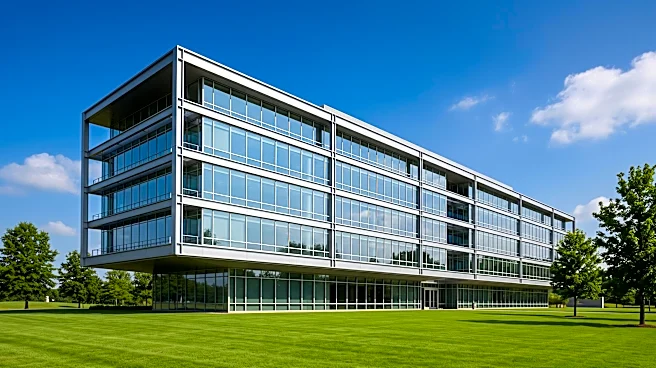
his presidency, including the signing of the Family Medical Leave Act in 1993, which mandated job-protected unpaid leave for family and medical emergencies. Other notable accomplishments include the passage of The Brady Bill, a handgun violence protection act, the Oslo Accords, and the Good Friday Agreement, which brought peace to Northern Ireland. The center also acknowledges controversial milestones such as welfare reform, NAFTA, 'Don't Ask Don't Tell,' and the impeachment proceedings. The facility, a five-story steel-frame and glass building, is LEED Platinum certified and houses 78 million pages of official records, 20 million emails, and 2.6 million photographs.
Why It's Important?
The William J. Clinton Presidential Center is important as it provides a historical record and educational resource for understanding a pivotal period in U.S. history. The legislative actions taken during President Clinton's tenure, such as the Family Medical Leave Act, continue to impact American families and workplaces. The center's documentation of international diplomacy, including the Oslo Accords and the Good Friday Agreement, highlights the U.S.'s role in global peace efforts. By preserving these records, the center allows researchers and the public to analyze the complexities of presidential decision-making and its long-term consequences. The center's commitment to public service education through the Clinton School of Public Service (now the Arkansas office of the Clinton Foundation) also underscores the ongoing effort to inspire future generations to engage in civic leadership and social change.
What's Next?
The William J. Clinton Presidential Center will continue to serve as a vital institution for historical research and public education. Its ongoing efforts to preserve and make accessible the vast collection of documents, emails, and photographs will ensure that future generations can study President Clinton's presidency in detail. The center's role in fostering public service through its associated programs and initiatives will likely continue to inspire individuals to pursue careers in government and non-profit sectors. As historical perspectives evolve, the center will remain a key site for re-evaluating and understanding the impact of President Clinton's policies and leadership on American society and international relations. Visitors from around the world will continue to engage with the exhibits, contributing to a broader understanding of this era.
Beyond the Headlines
Beyond the direct historical accounts, the William J. Clinton Presidential Center implicitly explores the evolving nature of the American presidency and the challenges of leadership. The inclusion of both celebrated achievements and controversial moments, such as the impeachment, offers a nuanced view of the pressures and complexities faced by a president. The center's architectural design, symbolizing a 'bridge to the 21st century,' reflects a forward-looking vision that characterized President Clinton's political philosophy. Furthermore, the transformation of a 'brownfield' site into a LEED Platinum certified urban park demonstrates a commitment to environmental sustainability, showcasing how historical preservation can align with modern ecological values. This blend of historical narrative, architectural symbolism, and environmental consciousness provides a rich context for understanding the broader cultural and political shifts of the late 20th century.