





What's Happening?
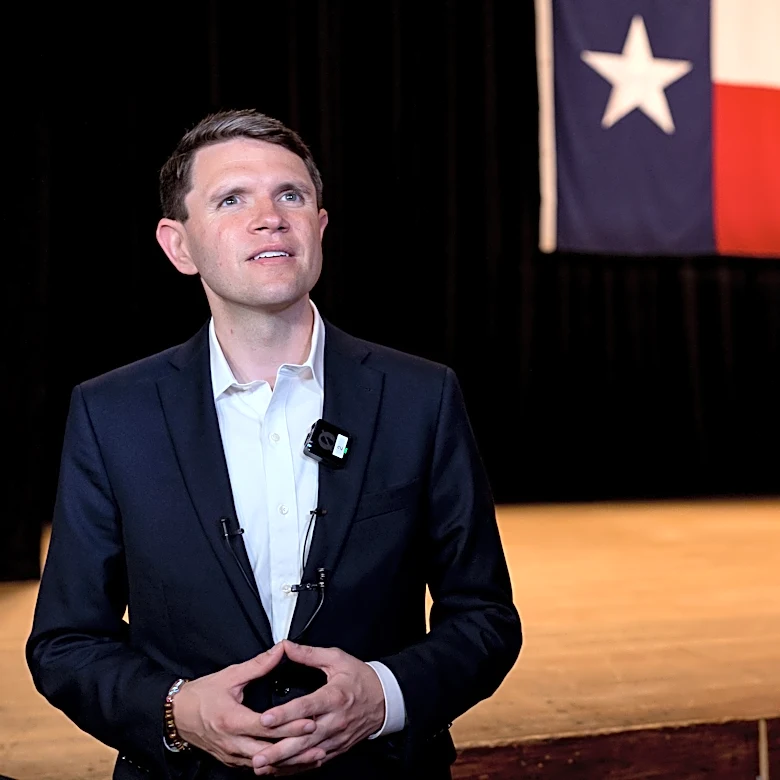
Congresswoman Dina Titus joined clean air advocates and local leaders in Las Vegas to rally for increased federal funding for electric vehicles (EVs), buses, and public transit. The event, held outside the RTC building, included representatives from the Sierra
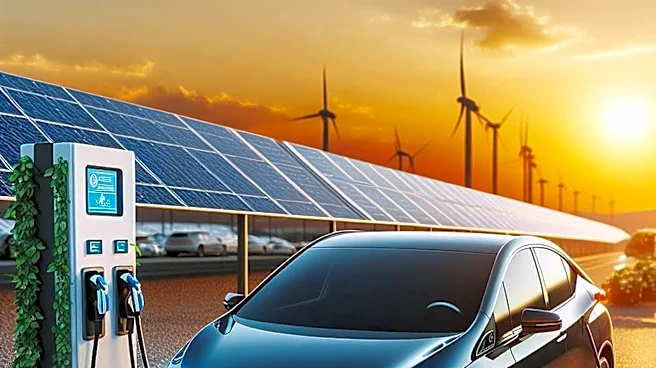
Club, Moms Clean Air Force, and Teamsters Nevada. Speakers highlighted that transportation is the largest source of U.S. greenhouse gas emissions and a significant household expense. Congresswoman Titus pointed to existing federal investments, such as millions for EV charging stations, the Maryland Parkway bus rapid transit project, and 32 electric school buses in the region. However, she expressed concern that new federal plans could lead to cuts in funding for charging infrastructure and public transit, which she believes are crucial for improving air quality and public health.
Why It's Important?
The push for federal funding in transportation electrification is critical for Southern Nevada's environmental health and economic well-being. Transportation accounts for approximately 29% of greenhouse gas emissions, making electrification a key strategy for achieving cleaner air and better public health outcomes. Reduced emissions directly benefit communities, particularly vulnerable populations like children with asthma, as highlighted by advocates at the rally. Furthermore, investments in public transit and electric vehicles can alleviate household transportation costs, providing economic relief to residents. Any reduction in federal funding could impede progress on these fronts, potentially leading to continued air pollution and increased financial burdens for families.
What's Next?
Advocates and Congresswoman Titus are urging Congress to protect and expand clean transportation funds in upcoming federal plans. The immediate future will involve continued lobbying efforts to ensure that new federal policies do not diminish existing commitments to EV charging stations and public transit. The outcome of these federal funding decisions will directly influence the pace of transportation modernization and electrification in Southern Nevada. Local leaders and community groups will likely continue to monitor legislative developments and advocate for policies that support sustainable transportation initiatives, emphasizing the long-term benefits for public health and the environment.
Beyond the Headlines
The debate over federal transportation funding extends beyond immediate environmental and economic impacts, touching upon broader policy directions regarding climate change and urban development. The emphasis on transportation electrification reflects a national and global shift towards sustainable practices, aiming to reduce reliance on fossil fuels and mitigate climate change. This initiative also highlights the intersection of environmental justice and public health, as communities disproportionately affected by air pollution stand to gain the most from cleaner transportation options. The potential for federal funding cuts underscores the ongoing political challenges in securing consistent support for climate-friendly infrastructure, even as the urgency of climate action grows.